
Canada War‑Games US Invasion Scenario Amid Rising Tensions
Prime Minister Mark Carney revealed last week that Canadian defence planners have drafted a contingency map for an American invasion – a plan most experts consider an exercise in risk management, not a realistic threat.
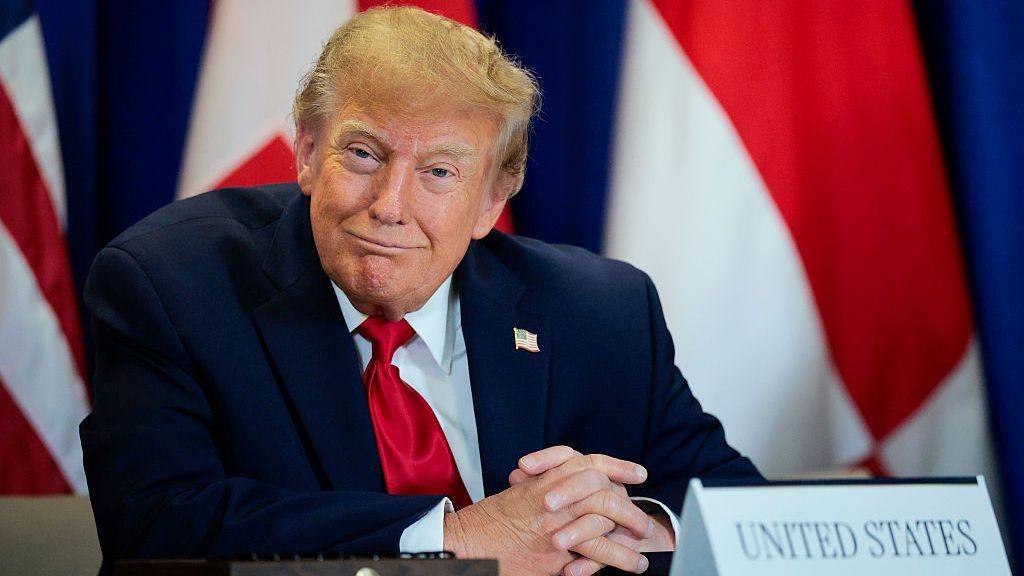
Carney told the New York Times that the risk of a US armed incursion is both low and unlikely, but “you have to consider every possibility” as the relationship with Washington continues to evolve under former President Donald Trump’s aggressive stance.
Trump’s repeated calls to make Canada the “51st state” and his tariff‑driven approach forced Ottawa to simulate a US attack in a series of wargames, part of a broader effort to prepare for the unthinkable.
Military analysts urge caution – the United States and Canada share NATO, NORAD, joint intelligence and an integrated defence posture that makes a conventional invasion practically impossible. Lt‑Gen Christopher Coates says any attack would likely start with cyber‑attacks or covert operations rather than boots on the ground.
Historical memory also fuels the mood. Canadian scholars remind readers that the nation was formed as loyal colonies to Britain during the American Revolution, survived a US incursion in 1775, and fought the War of 1812, both sides burning each other's capitals.
A recent Leger poll released after the US’s 2024 operation in Venezuela found that over 30% of Canadians think a US invasion is a possible scenario, illustrating growing unease.
Mathew Schmidt, a professor of national security, says preparing for such a worst‑case scenario underscores how dramatically global politics have shifted. He warns that while the U.S. might not openly consider invading Canada, economic leverage and cyber‑warfare could still pose significant threats.
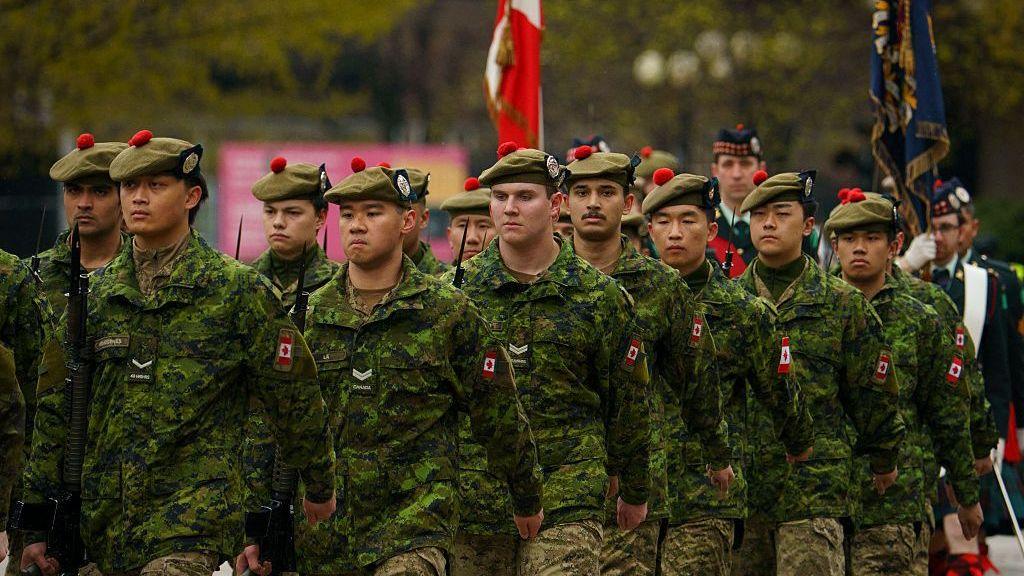
The Canadian government’s modelling suggests an American attack would overwhelm Canadian strategic positions within a week, forcing a shift to guerrilla tactics. Defence chiefs now call for a rapid boost to forces, including up to 300,000 lightly‑trained citizen soldiers, to close the capability gap.
Ultimately, the scenario remains improbable but real enough to divert resources and shape policy. As the U.S. focuses on resource extraction and political influence, Canada’s readiness points to a wider recalibration of its defence and diplomatic strategy.