
South Korea has announced that it will recall its ambassador to Ukraine, marking a sharp escalation in a diplomatic spat that began last month.
The flare‑up started when Ukrainian President Volodymyr Zelensky revealed that his government had transferred two captured North Korean soldiers to Seoul, a move that South Korea says violated a secret agreement to keep the transfer undisclosed.
Seoul argues that the transfer was conducted secretly because of concerns about the soldiers’ families, while Zelensky’s office maintains that there was no non‑disclosure agreement in place.
The two North Koreans, many of whom were part of a larger contingent supporting Russia in the Ukraine war, had previously told local media that they wished to be sent to South Korea.
In September, South Korean Vice Foreign Minister Park Yoon‑joo lodged a formal complaint with Ukrainian counterpart Andrii Vieshkin.
Earlier this week, Foreign Minister Cho Hyun said he had received an apology from Kyiv, but that it fell short of Seoul’s expectations.
However, on Wednesday Ukrainian Foreign Ministry spokesperson Heorhii Tykhyi reported that Minister Andrii Sybiha had not issued an apology, according to Ukrainian news source Liga.
On Thursday, South Korea’s Foreign Ministry said it would continue consultations with its Ukrainian counterpart while expecting that “various outstanding issues…would be resolved smoothly”.
Zelensky first disclosed the transfer at his UN General Assembly speech in September, noting the two North Koreans were not “easy to capture alive”.
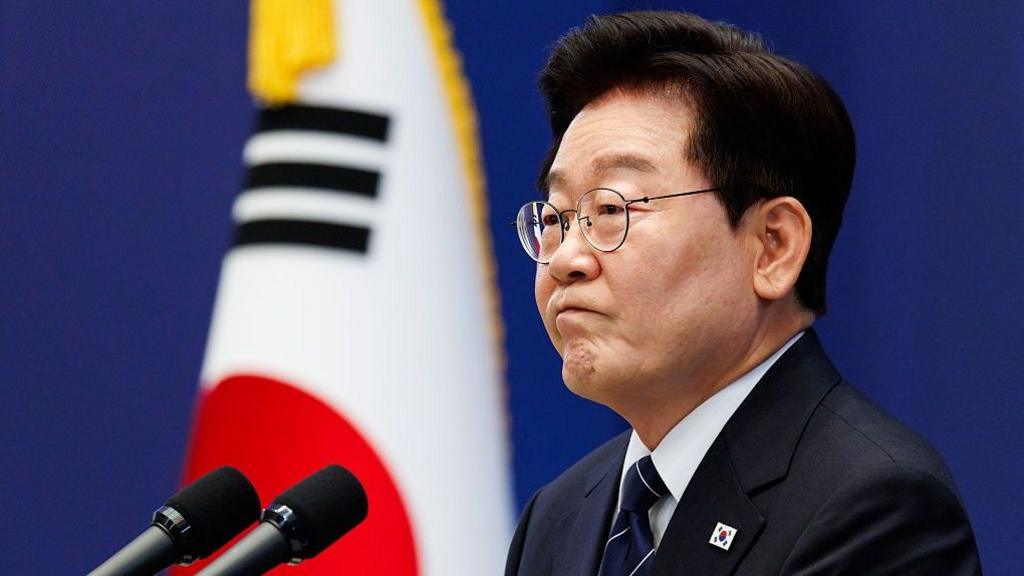
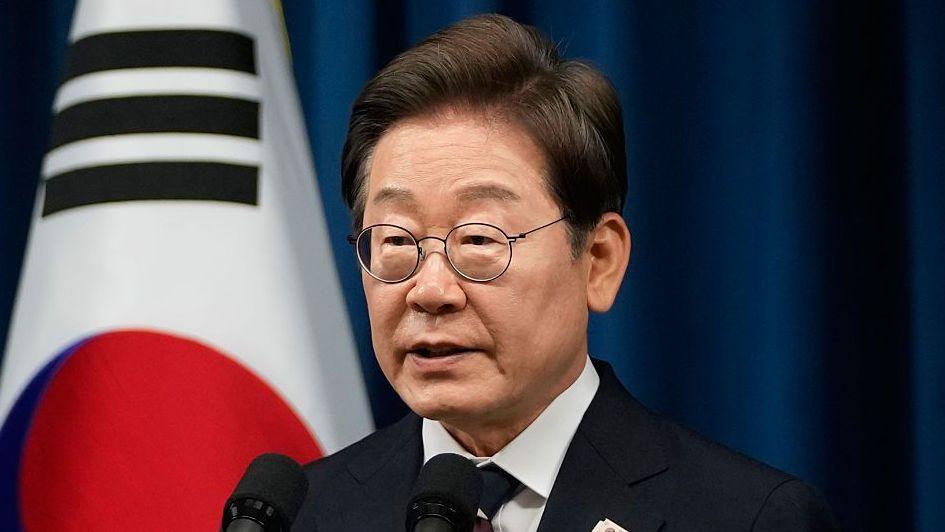
South Korean President Lee Jae Myung promptly condemned the transfer as “greatly disappointing” and called it a “highly sensitive issue” that threatened national security.
Lee faced criticism at home, with opposition figures accusing him of covering up the transfer to appease Pyongyang, though his office argued Seoul kept the matter confidential to protect the soldiers’ families and avoid criticism that Ukraine had forfeited an opportunity to exchange them for Ukrainian POWs.
Lee’s office explained that Ukraine had stated the soldiers would be referenced in Zelensky’s address, but not the fact of the transfer.
The spat intensified when Zelensky’s office insisted there was no non‑disclosure agreement, prompting Seoul to demand an apology for what it called a “falsehood” that damaged bilateral trust.
Seoul has been supportive of Ukraine since Russia’s full‑scale invasion but has maintained a policy of providing only non‑lethal aid to avoid conflict with Russia.
Following the deployment of North Korean troops to Russia in 2024, Kyiv urged Seoul to supply advanced anti‑air missiles to defend Ukraine’s energy infrastructure from Russian drone and missile attacks.
In July, Riyad announced a $100 million assistance package for Ukraine, expanding earlier non‑lethal aid that included helmets, personal armour and medical equipment.
Russia’s foreign ministry warned it would have “no choice but to retaliate” if Seoul supplied Ukraine with offensive arms, though it did not specify potential actions.
South Korea has historically pursued cordial ties with neighbours that may be at odds with its ally the United States, deepening trade and diplomatic relations with Russia and viewing Moscow and Beijing as key partners to influence Pyongyang.