In brief
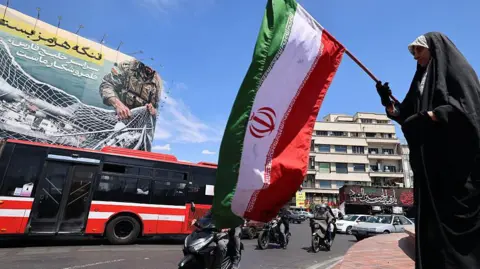
Following failed diplomatic negotiations with Iran, President Donald Trump announced on social media that the US would implement a naval blockade against Iran, stating that no one would have safe passage on the high seas if they paid illegal tolls. This move has raised significant concerns about the potential impact on international shipping, oil prices, and the stability within the region as various reactions unfold from lawmakers and global leaders.
After a diplomatic team led by Vice-President JD Vance attempted but failed to broker peace with Iran, President Donald Trump took to social media to announce a series of threats including a potential naval blockade in the Strait of Hormuz.
In his posts on Truth Social, Trump asserted that the US would not allow safe passage to any vessels that paid illegal tolls to Iran, while also affirming the intention to clear mines from the critical waterway to facilitate the flow of allied shipping.
The backdrop of these developments is a failure to persuade Iran to relinquish its nuclear ambitions during extensive talks over the weekend. Trump's recent rhetoric, while less incendiary than previous threats, introduces new complications for US military strategy and international relations, particularly regarding the safety of commercial ships and rising oil prices.
Lawmakers have expressed concerns regarding the implications of the blockade. Questions loom over how the US plans to enforce this blockade, particularly regarding foreign ships, and the potential repercussions for countries reliant on Iranian oil. Even Republican figures have raised doubts about the effectiveness of such a blockade in compelling Iran to negotiate more favorably.
While Trump remains optimistic about a favorable outcome and the resilience of the US economy amidst potential hikes in oil prices, critics highlight the gamble involved in escalating tensions further. As he attended a UFC event in Miami over the weekend, the ambiguity of his strategy regarding Iran continues to raise eyebrows among political analysts observing the intricate geopolitics at play.