In brief
President Trump recently signed an order reclassifying state-licensed medical marijuana as a Schedule III substance, which denotes it as less dangerous. This change provides significant tax breaks and allows for easier research into cannabis. While the move is celebrated as a major step forward for the cannabis industry, it is not without controversy, with some health experts still raising concerns about the implications of this shift and others advocating for full legalization.
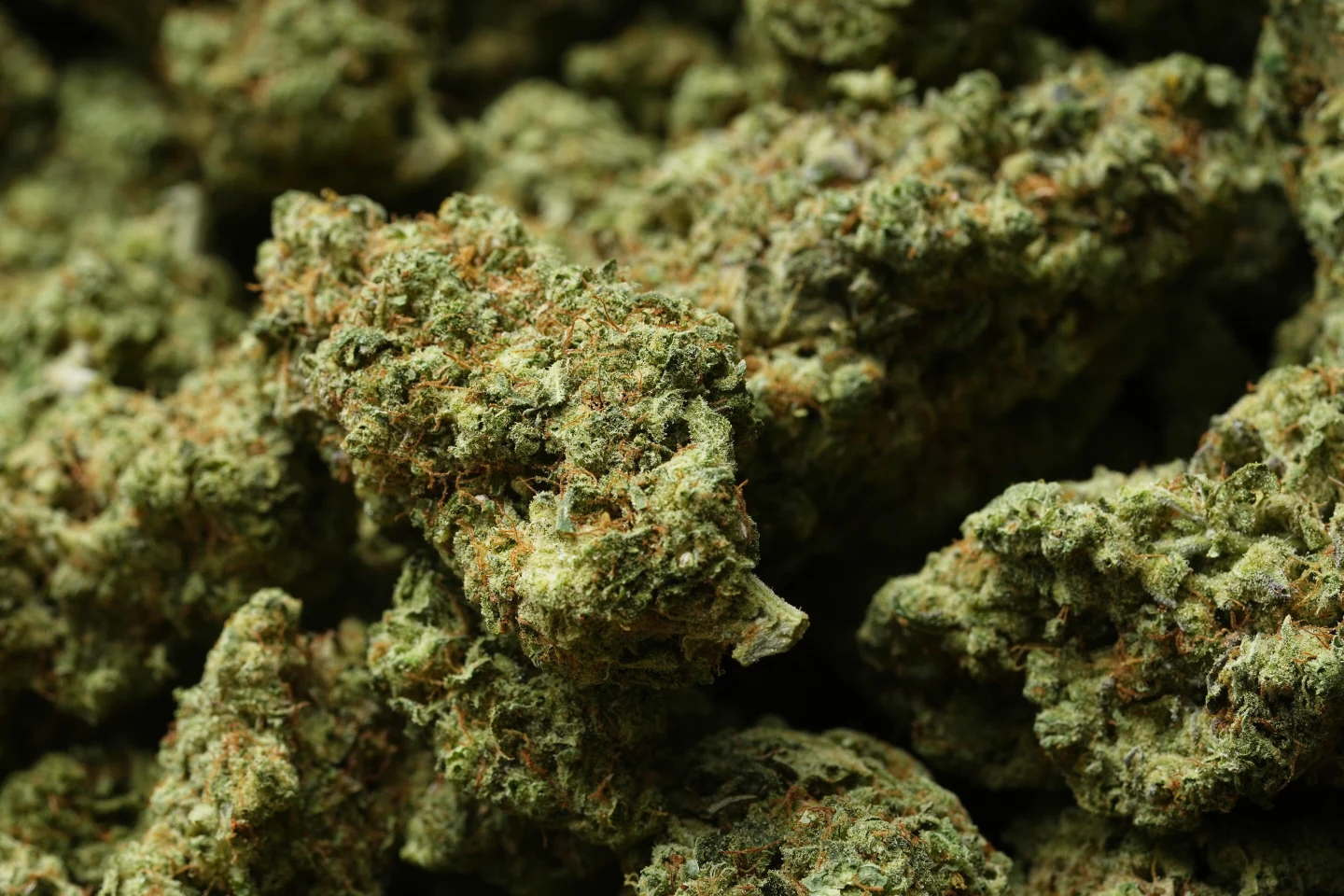
SEATTLE — President Donald Trump has made a groundbreaking decision to reclassify state-licensed medical marijuana from Schedule I to Schedule III. This reclassification reduces its status as a dangerous drug and opens the doors for various benefits for the cannabis industry, such as tax deductions and research opportunities, with potential for international export.
The reclassification marks a significant shift for a U.S. government historically against marijuana, with most states now recognizing some form of cannabis legality. While this order does not legalize marijuana federally, it does change the regulatory landscape for medical marijuana, suggesting a move towards broader acceptance in the future.
As Boston cannabis attorney Jesse Alderman notes, this is a clear indication of the current administration's intent to advance cannabis reforms. Despite the positive reception by many in the industry, the change may face legal challenges as critics voice concerns over the implications of such reclassification.
Transitioning Landscape
Historically, the U.S. has prioritized prohibiting cannabis, yet states have increasingly legalized its use for medical and recreational purposes. Today, two dozen states and Washington, D.C., allow recreational use, generating billions in tax revenue. This latest decision appears to reflect a long-awaited acknowledgment of cannabis’s medical value.
However, the reclassification isn't free from dispute. Experts highlight potential risks associated with stronger cannabis products entering the market and stress the need for more research to understand these dynamics better. Moreover, there’s a perception that moving marijuana to Schedule III could diminish the perceived risks of cannabis use, exacerbating potential addiction issues.
Confusion also arises in states where dispensaries serve both medical and recreational markets, complicating tax deductions for operators. As the cannabis landscape continues to evolve, many anticipate further legislative adjustments on both state and federal levels that may redefine marijuana's legal status.
Future Implications
While this reclassification signifies a major leap in cannabis policy, proponents of marijuana legalization are pushing for wider reforms that address societal impacts, particularly in communities disproportionately affected by past prohibition policies. The American Trade Association for Cannabis and Hemp lauds this order as the most significant advancement in cannabis policy in over five decades. Yet, as critics emerge, discussions around the need for comprehensive legalization continue.
Trump's administration is framing this as a pivotal move, with further actions anticipated as public and political opinions shift regarding cannabis use and regulation.