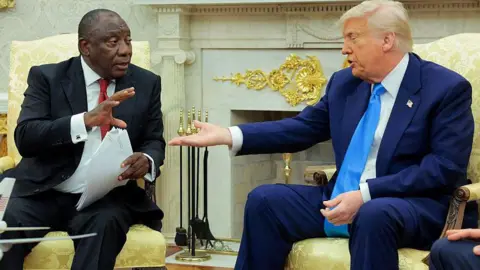
US President Donald Trump has stated he would accept a 20-year suspension by Iran of its nuclear program, in what appears to be a notable shift away from demands for an outright end to such activities. Trump specified that it must be a 'real 20 years,' contrasting his previous stance which called for a permanent cessation of uranium enrichment, a crucial step in weapon development.
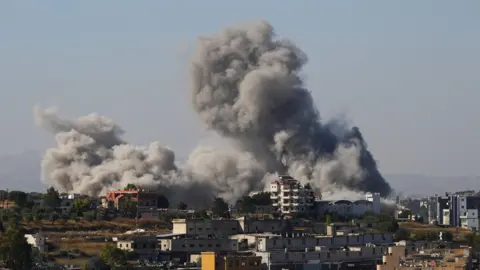
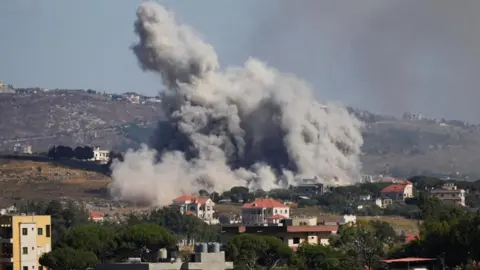
Despite this potential compromise, Trump expressed concern regarding the slow pace of negotiations, indicating that his patience with Iran is waning. His comments came shortly after a series of large-scale air strikes by Israeli and US forces against Iran, taking place against a backdrop of a fragile ceasefire supposed to enable talks.
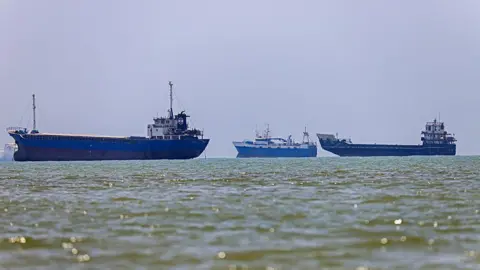
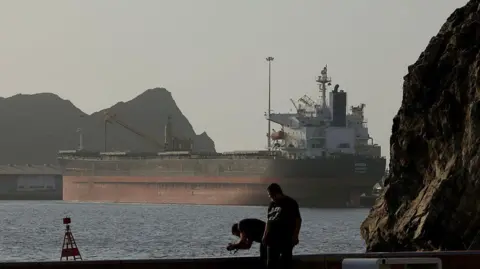
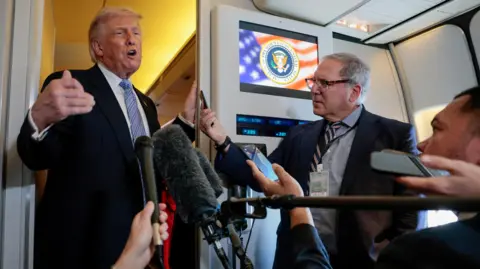
During a recent press conference aboard Air Force One returning from Beijing, Trump reiterated that Iran should not be allowed to possess nuclear weapons and must also relearn the Strait of Hormuz, vital for global oil shipments, currently blocked by Iran, causing a spike in oil prices.
When queried about the adequacy of a 20-year suspension, he confirmed, 'Twenty years is enough, but the level of guarantee from them has to be real,' without providing further specifics.
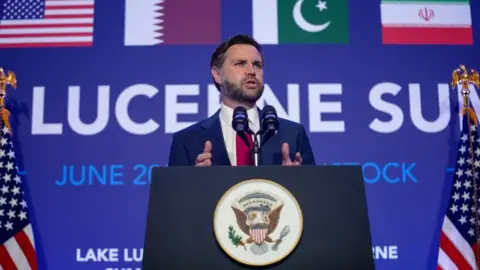
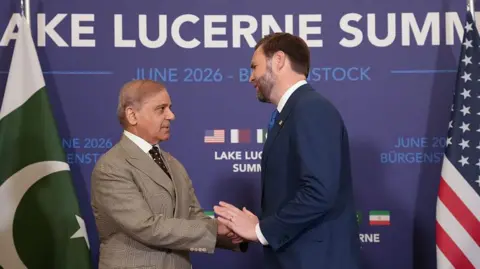
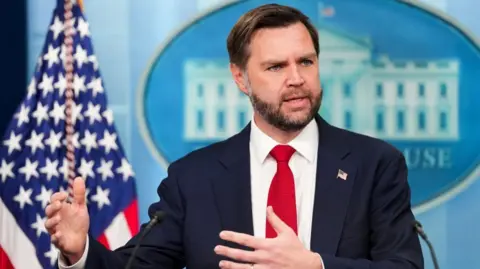
This 20-year timeframe is reportedly the first mention by Trump himself, although discussions about such durations reportedly occurred during talks involving US Vice President JD Vance earlier this year, where an Iranian proposal for a five-year halt was countered with demands for a minimum of two decades.
Previously, Trump criticized the 2015 nuclear deal for allowing restrictions on Iran to lapse, a decision supported by Israeli Prime Minister Benjamin Netanyahu, who has argued that Iran's enriched uranium stockpile must be eliminated before any peace is achieved.
As discussions continue, it remains to be seen how Iran will respond to this new proposition and what it means for the ongoing conflict and negotiation landscape.
Despite this potential compromise, Trump expressed concern regarding the slow pace of negotiations, indicating that his patience with Iran is waning. His comments came shortly after a series of large-scale air strikes by Israeli and US forces against Iran, taking place against a backdrop of a fragile ceasefire supposed to enable talks.
During a recent press conference aboard Air Force One returning from Beijing, Trump reiterated that Iran should not be allowed to possess nuclear weapons and must also relearn the Strait of Hormuz, vital for global oil shipments, currently blocked by Iran, causing a spike in oil prices.
When queried about the adequacy of a 20-year suspension, he confirmed, 'Twenty years is enough, but the level of guarantee from them has to be real,' without providing further specifics.
This 20-year timeframe is reportedly the first mention by Trump himself, although discussions about such durations reportedly occurred during talks involving US Vice President JD Vance earlier this year, where an Iranian proposal for a five-year halt was countered with demands for a minimum of two decades.
Previously, Trump criticized the 2015 nuclear deal for allowing restrictions on Iran to lapse, a decision supported by Israeli Prime Minister Benjamin Netanyahu, who has argued that Iran's enriched uranium stockpile must be eliminated before any peace is achieved.
As discussions continue, it remains to be seen how Iran will respond to this new proposition and what it means for the ongoing conflict and negotiation landscape.