In brief
While the focus of the November elections is primarily on Congress, state attorney general races are emerging as critical battlegrounds. In a growing trend, partisan groups and corporate donors have funneled millions into these elections, highlighting the increasing significance of the attorney general role in national policy. With 30 seats contested this year and several incumbents eyeing higher office, both Republican and Democratic organizations are ramping up their campaigns.
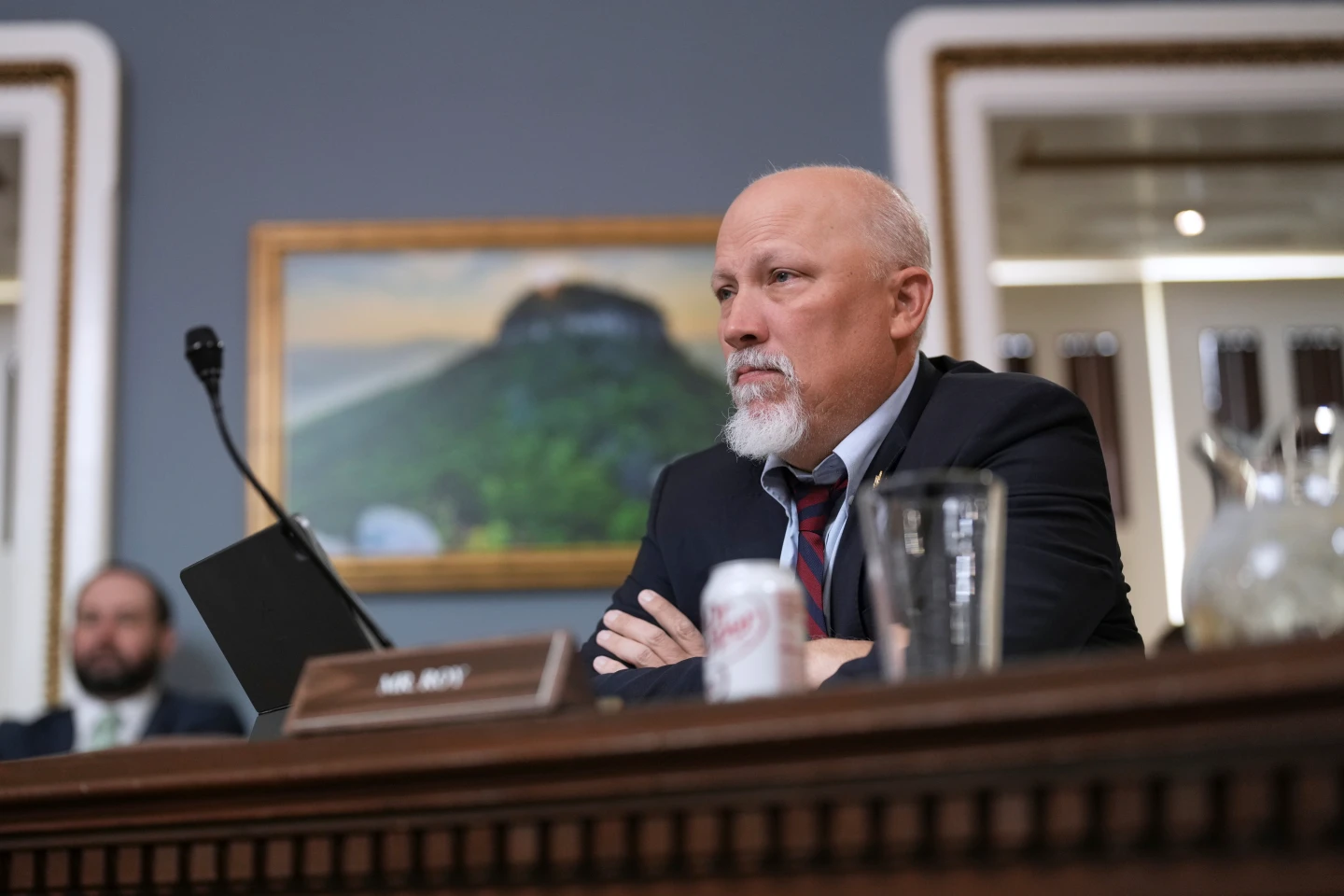
With control of Congress on the ballot in November, state attorney general races can often get overlooked. However, just outside the election spotlight, both partisan groups and corporate interests are intensifying their campaigns for these pivotal offices, which are playing an increasingly important role in American politics.Republican organizations dedicated to attorney general races revealed they raised a record $29 million last year, while their Democratic counterparts collected $28 million, marking a significant increase for this point in the election cycle. Around 30 attorney general seats are up for election this year, attracting interest from technology firms, tobacco companies, and other industries that could face legal scrutiny from these state legal officers.The office of attorney general has become more significant due to our reliance on lawsuits to address many issues, stated James Tierney, a former attorney general from Maine and a current educator on the subject.Among those with aspirations for higher office are at least six current attorneys general running for governor this year, and notable figures such as Kamala Harris—a former attorney general—have made their mark on presidential campaigns.Adam Piper, executive director of the Republican Attorneys General Association, explained the heightened interest from donors, emphasizing how the role has changed from an underdog position to one favored for raising substantial funding.Particular races are garnering special attention from both parties, notably in swing states where Democrats secured victories in the last cycle, including Arizona, Michigan, and Wisconsin, while Republicans are targeting gains in traditionally blue areas like Minnesota and New York.In Texas, the attorney general race has seen U.S. Rep. Chip Roy contesting alongside state Sen. Mayes Middleton, both vying to succeed current officeholder Ken Paxton. Amidst a backdrop of controversies, including past corruption charges, Paxton has emphasized aggressive legal actions while both challengers plan to curb what they perceive as overreach by the federal government.Democratic officials have spearheaded extensive lawsuits against previous administrations, notably filing over 80 lawsuits that reportedly resulted in favorable rulings, showcasing their commitment to uphold state interests. Arizona Attorney General Kris Mayes highlights that lawsuits against federal policies have saved her state $1.5 billion.Conversely, Republican candidates, such as Rodney Glassman, aim to pivot away from what they describe as politicized legal actions initiated by current leadership. The outcome of these races could have lasting implications for political dynamics at both state and federal levels. As voter engagement intensifies, the significance of the attorney general races is expected to escalate, reshaping the landscape of American politics.