In brief
The US Department of Justice has announced the reclassification of cannabis from Schedule I to Schedule III, making it less dangerous. This move allows for increased access and potential medical research into cannabis, in line with President Trump's initiative to expand treatment options. While marijuana remains illegal federally, over two-thirds of states have legalized its use. Critics argue that more comprehensive reform is necessary for effective regulation and access.
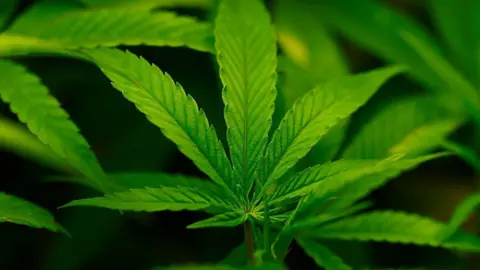
The US Department of Justice has officially reclassified cannabis as less dangerous, marking a major shift in the country's drug policy.
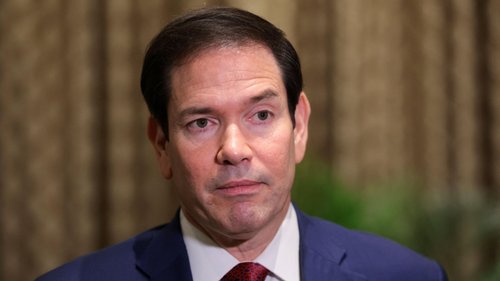
Acting Attorney General Todd Blanche announced the change on Thursday, moving products containing marijuana from a Schedule I narcotic, like heroin, to a Schedule III drug, akin to Tylenol with codeine. This reclassification will cover products regulated by the Food and Drug Administration or those with state medical-marijuana licenses.
Blanche also called for a hearing to consider reclassifying all marijuana, indicating a broader potential reform in current drug policy.
President Donald Trump had directed his administration last year to begin the reclassification process, focusing on increasing access to marijuana for medical purposes and fostering research into the drug’s effects and benefits.
Despite this significant reclassification, cannabis remains illegal at the federal level. Nonetheless, many US states have legalized marijuana for either medical or recreational use, with numerous dispensaries operating legally.
In light of the announcement, Blanche stated, The Department of Justice is delivering on President Trump's promise to expand Americans' access to medical treatment options. This rescheduling action allows for research on the safety and efficacy of this substance, ultimately providing patients with better care and doctors with more reliable information.
He has mandated a hearing in June as part of the regulatory process to further examine cannabis classification.
This new classification will take effect 30 days post-publication in the Federal Register, during which it could face legal challenges that may delay implementation.
This shift comes shortly after Trump signed an executive order aimed at expanding access to psychedelic drugs for medical treatments.
Since 1970, marijuana has been classified as a Schedule I controlled substance, indicating a high potential for abuse with no accepted medical use. Over the years, various states have relaxed these restrictions, starting with California, which legalized its use for medical purposes.
The Biden administration initiated a review of marijuana’s classification in 2022. Around a year later, the Department of Health recommended a change for the first time, prompting the Drug Enforcement Administration (DEA) in 2024 to request hearings, although these were postponed indefinitely.
While experts acknowledge that Trump’s reclassification is largely symbolic, significant public support for the legalization of cannabis remains, with over two-thirds of Americans favoring full legalization.
Advocates, like Morgan Fox from the National Organization for the Reform of Marijuana Laws (NORML), emphasize that while the reclassification opens new discussions, the ultimate goal should be the complete descheduling of cannabis at the federal level, creating uniform regulations across states.
Fox stated, Moving it out of that classification allows us to have policy conversations that don't start and end with that definition. Lots of policymakers continue to fall back on that, and really won't even discuss the issue as long as cannabis is Schedule I.
Organizations and campaigners continue to push for full legalization of cannabis, advocating for comprehensive reforms that would create a more uniform regulatory framework across the United States.