In brief
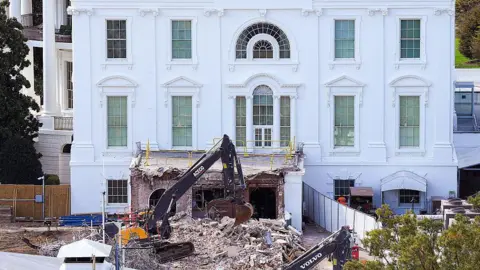
In a recent ruling, the US Court of Appeals for the District of Columbia has granted the Trump administration permission to resume construction of the White House ballroom, which had been halted by a lower court. The case will be revisited in June, focusing on national security concerns linked to the project.
Construction of the underground and above-ground sections of the White House ballroom can proceed following a ruling from the US Court of Appeals for the District of Columbia. This court issued an administrative stay after the Trump administration appealed a decision from US District Judge Richard Leon, who had previously blocked the project's construction on the grounds that proper procedures were not followed. The ruling is a significant win for the Trump administration as they seek to redesign a part of the historic structure, with a focus on national security implications.The judge's initial ruling temporarily halted all work back in March, stemming from a lawsuit filed by the National Trust for Historic Preservation, arguing that construction began without appropriate plans submitted to the National Capital Planning Commission and without congressional authorization.The ballroom is intended to hold up to 1,350 guests and is part of a broader project that involves significant restructuring of the White House complex, including purported facilities for national security and medical emergencies.Trump has expressed his discontent with the initial ruling, accusing the judge of trying to prevent future leaders from having necessary meeting spaces, stressing that the project is vital for safety and government operations. Meanwhile, the appeals court’s action allows for construction to resume pending further hearings set for June 5.