In brief
Thousands of survivors from the 2025 Eaton Fire in Altadena, California, who accepted settlements from the utility responsible for the blaze, may face significant tax burdens unless Congress acts. A recent bipartisan bill seeks to provide tax relief for wildfire-related compensations, which previously offered victims protection from being taxed on these funds. However, survivors have expressed concerns about how a potential tax will impact their recovery and eligibility for government benefits.
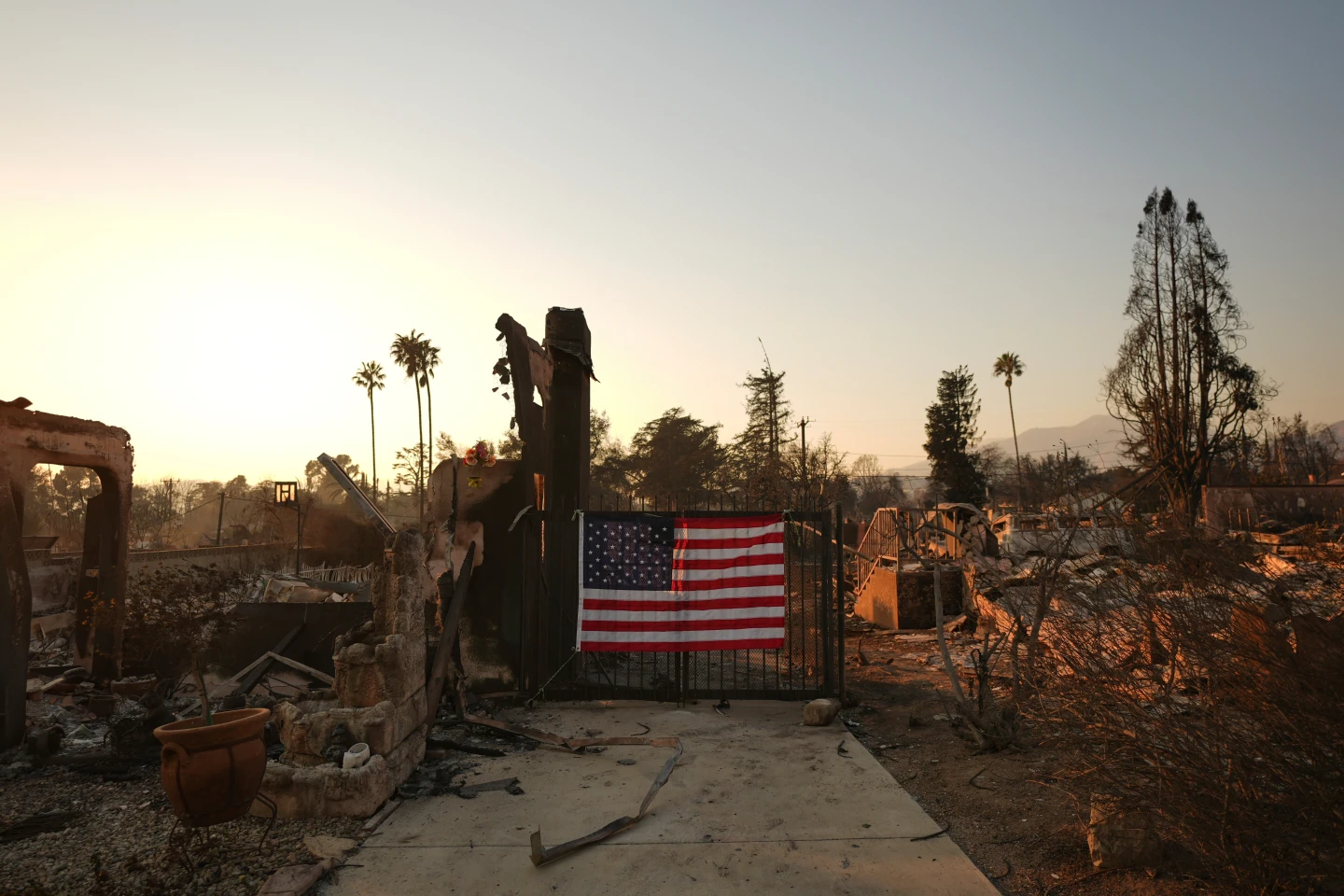
Survivors of the 2025 Eaton Fire in Altadena, California, who have opted for immediate settlements from the implicated utility company are now facing the startling prospect of these funds being taxed as income. This situation poses a significant financial strain as the survivors navigate the rebuilding or relocation process.
The recent legislation moving through Congress aims to prevent tax liabilities for such compensation, but without swift passage, survivors may suffer from reduced payouts that could quickly dwindle due to taxes. Bree Jensen from the Eaton Fire Long-Term Recovery Group emphasized the shock and disbelief many residents felt upon learning about the potential tax implications.
Compounding the issue, survivors engaged in ongoing litigation against the utility also fear losing government benefits if compensatory payments are taxed. Many of these survivors are already grappling with inflated rebuilding costs and mounting debts, with expectations that taxes could consume up to 37% of their compensation.
The bipartisan legislation to extend tax relief has made progress but its future remains uncertain, leaving many survivors in a precarious financial limbo. As construction costs soar, the compensation received from settlements has become a vital resource in the recovery process for affected communities.
Efforts to bring timely action to the table have included voices from various political sectors, highlighting the need for a broad approach to disaster tax relief, especially as more areas face challenges from climate-related catastrophes.
Amidst the uncertainty and anxiety, survivors simply wish for the ability to rebuild their lives without the added burden of taxes on their compensation. As utility settlements and disaster recovery efforts continue to evolve, the future of these survivors hangs in a critical balance.