SIOUX FALLS, S.D. (AP) — A recent change in Canadian citizenship law has made it significantly easier for millions of Americans to gain dual citizenship, leading many to investigate their Canadian ancestry.
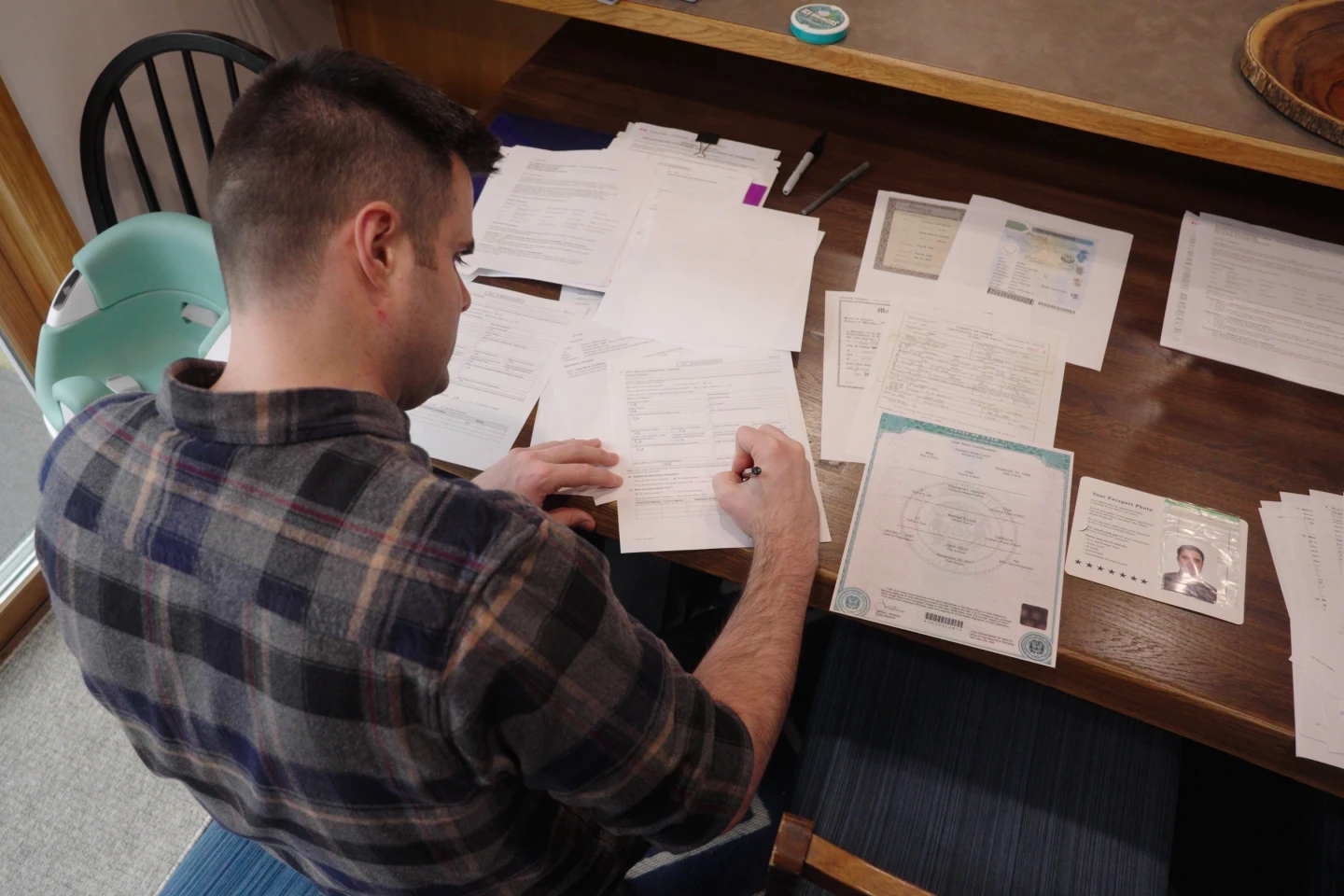
For individuals like Zack Loud of Farmington, Minnesota, this new law, which took effect on December 15, 2025, brings a startling revelation: he and his siblings are considered Canadian citizens based on their grandmother's citizenship.
My wife and I had been discussing job opportunities abroad, and this new path to citizenship puts Canada at the top of our options, Loud stated.
Legal experts report a surge in inquiries since the law's passage, as thousands of Americans seek to explore their eligibility for Canadian citizenship amid a complex political landscape. Nicholas Berning, an immigration attorney in Washington, mentions a significant increase in clientele as many seek assistance in navigating the new citizenship process. Fellow attorney Amandeep Hayer confirms the dramatic uptick, noting his daily consultations have skyrocketed.
Understanding the New Law
The Canadian bill C-3 allows for citizenship by descent to be extended beyond one generation, enabling applicants to claim citizenship if they can prove a direct lineage to a Canadian ancestor. This change seeks to rectify historical inequities in citizenship laws and enhance the benefits of Canadian citizenship.
Under the revised regulations, anyone born before December 15, 2025, can apply for citizenship if they can trace their ancestry to a Canadian, offering a newfound hope for those wishing to connect with their roots.
Motivations for Dual Citizenship
Americans are motivated to seek Canadian citizenship for various reasons, with many expressing concerns over the current political climate in the U.S. Michelle Cunha from Bedford, Massachusetts, cites years of activism and a desire for political escape as her reason for applying. Others, like Troy Hicks and Maureen Sullivan, have similar sentiments, seeing citizenship as a potential safety net.
Despite the relatively low costs associated with filing a proof of citizenship application, many are opting to use attorneys, resulting in increased legal fees for some. However, most individuals may navigate the process independently with online resources and community support.
Canadian Perspective
While many Canadians are welcoming of American applicants, there are mixed feelings toward individuals seen as 'citizens of convenience' who lack genuine ties to Canada. Fen Hampson, a professor of international affairs, warns of the potential impacts on the Canadian immigration system, particularly in regards to refugees and asylum-seekers who may be delayed by increased application volumes from American citizens seeking to claim their rights.
This new opportunity for Americans reflects a cultural shift and evolving perspective on citizenship and belonging as they navigate complicated socio-political landscapes.