In brief
The case of James Broadnax illustrates how rap lyrics can be introduced as evidence in murder trials, often playing into racial stereotypes. Critics argue this practice diminishes the artistic value of rap and unfairly biases jurors, predominantly white, against Black defendants. Research indicates a significant disparity in how creative expressions are treated in court, leading to calls for legislative changes to protect artists. High-profile cases, like that of Young Thug, further spotlight the ongoing challenges faced by artists when their work is thrust into legal battles.
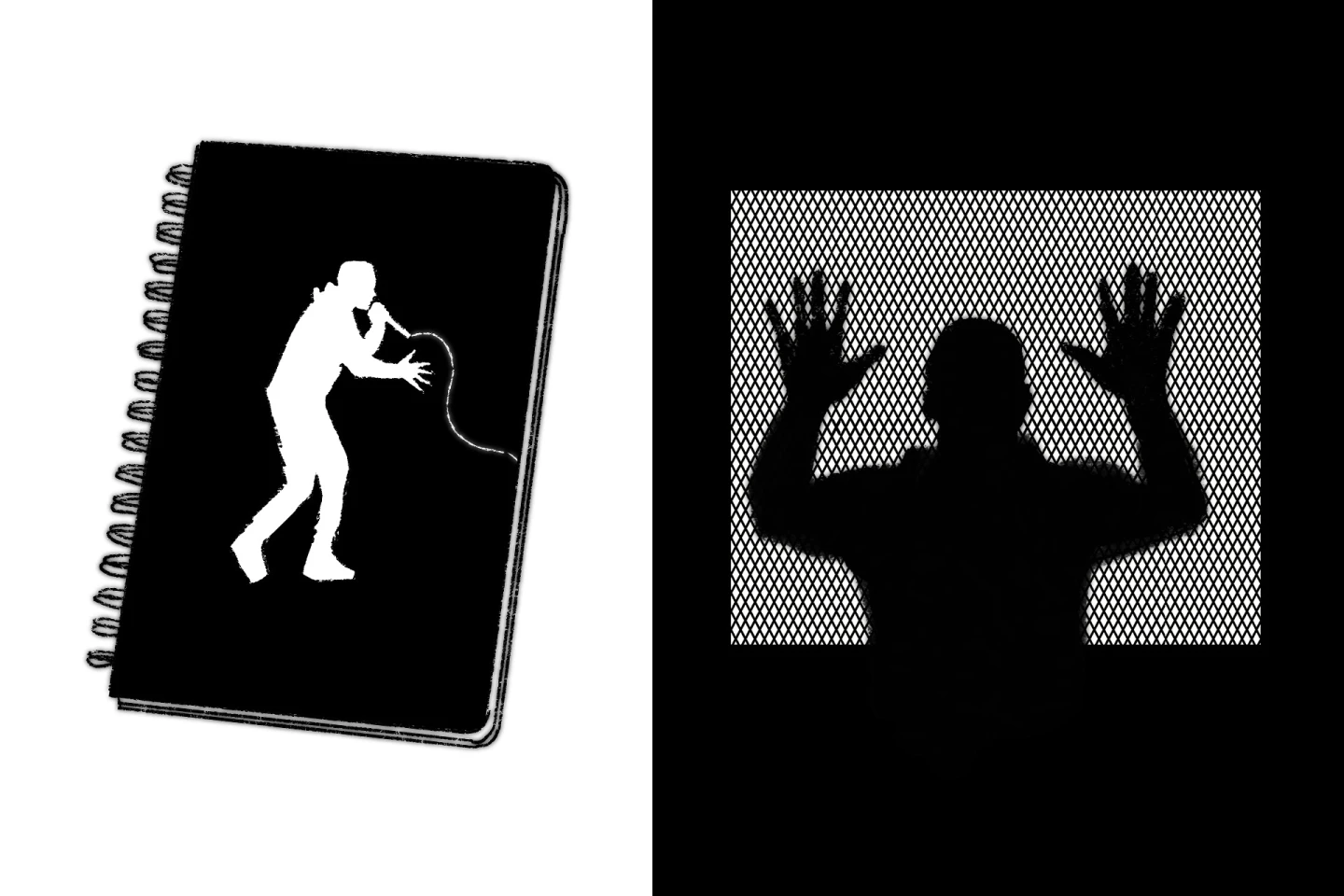
At just 19, James Broadnax penned rap lyrics and musings that later became central to his capital murder trial. Prosecutors selectively used his lyrics, highlighting references to violence to sway the predominantly white jury toward a death penalty verdict, despite his lawyers asserting that these reflections minimized his artistic expression and invoked racial biases.
Broadnax's case is not an isolated incident; rap lyrics have surfaced in contentious legal proceedings across many states. Critics, including Erik Nielson, co-author of 'Rap on Trial,' argue this practice unfairly targets Black male artists, presenting their work as literal autobiographical confessions rather than creative expressions filled with metaphor.
“This denies rap music the status of art," Nielson asserts. "Lyrics are often interpreted autobiographically, playing into stereotypes that such individuals lack sophistication," he says. This troubling trend pits creative expression against judicial interpretation, often leading to racial prejudice in courtrooms.
The significance of rap lyrics in racketeering and murder trials cannot be understated. Prosecutors regularly link lyrics to motives for alleged crimes, framing them as confessions, a strategy that can unduly influence juries. Broadnax's scheduled execution later this month has prompted calls for a re-evaluation of how lyrics are handled in court, with concerns of racial bias entwined in the legal narrative.
Broadnax's case, alongside the recent legal battles faced by artists like Young Thug, underscores a critical issue: the need for legislative measures to protect artistic expression from being used in legal contexts without proper scrutiny. Advocates argue for laws that would require a factual connection between artistic expressions and the alleged crimes, aiming to establish clearer guidelines that consider the substantial differences in artistic intent, particularly in genres like rap.
As debates continue around the admissibility and interpretation of rap lyrics in courts—a cultural reflection of race and justice—many artists have begun to assert the fictional nature of their works, seeking to protect their artistic integrity from being misconstrued as autobiographical accounts.