In brief
Alabama’s attempt to execute a death‑row inmate, Jeffrey Lee, with nitrogen gas was blocked by the U.S. Supreme Court today. Lower courts had already ruled the method likely violated the Constitution, and the Court’s brief dismissed the state’s emergency order. Justices Thomas, Alito and Gorsuch dissented, indicating they might have granted the request, but no explanation was provided. Lee has been on death row for two decades after a 1998 pawn‑shop robbery murder conviction. Alabama may seek other execution methods once the nitrogen approach is sealed off.
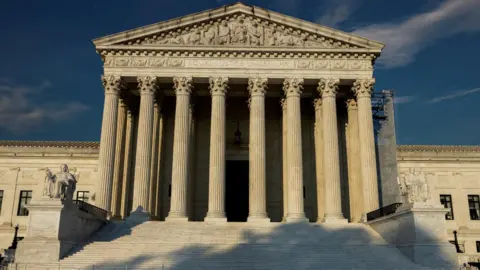
The U.S. Supreme Court denied an Alabama appeal to carry out the death penalty for Jeffrey Lee using nitrogen gas, ruling the request failed to provide a constitutional justification.
Lower courts had already barred the method, finding it likely constitutes cruel and unusual punishment under the U.S. Constitution.
Justices Thomas, Alito and Gorsuch dissented, indicating they would have granted the state’s request, but the Court’s brief did not offer a detailed explanation.
Alabama’s top prosecutor called the halted execution a miscarriage of justice for the victims’ families, who had awaited the final act of punishment.
Lee, convicted of two murders in a 1998 pawnshop robbery, has been on death row for more than two decades, and the state can pursue other execution methods.
The decision follows a federal judge’s ruling earlier this week that permanently banned the use of nitrogen hypoxia for executions.