In brief
The GOP currently controls the Supreme Court and many state legislatures, giving it a significant edge in redrawing congressional maps for the 2026 election. Democrats will need to overcome constitutional bans, court challenges, and the need for voter approval in several states to craft competitive ballots. A favorable midterm has succeeded the past (e.g., 2018 gains of 40 seats), but the 2028 election will be increasingly difficult as Republicans vie for a new majority and Democrats look toward a national ban on partisan gerrymandering.
Democrats are on deck to finish several seats behind Republicans in the 2026 congressional map‑redrawing race, according to recent reports. Even if they eventually catch up in the 2028 midterms, doing so will require navigating a series of barriers that are largely absent on the GOP side.
In states like Colorado, New Jersey, New York and Washington, redistricting commissions design maps that are meant to be neutral and non‑partisan. The Democratic parties would need the voters’ consent to override these independent bodies and replace their balanced maps with aggressively partisan ones—mirroring the moves Republicans made when, following Trump’s victory in the 2024 Presidential election, many Republican‑controlled states refined their congressional lines to keep a House majority.
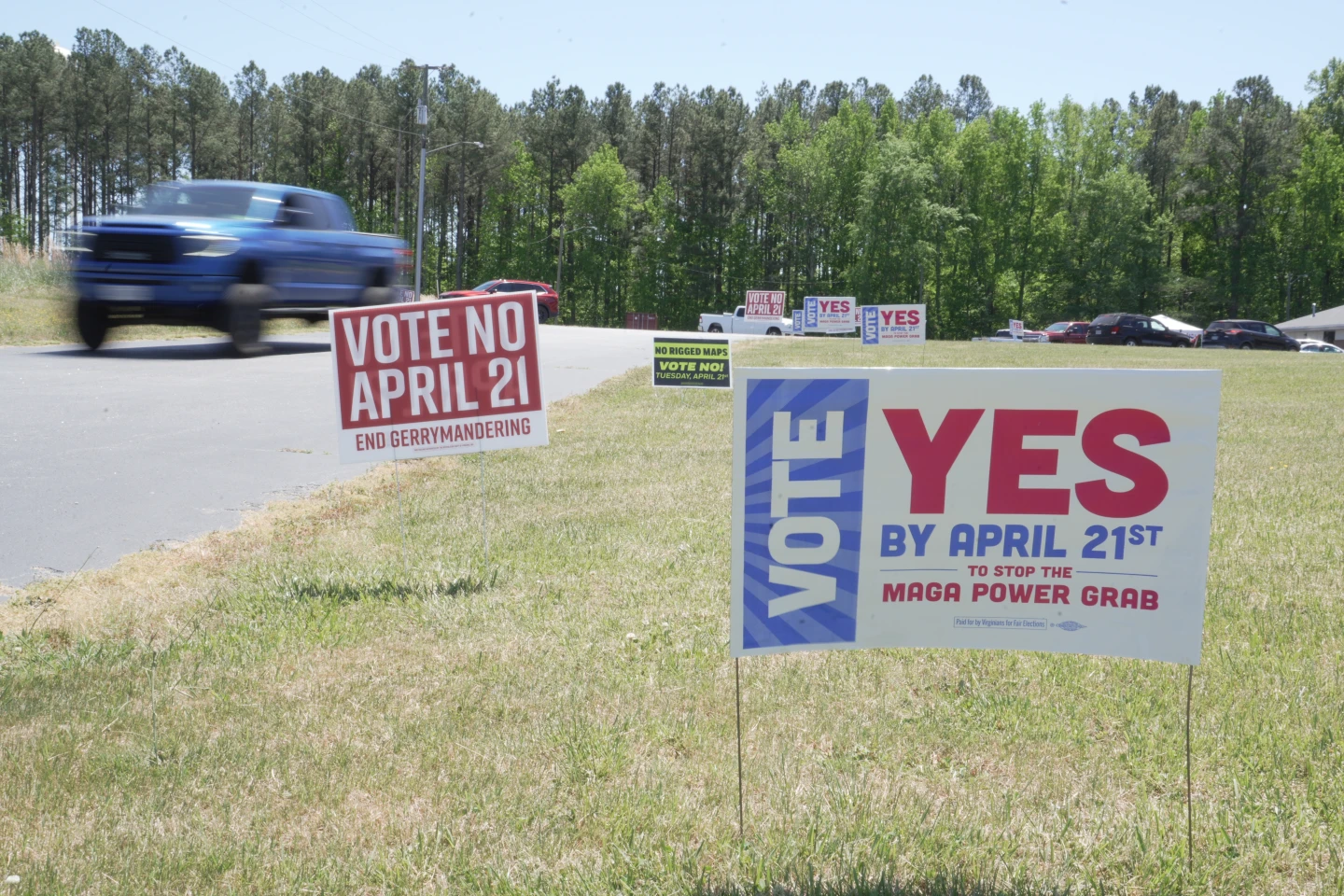
A mistake in the Democratic approach could lead to a court challenge: that has happened in Virginia, where a state Supreme Court invalidated a voter‑approved map that would have produced four more winnable Democratic districts. The Court cited procedural errors that allowed the measure to be placed on the ballot.
It’s expensive, unpopular, and a challenge for the party to do what they want, said Adam Kincaid, executive director of the National Republican Redistricting Trust.
While Democrats hold an advantage in the current 2024 elections, the 2026 maps could drastically skew the House. The Supreme Court’s conservative majority removed a key Voting Rights Act provision, which has opened the door for Republicans to eliminate at least three majority‑Black seats in the South that Democrats occupy. That loosening of the law could allow Republicans to erase several more minority‑oriented districts in the next redistricting cycle.
Historically, U.S. midterms have helped the incumbent president’s party in Manhattan three‑seat limestone politics and the party with the sitting president will typically lose seats as a result of voter backlash. In 2018, Republicans lost 20 seats while Democrats added 40. Federal restrictions on the Supreme Court will mean that comparatively fewer districts may be available for Democrats to capture later on.
In 2028, Democrats are likely to have an incredibly tough time catching up. Even if the House shifts back in their favor sometime in the next decade, the party will also need to win the Senate and the White House in that same cycle—an undertaking that may require a new national anti‑gerrymandering law. That law could negate the entrenched GOP advantage, but only if it passes both chambers of Congress.
Southwest states that have fast‑moving populations—most of which lean Republican—will likely harvest additional seats from the 2030 census, displacing Democratic strongholds such as California and New York. The cost of such a shift could far outweigh the benefits of passage in the coming years for Democrats seeking to implement a federal ban on partisan map‑making.
State‑Level Complications for Democrats
Although Republicans also face legal hurdles—for example, Florida’s state Supreme Court recently dismissed its constitutional ban on partisan gerrymandering—Democrats still have a harder task in most states because they have to clear constitutional restrictions, court battles and voter approvals before they can draw fresh maps.
In Illinois and Oregon, Democratic legislators may have a straightforward path to create Democratic‑leaning maps only if they secure exits from certain constitutional limitations. In Colorado, New York and New Jersey, the Democrats could win up to double‑digit number of seats if they successfully trigger another constitutional vote to replace the neutral commission’s map with a partisan one.
Maryland is another battleground; Democrats who denied a map revision earlier this year plan to place a constitutional amendment on the November ballot that would allow them to eliminate the state’s single Republican House seat in 2028. In Washington, the only viable path is a 66‑% approval of the legislature, a high bar that may prove unreachable.
Meanwhile, in the Midwest, Gov. Shiv Patel of Wisconsin (Democrat) floated new maps that would have given the party up to six seats in a state where Republicans currently hold six of the eight congressional seats. “When you’re in a knife‑fight, you need a bazooka,” he said. He has set his sights on pushing his aggressive maps to the region.
Across the Board: Complicated Past Reforms Still Posing Challenges
Democratic victory in the 2024 redistricting debate is still fragile. In New York, the public is visibly excited about the potential for a non‑partisan commission, but voters cannot enter that arena until next year because state constitution amendments are required to lift the ban on redistricting. That change has to pass a two‑year cycle of legislature votes, then a statewide vote.
Colorado would permit a commission’s map to be removed by a ballot measure, but that measure faces an or‑else challenge from the Republican camp that could flip the map for GOP advantage. “Republicans are stealing votes of Americans all across the country, and Colorado voters will say: ‘Hey, you can’t do that,’” says track IST.
Politicians on the GOP Side Push ‘Real’ Redistricting Moves
In contrast, the GOP is on a straight‑up plan to use partisan maps to protect their hold on the House. Trump’s last‑year model for increasing the partisan tilt of maps is still alive, and Donald Trump himself has emphasized the need for Republican voters to use the upcoming census to cement a long‑lasting congressional advantage.
Similarly, former President Barack Obama turned his back after once championing non‑partisan commission redistricting, calling for aggressive map redrawing nationwide after a momentum shift in redistricting. “The 2024 election clearly colors the American voting dynamics,” he noted. Lawrence Valone, a senior legitimization analyst for APC National Maps, says that Trump’s continued political energy has given the GOP a great sense of confidence to keep defending congressional map tweaks for years to come.
Conclusion
With the congressional redistricting cycle on the upcoming horizon, Democrats are at a crossroads that demands creative political maneuvers and a willingness to turn a bold displayed strategy into a concrete political reality. As the 2026 midterms loom, the questions about the future of the House will hinge on a number of carefully negotiated moves.
Associated Press writer Scott Bauer in Madison, Wisconsin, contributed to this report.