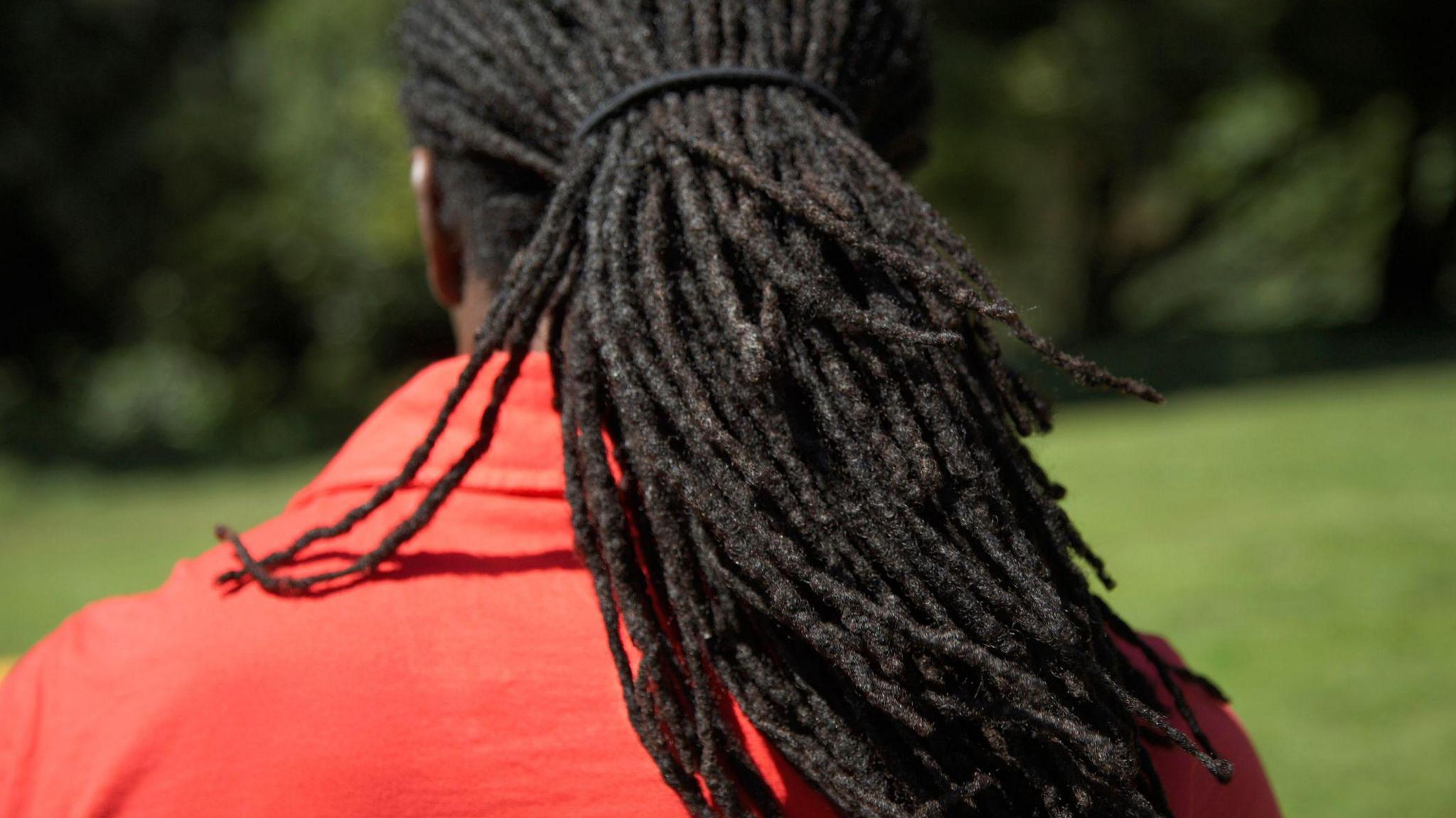
Supreme Court Bars Rastafarian Inmate from Suing Over Shaved Dreadlocks
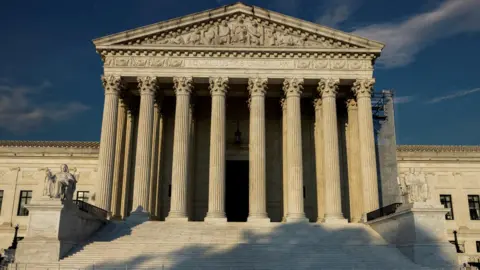
In a 6-3 decision, the U.S. Supreme Court denied former Louisiana inmate Damon Landor a civil claim against prison officials who forcibly shaved his dreadlocks in violation of his Rastafarian faith. The Court held that the Religious Land Use and Institutionalized Persons Act (RLUIPA) does not create liability for individual prison staff members.
The ruling reverses a trend of recent orders that have strengthened religious‑liberty protections. While the RLUIPA applies to federal‐funded state prisons, the Court said it does not allow personnel to be sued in their personal capacities. Justice Neil Gorsuch wrote that Congress can’t impose direct liability on officials under the Spending Clause.
In dissent, Justice Ketanji Brown Jackson argued that RLUIPA was designed to ensure that state and local prisons respect prisoners’ right to religious exercise. She warned that without a civil remedy, victims like Landor would remain “remediiless.”
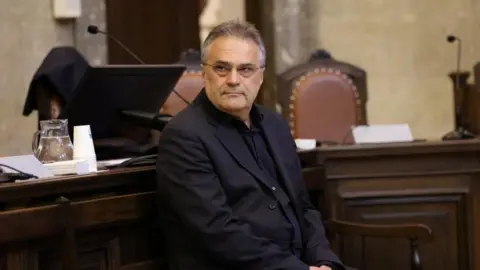
Landor, who was serving a drug‑related sentence, was handcuffed to a chair and shaved after he declared his Rastafarian faith. He had been allowed to keep his dreadlocks for four months before officials moved him to the Raymond Laborde Correctional Center, where he was shaved again. Despite presenting court rulings that deemed the shaving a violation of RLUIPA, prison guards discarded the papers and proceeded with the haircut.
The Supreme Court’s decision effectively bars individuals from suing for damages under RLUIPA against state officials, a measure that contrasts with the 1993 Religious Freedom Restoration Act rulings that permitted civil suits against federal agents. The ruling emphasizes that state institutions comply with federal statutes only under federal funding agreements and that this compliance does not create personal liability.
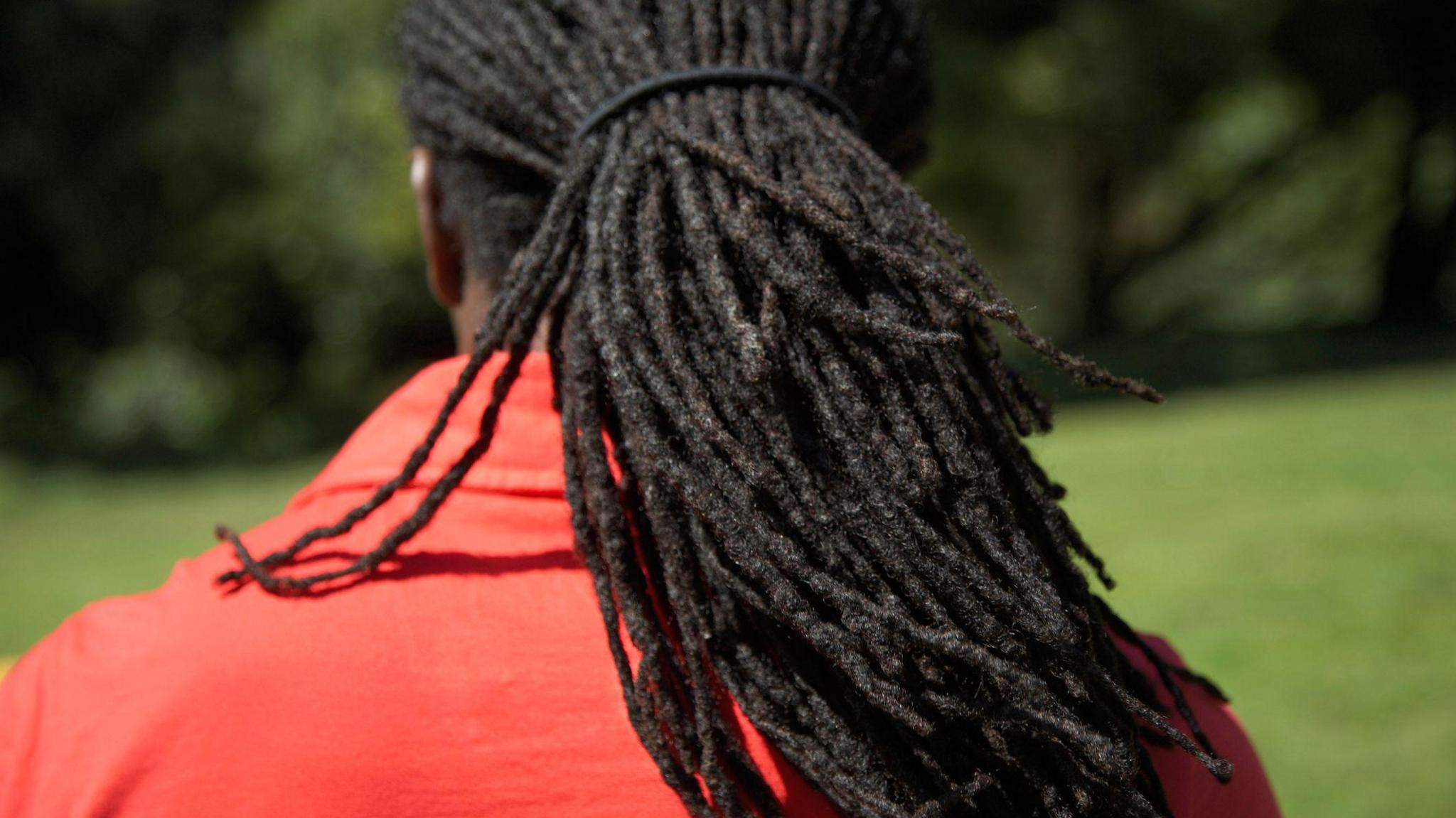
“Growing uncut, uncombed hair into dreadlocks is a symbol of devotion and spiritual growth for Rastafarians.”