In brief
The case stems from the robbery of a bank in Virginia, where suspect Okello Chatrie's cellphone was tracked using a geofence warrant. The police were able to obtain location data from Google, leading to his arrest and conviction. As the Supreme Court prepares to deliberate, it faces the challenge of balancing law enforcement needs with civil liberties and privacy rights. Critics argue these warrants infringe on innocent individuals' privacy, while supporters believe they are essential for modern investigations.
WASHINGTON (AP) — The use of geofence warrants by law enforcement to track down suspects is drawing significant attention as the Supreme Court prepares to review the legality of such practices.
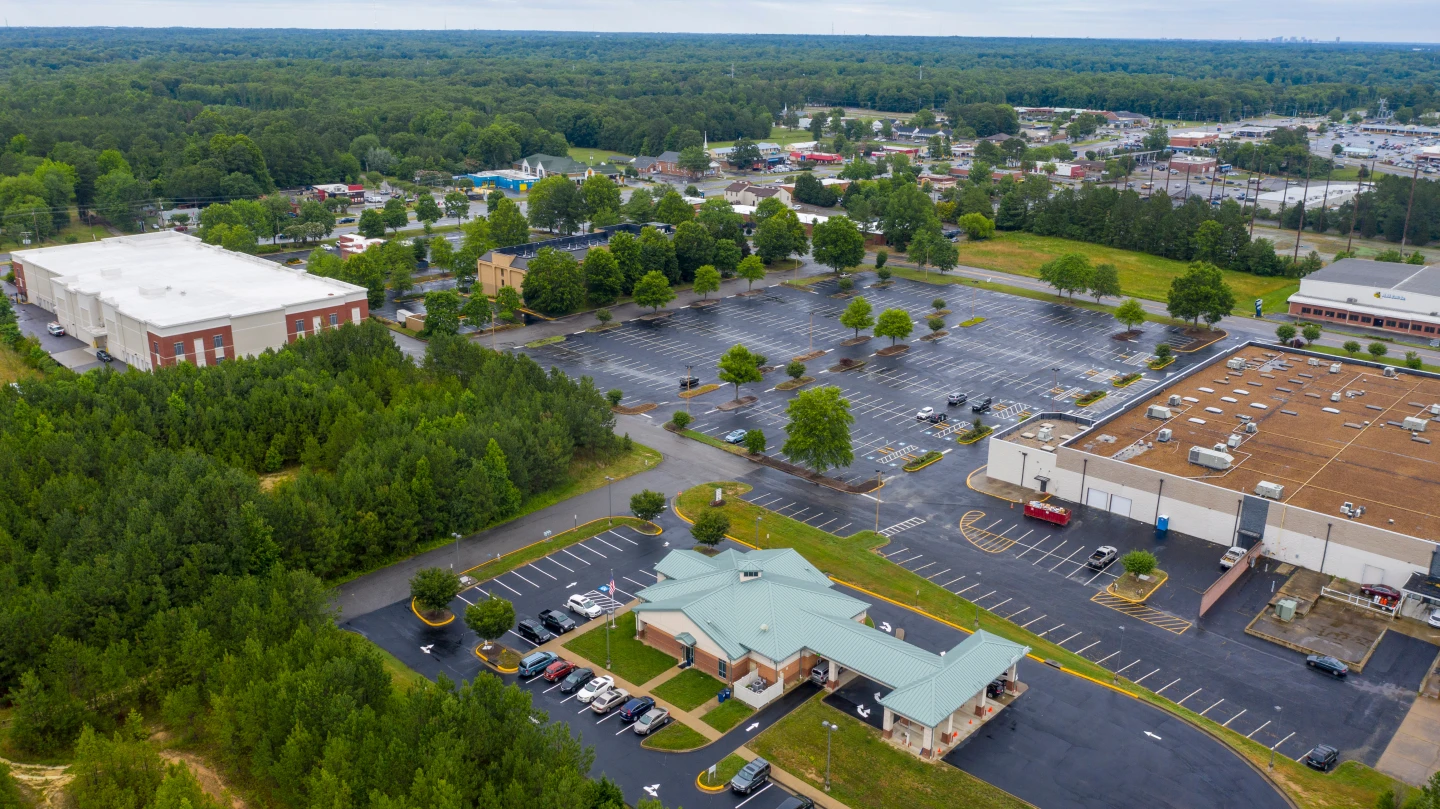
In a notable case involving Okello Chatrie, police utilized geofence technology to trace the location history of cellphones during a bank robbery in Midlothian, Virginia, where Chatrie allegedly made off with $195,000.
The police applied for a geofence warrant from Google, which revealed that Chatrie's device was present in the area at the time of the crime.
As discussions unfold, the Supreme Court is tasked with determining whether such warrants infringe on the Fourth Amendment rights, which guard against unreasonable searches.
This case is one of the latest challenges facing the court as it navigates the complexities of constitutional protections in an age dominated by digital technology. The justices must confront whether obtaining mass location data from individuals who were merely near a crime scene constitutes a violation of privacy rights.
Civil rights advocates argue that geofence warrants represent a harmful overreach by law enforcement, essentially conducting sweeping searches that could implicate hundreds of innocent individuals. In contrast, supporters claim they are vital tools for solving crimes where traditional evidence is lacking.
Following charging documents, prosecutors credit geofence warrants for aiding investigations into various criminal activities across the country, including riots and serious felonies. However, significant contention surfaces over the balance between effective policing and safeguarding individual freedoms.
The Supreme Court has already wrestled with questions of privacy in the past, notably in a 2018 ruling where a defendant's cellphone tracking data was deemed private and required a warrant for access. As they prepare to hear Chatrie's appeal, the implications of their ruling could be far-reaching, potentially reshaping how surveillance and police technology interact with citizens' rights.
Chatrie's conviction hinged on the evidence obtained through the geofence warrant, leading to arguments over whether such techniques should remain permissible and under what legal frameworks. As the debate continues, both legal scholars and policymakers are keeping a close watch on the outcomes which could set precedents for digital surveillance avenues in America.