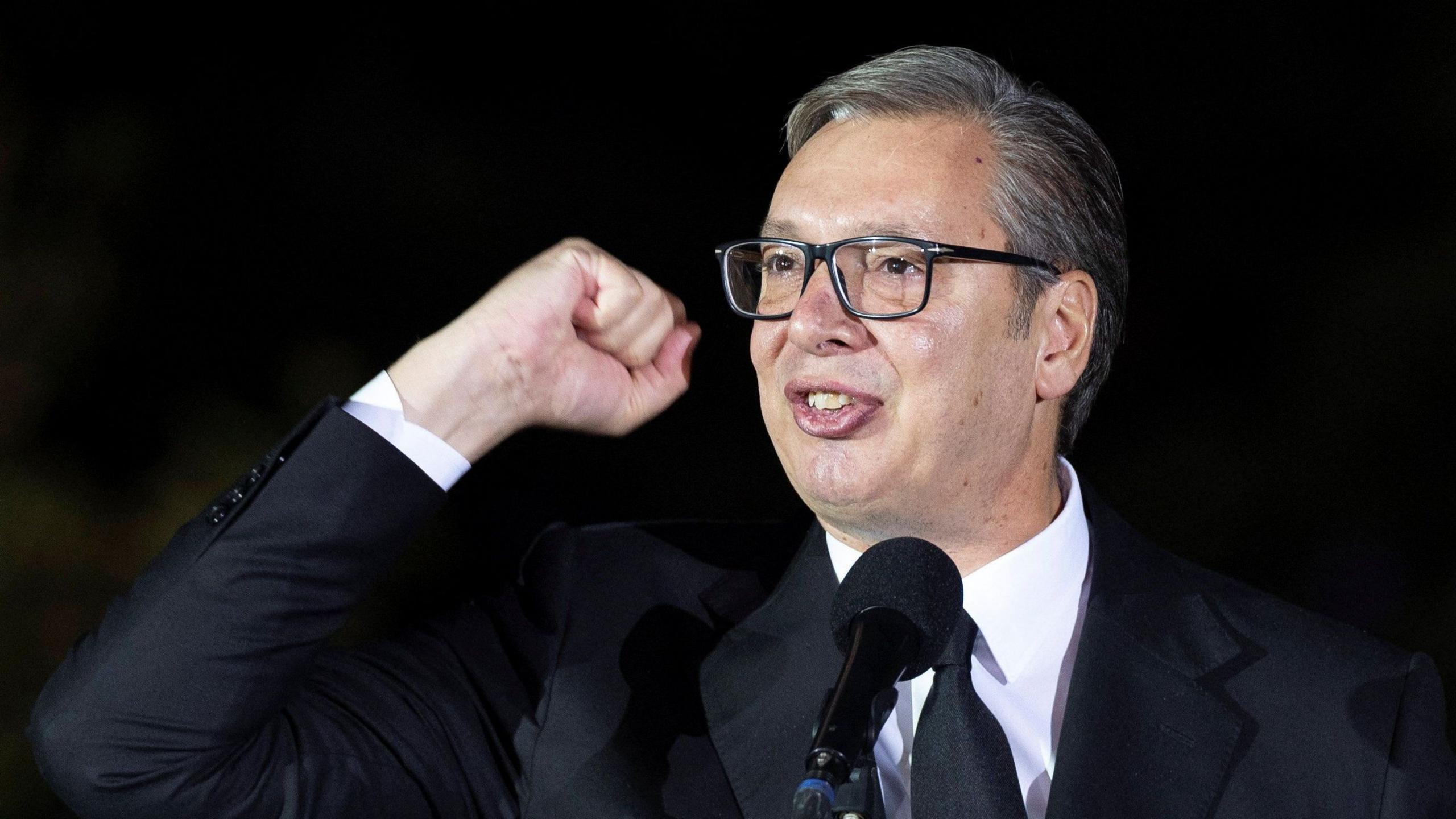
Aleksandar Vučić Resigns Amid Wrathful Student Protests
Serbia’s long‑time president, Aleksandar Vučić, tendered his resignation on Sunday, closing a nine‑year tenure marked by allegations of corruption and a tragic collapse of the Novi Sad railway station roof that killed 16 people.
The move, announced after a June statement that he would leave office, comes as the opposition movement Students Win has organized mass demonstrations in Belgrade, demanding governmental change and accountability. Vučić’s administration claimed to have stabilised the country, yet weeks of protests—ranging from university students to farmers—have eroded public trust and forced snap elections.
Under Serbia’s constitution, a presidential resignation triggers parliamentary elections within three months. Consequently, the country will vote in late October for representatives and, shortly after, in late December for a new leader. Sparked by calls for reform, the parliamentary poll will pit Vučić’s Progressive Party against Students Win and the pro‑Western coalition European Serbia.
Prior to stepping down, Vučić granted pardons to 49 individuals, including 23 students and loyalists, citing “the terrible events we have gone through over the past year and a half.” This gesture was widely seen as an attempt to quell unrest.
As the political pendulum swings, Viktor Mesta, speaker of Parliament and a fellow Progressive, will assume the role of interim president until the new head of state is elected. Analysts speculate that Vučić will avoid a presidential run to keep the reins of power through a prime ministerial bid.
Despite promises of EU integration, Vučić has maintained a cautious approach to Russia and welcomed Chinese investment, policies that continue to ignite opposition.