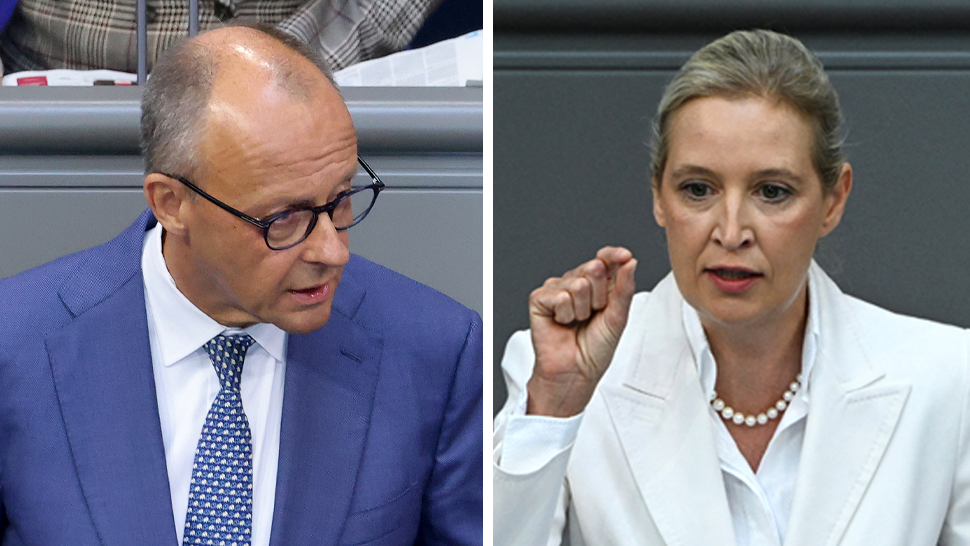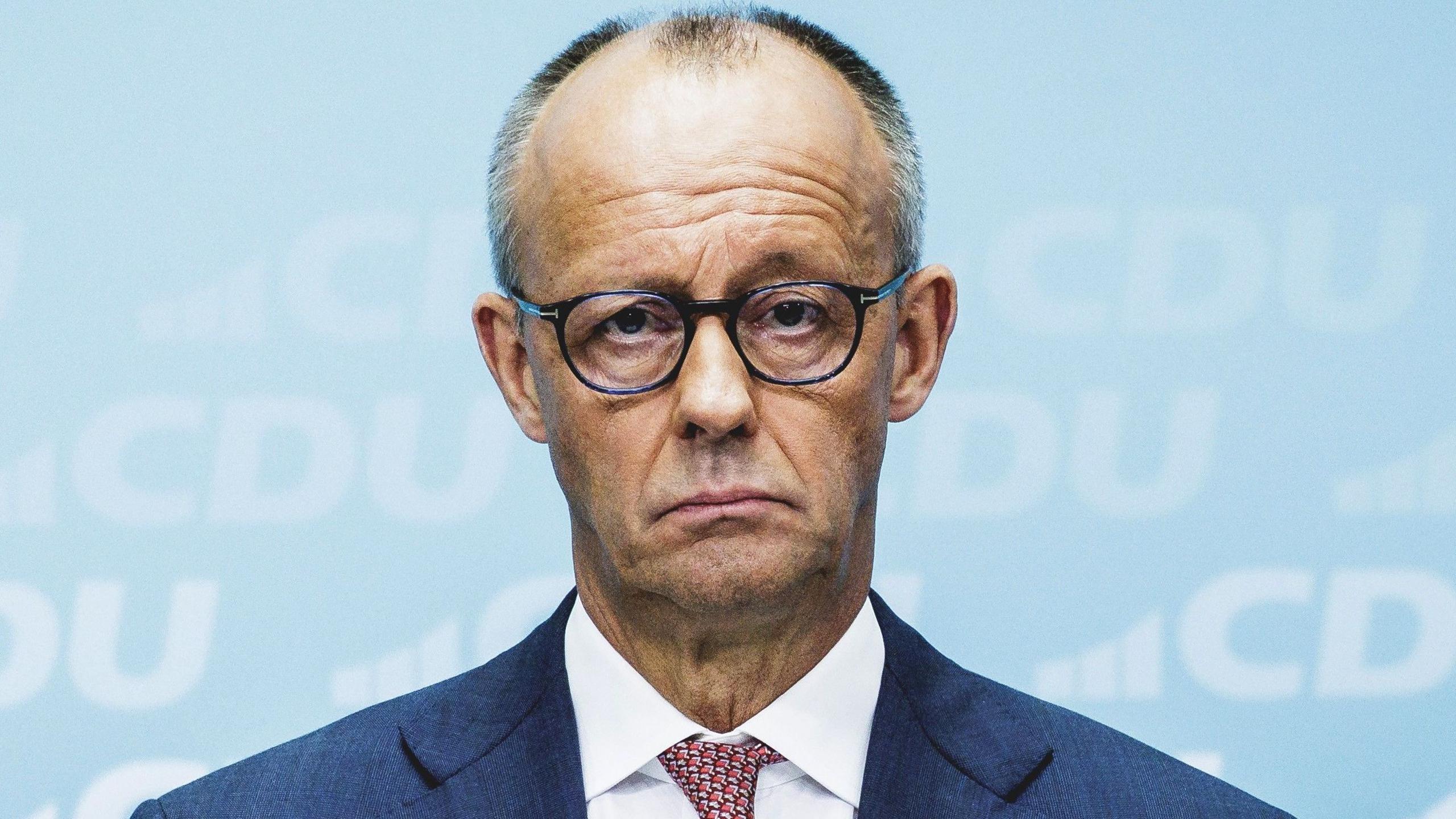

A flurry of local elections across Germany has shaken the nation's political landscape, toppling the governing coalition led by Chancellor Friedrich Merz. With the Christian Democratic Union (CDU) now trailing behind the far‑right Alternative für Deutschland (AfD) in several northern and eastern states, Merz faces a membership crisis and crumbling approval ratings.
Merz’s promise to tighten immigration controls and revitalize Germany’s struggling economy has seen some success, as independent institutes have lifted growth forecasts and illegal entries into Germany and Europe have fallen. Yet, high energy bills, fears of Chinese competition and lingering concerns over Germany’s former reliance on Russian gas keep public anxiety high.
The country’s identity is in flux. Long‑held stereotypes of Germany as an efficient, consensus‑oriented power no longer fit the reality of a nation grappling with nostalgia, rising populism and a perceived loss of purpose. The fractured political left‑centre, represented by the SPD, is also experiencing setbacks, with some of its long‑standing support base drifting toward the AfD or the left‑wing Die Linke.
Political insiders note that a frank interchange between Merz’s CDU‑CSU bloc and their coalition partner could bring them back into the public’s confidence, but internal divisions remain a source of fragility. While the CDU has yet to officially challenge Merz, the stakes are high: if the next few months see another surge in support for the AfD, a “Kanzlertausch” (chancellor swap) may become inevitable.
Germany’s trajectory will depend on how quickly its leaders respond to voters’ fears, articulate a clear vision for the future, and re‑establish the confidence that once defined the nation's political identity. In a country where the old recipes for success have been upended, the coming weeks will decide whether the centre can rally or if Germany will veer further toward radical alternatives.