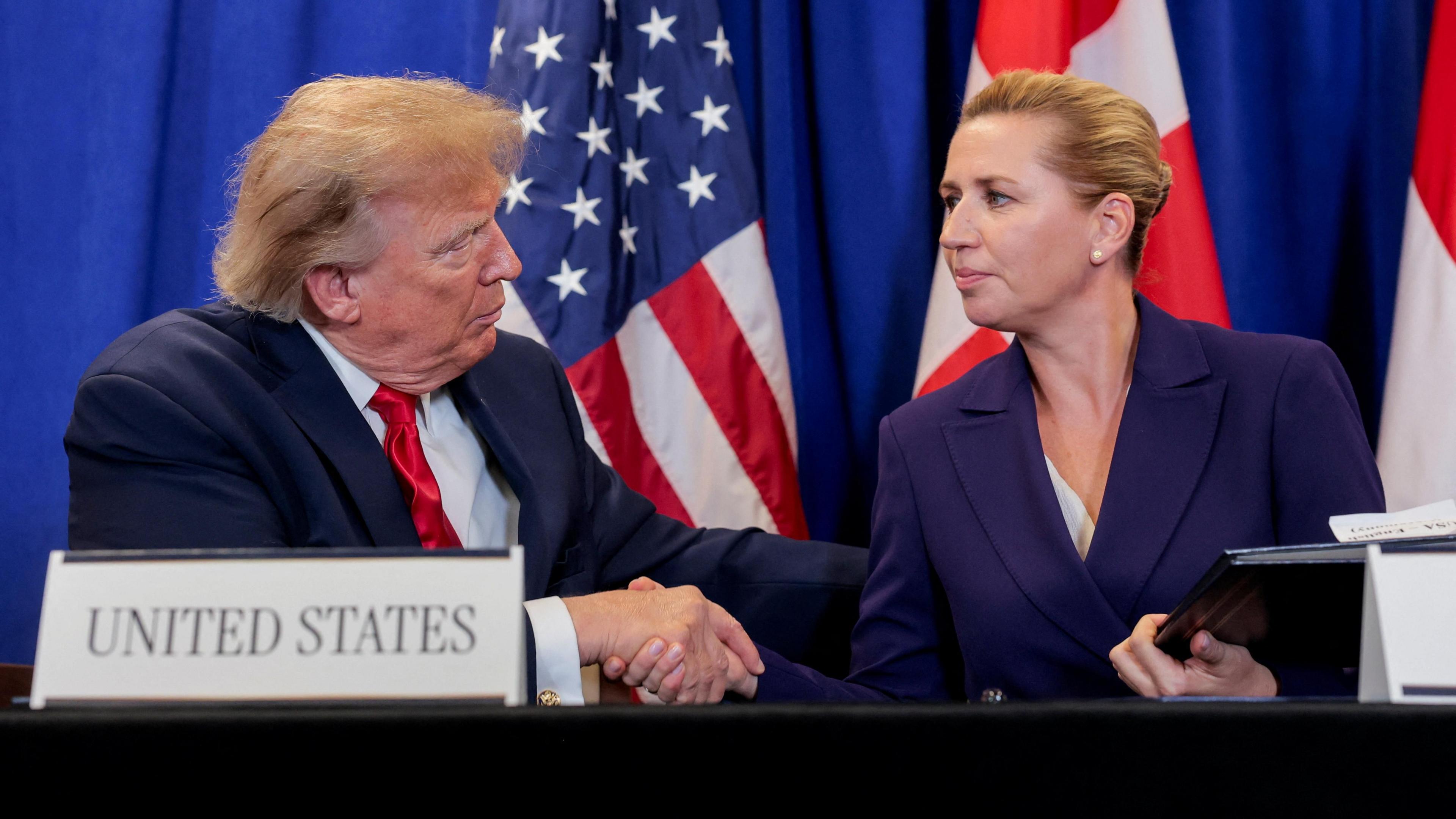
At a high‑profile summit in Beijing on 15 May 2026, U.S. President Donald Trump and Chinese leader Xi Jinping openly challenged each other over artificial intelligence. Trump branded AI as “a power maximiser” and stated that whoever wins AI prevails in world affairs, while Xi echoed a similar ethos by highlighting China’s vision for AI as a strategic enhancer.
Experts from the Mercator Institute and Stanford University point out that U.S. firms such as Anthropic and OpenAI dominate frontier models that score highest on global benchmarks, whereas Chinese labs favour open‑weight architectures that are freely downloadable. The gap in performance has narrowed to less than three percent, but the divergence in approach marks a deeper strategic split.
China’s policy orientates AI toward widespread deployment in manufacturing and home robotics, supported by plentiful electricity and a massive domestic market. The U.S. meanwhile prioritises innovation with limited regulation, arguing that strict measures would allow China to catch up. The two leaders discussed a notification mechanism for serious AI incidents but stopped short of a formal cooling‑off strategy.
Security specialists warn that the absence of a shared understanding on AI risks may hinder future cooperation. Washington’s focus remains on preventing technology from leaving its jurisdiction, while Beijing concentrates on maintaining social stability. How this rivalry will translate into global governance remains uncertain.
The summit’s outcomes may shape regulatory frameworks and competitive dynamics that have the potential to influence global technological trajectories and national security for years to come.