In brief
President Volodymyr Zelensky says Russia is targeting data centres and internet providers to disrupt ordinary life. A drone strike in Kyiv killed four, including an Israeli 14‑year‑old, and damaged a Datagroup data‑centre, causing massive internet outages for roughly 100,000 households. Russian forces have also hit other telecom hubs and continue to attack energy and rail infrastructure. Ukraine remains prepared for negotiations while stressing that its decentralised network will keep most citizens online.
President Volodymyr Zelensky has accused Russia of broadening its assault on civilian infrastructure, targeting data centres and internet providers across Ukraine to disrupt everyday life.
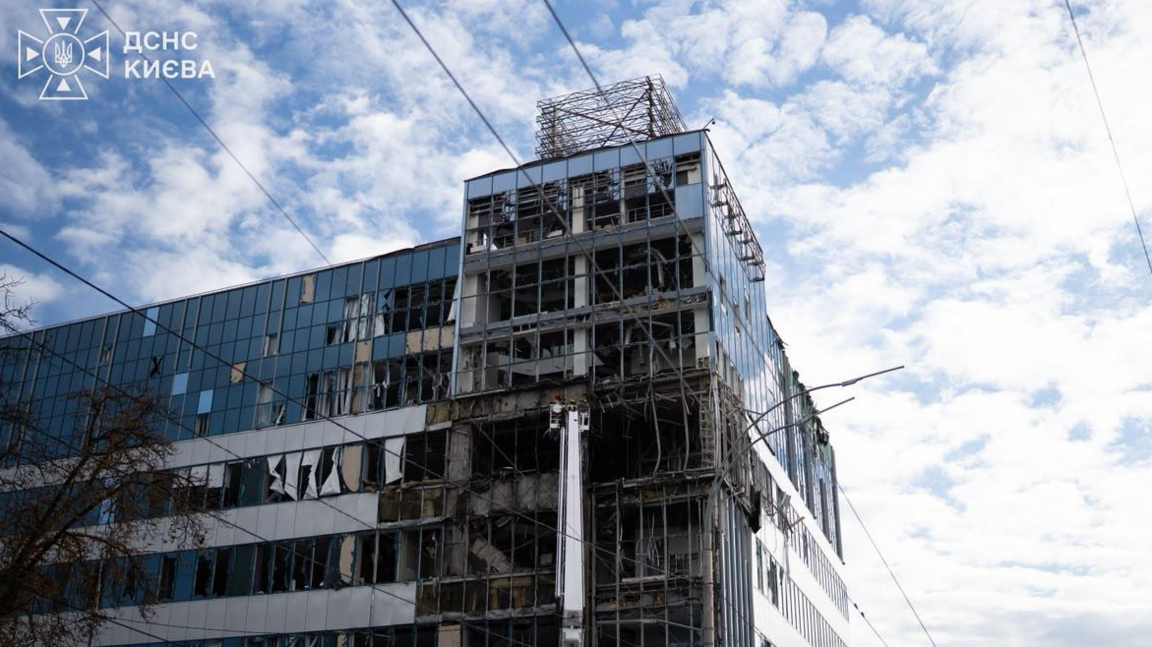
On 25 September a Russian drone struck a business centre in Kyiv’s Pecherskyi district, killing four, damaging a Datagroup data‑centre and killing a 14‑year‑old Israeli boy who lived in the building.
Ukraine’s authorities say roughly 100,000 households in Kyiv and surrounding areas suffered prolonged internet outages after the strike, and some firms have begun relocating their servers abroad.
Russia’s defence ministry admitted it struck the Datagroup site and has also targeted other telecom hubs such as New‑Telco, United DC, Kyivstar and Parkovyi, while it continues to attack energy and railway assets as winter approaches.
Zelensky’s top advisor warned that internet costs could rise to cover repair expenses, but Ukraine’s decentralised network would keep most people online.
Despite these escalations, Ukraine says it is prepared for peace talks and stresses that such infrastructure is civilian, not military, and “essential to everyday life.”
Images below show the wrecked business centre and a multi‑storey residential building scorched by a drone strike.