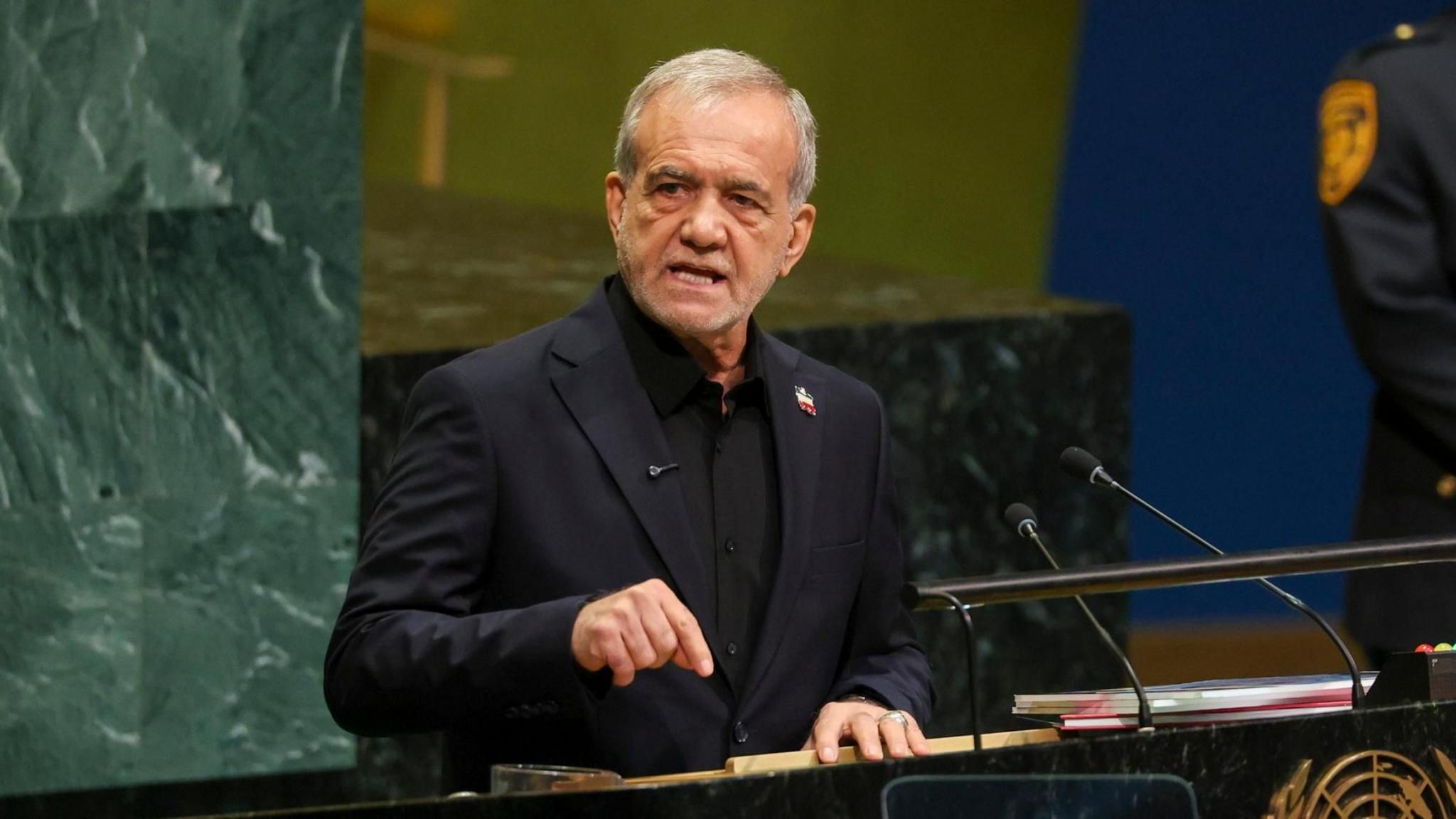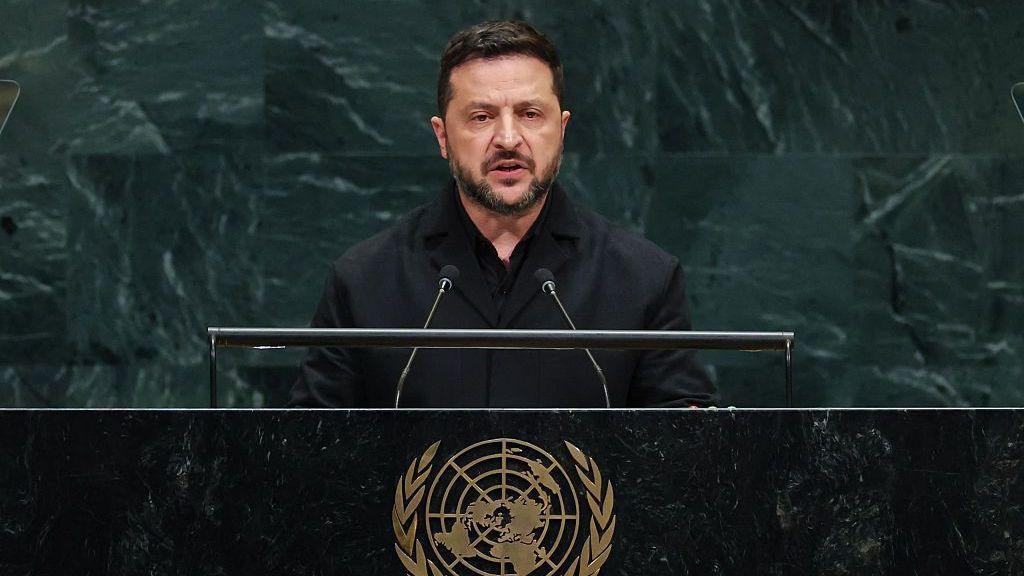
South Korea’s foreign ministry has formally summoned Ukraine’s acting ambassador after President Volodymyr Zelensky announced in a UN speech that two North Korean soldiers captured in Ukraine were transferred to Seoul.
The Vice Foreign Minister, Park Yoon‑joo, lodged a formal complaint with Ukrainian diplomat Andrii Vieshkin, expressing "strong regret" that the transfer was made public. Seoul insists the move was meant to remain a secret, both to protect the soldiers’ families and to avoid criticism over a potential exchange of prisoners.
The Soldiers and the Agreement
In early 2025, Ukraine confirmed that it had captured two North Korean soldiers in Russia’s Kursk Oblast who had volunteered to fight alongside Russian forces. The soldiers had earlier expressed a wish to be sent to South Korea and were transferred after more than a year of negotiations.
Although Kyiv assured that the soldiers’ presence would be mentioned in Zelensky’s address, it did not disclose the transfer itself, a practice that Seoul claimed was a breach of a non‑disclosure agreement. The South Korean president, Lee Jae‑Myung, described the disclosure as "greatly disappointing" and noted the issue’s high sensitivity for national security.
Repercussions at Home and Abroad
- Lee faces backlash from opposition parties who accuse him of capitulating to Pyongyang.
- Mykhailo Podolyak, a senior adviser to Zelensky, framed the transfer of defence technology from Seoul to Kyiv as a strategy to contain the "aggressive totalitarian axis".
- Following the transfer, Russia warned that it might retaliate if Seoul supplied weapons to Ukraine.
South Korea’s Stance on the Ukraine Conflict
South Korea has provided non‑lethal aid to Ukraine—including helmets, armor and medical gear—and announced a $100 million assistance package later in the year. However, the nation maintains its policy of not supplying lethal weapons to any country actively engaged in war.
The incident underscores South Korea’s delicate balancing act: maintaining cordial ties with Russia and China to influence North Korea, while navigating pressure from the United States and the broader international community on the Ukraine front.