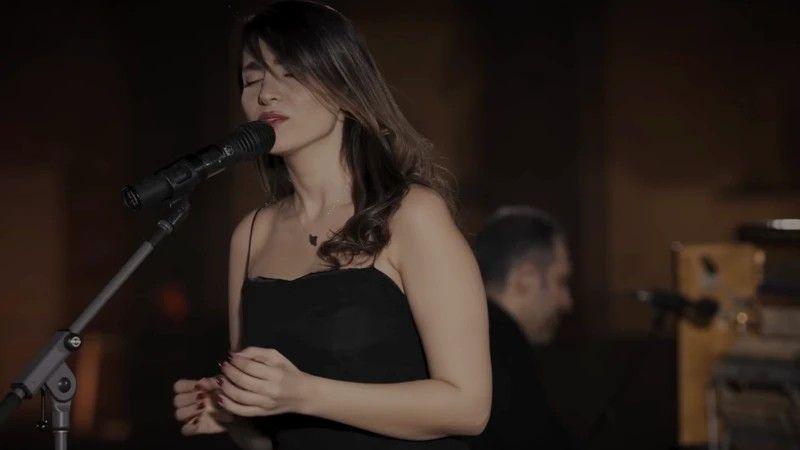
In a rare public display of the state’s legal reach, an Iranian appeals court has upheld a sentence of 74 lashes against Parastoo Ahmadi, a singer who performed a December livestream on YouTube without a hijab. The decision follows the criminal court in Qom’s ruling that accused her and her production team of offending public decency, adding bans on audio‑visual activities and international travel for two years.
Ahmadi’s livestream, which drew millions of views, showed her singing in a sleeveless dress. Officials warned that the performance violated Iran’s laws that prohibit women from─and require them to dress modestly in public. Lawyers for the singer argue that the conduct was not a crime and that lighter penalties were available.
Despite an appeal, the higher court rejected a hearing and confirmed the flogging penalty, a move described by activists as a warning to anyone who defies the strict dress code. The ruling has inflamed protests among Iranians on social media, with artists and political figures calling for a return to freedom of expression.
International human rights groups, including Amnesty International, condemned the sentence, labeling floggings as cruel and inhumane. The case follows the 2024 flogging of Kurdish‑Iranian activist Roya Heshmati, who was whipped after posting a photo without a hijab.
The broader context is the aftermath of the 2022 protests sparked by the death of Mahsa Amini, which intensified governmental scrutiny of women who do not comply with the mandatory hijab and triggered a wave of arrests and crackdowns.