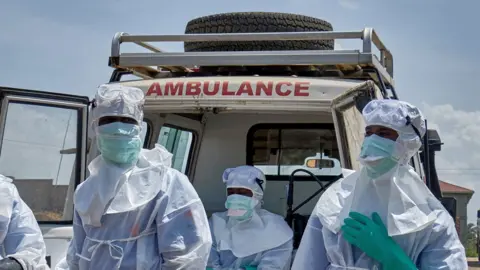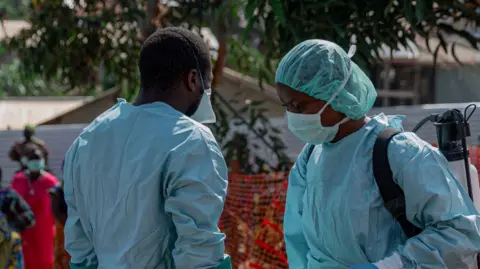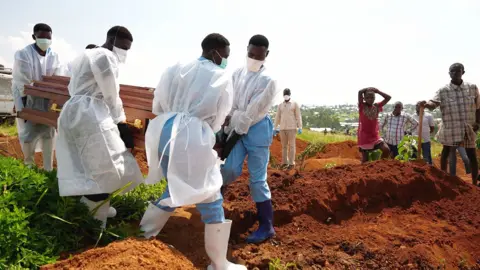
Authorities report that the ongoing outbreak of Ebola has confirmed 51 cases in the Democratic Republic of Congo (DR Congo) with an increasing death toll. The World Health Organization (WHO) has stated it might take up to nine months to prepare a vaccine against this particular subspecies of Ebola known as Bundibugyo.
Two candidate vaccines are currently in development but have yet to undergo clinical trials. WHO advisor Dr. Vasee Moorthy provided insight into the situation in a press conference, highlighting that neither vaccine has met clinical testing phases.
Dr. Tedros Adhanom Ghebreyesus, the director-general of the WHO, communicated alarming statistics indicating approximately 600 suspected cases and 139 suspected deaths. The figures are likely to rise as the virus detection timeline extends.
Reporting from Geneva, Dr. Tedros specified that all confirmed cases are concentrated in the eastern Ituri province of DR Congo, with additional cases confirmed in neighboring Uganda. The WHO has recently declared the outbreak a public health emergency but asserts that it does not meet pandemic criteria.
The emergency committee of the WHO assessed the risk of the outbreak as high at national and regional levels but low globally. Dr. Tedros stressed the need for priority in managing the epidemic while cautioning against premature alarm.
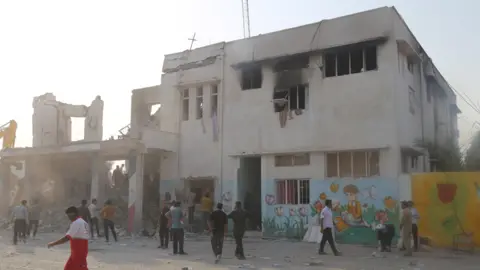
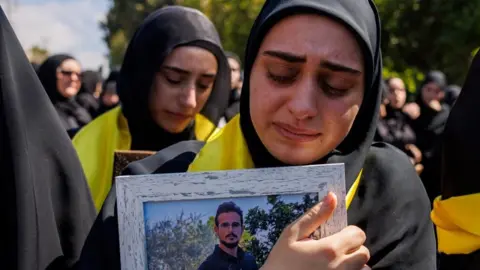
As local health facilities struggle to cope with the outbreak, numerous healthcare workers have succumbed, exacerbating the situation. Areas such as the eastern Ituri province are facing significant strain due to ongoing conflict and limited resources.
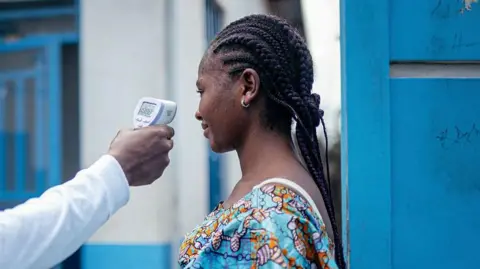
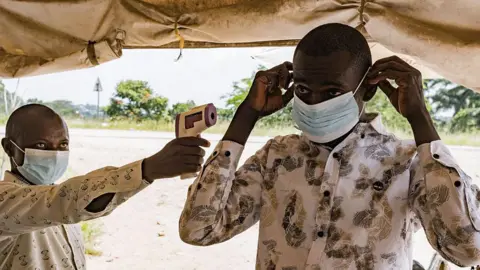
The UK government has pledged to contribute up to £20 million towards controlling the outbreak, supporting frontline health workers and enhancing health safety measures.
The last known outbreak of Bundibugyo occurred in 2012, making the current emergence of this particular strain significant given its lesser-known profile and the limited tools available for counteraction. The situation remains fluid as efforts to contain the virus intensify amid rising concerns for the public health response.
}