In brief
The Ebola outbreak in eastern DR Congo, particularly in Ituri province, is causing significant alarm with reported deaths rising to at least 136. Health minister Dr. Samuel Roger Kamba indicated that the outbreak may have spread undetected prior to recent notifications. Local communities express fear and desperation as they confront the disease, with calls for more protective measures and treatment centers.
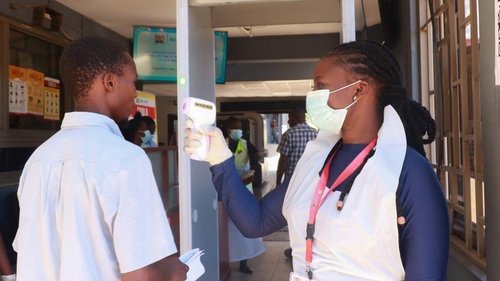
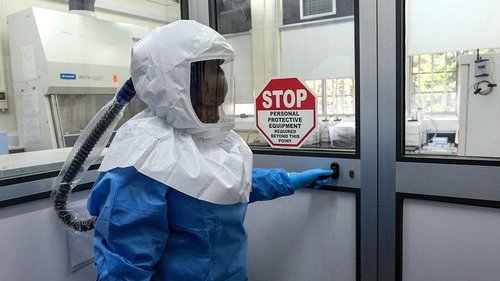
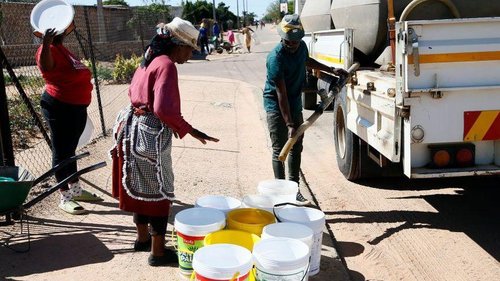
Fear has gripped Ebola-hit areas in eastern Democratic Republic of Congo as the suspected number of deaths continues to rise, with officials struggling to address an outbreak that may have gone undetected for weeks. Ebola has tortured us, said a taxi rider from the gold-mining town of Rwampara, echoing the sentiments of residents who are anxious as many succumb to the virus rapidly.As of now, over 514 suspected cases and 136 fatalities due to the virus have been confirmed. Health Minister Dr. Samuel Roger Kamba acknowledged significant challenges in containing the outbreak, stating that the suspected patient zero—a nurse who died—did not raise early alarms.Reports suggest that the outbreak began spreading in communities before it was formally recognized, leading to heightened fears among the residents. Many local people believe that without adequate knowledge of the disease or proper health protocols, the fear and misinformation exacerbating the situation will compound the crisis.The Bundibugyo strain of Ebola has returned to disrupt lives, and experts warn that its spread into urban centers significantly complicates containment efforts. Local healthcare facilities in the most affected areas, such as Bunia, Rwampara, and Butembo, are overwhelmed, lacking sufficient treatment capabilities to handle the increasing number of cases.In Goma, the region’s largest city, residents largely ignore health guidelines, prioritizing daily survival over health precautions, illustrating the dire circumstance faced amid ongoing conflict and economic challenges.International assistance is being mobilized, with the U.S. pledging $13 million in emergency aid to support these struggling regions. However, locally, a sense of urgency mounts as the virus's quiet but deadly advance continues unmitigated. As officials work to instill confidence and healthcare interventions, local leaders and community members alike recognize that immediate and profound changes are necessary to combat this crisis effectively.