Residents near the epicenter of an Ebola outbreak in the Democratic Republic of Congo are expressing increasing fear as the World Health Organization (WHO) warns that the outbreak may be spreading faster than initially thought. Reports indicate that the outbreak has claimed at least 136 lives with more than 514 suspected cases in the country.
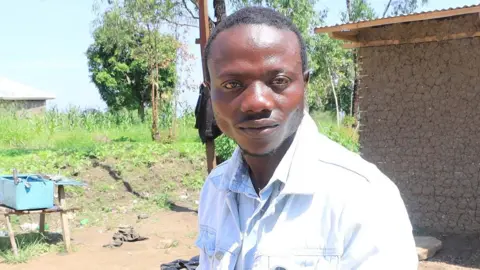
One local resident reported the rapidity of deaths from the virus, stating, Ebola has tortured us. The alarming surge in cases has prompted the WHO to investigate and gather data, leading to projections that the actual number of cases could exceed 1,000. This reflects substantial under-detection in the region.
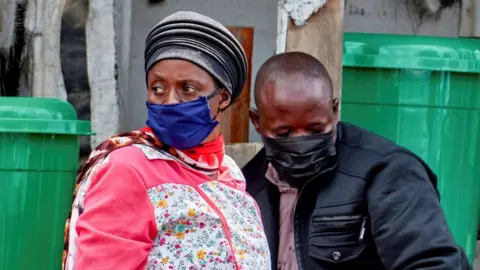
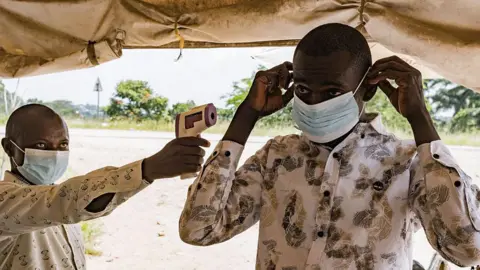
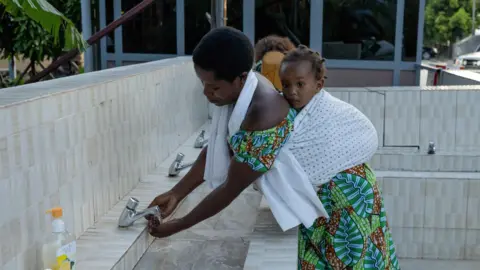
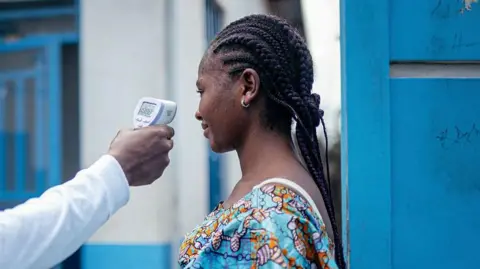
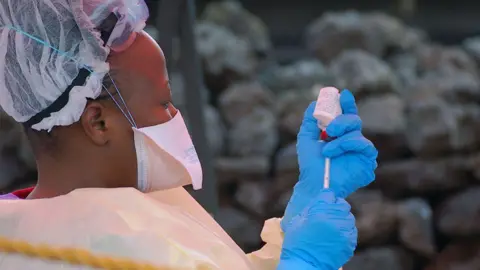
Health officials, including Dr. Ancia from the WHO, shared updates with the public, emphasizing the need for vigilance and community cooperation to combat the rising threat. As families in the affected areas take preventive measures—such as washing hands and awaiting supplies like face masks—the broader implications for national and regional health systems are evident.
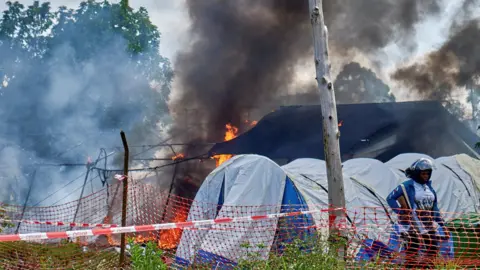
Poverty-stricken and conflict-ridden, regions like Ituri face significant barriers to health care access, leading health authorities to worry about overwhelmed medical facilities and uncontained viral spread.
A recent emergency meeting led by DR Congo President Félix Tshisekedi called for calm among citizens as WHO officials stressed the need for an immediate response to stop further escalation of the outbreak.
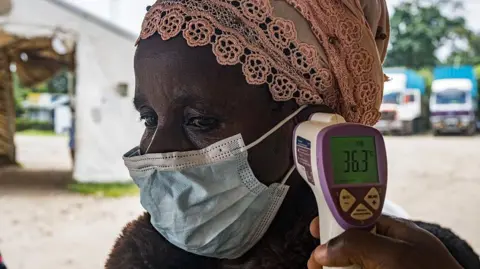
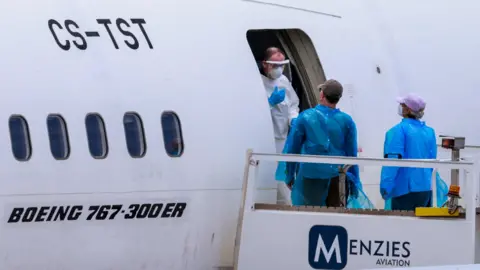
Neighboring countries are tightening border controls and increasing health precautions, attempting to curb the cross-border transmission of the virus. Meanwhile, the WHO is deploying essential medical supplies to the affected regions, aiming to mitigate the impact of the outbreak.
As the situation continues to develop, the global health community remains on high alert, and residents are urged to report symptoms and adhere to safety protocols to limit the virus's spread.