Ebola Outbreak in DR Congo: Understanding the Challenges and Risks
An Ebola outbreak in the Democratic Republic of Congo has been declared a public health emergency of international concern by the World Health Organization (WHO). While Ebola is a rare but deadly disease, this outbreak presents unique challenges due to its association with a rare strain that has no existing vaccine and is occurring in conflict zones.
What is Ebola and what are the symptoms?
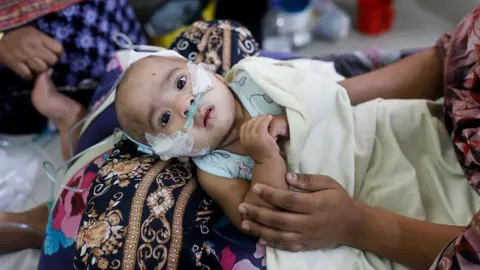
Ebola is caused by a virus that primarily infects animals, particularly fruit bats. Human outbreaks generally occur when people handle or consume infected animals. Symptoms take between two to 21 days to appear and initially manifest like flu symptoms with fever, headache, and fatigue. As the disease progresses, it can lead to organ failure, vomiting, diarrhea, and bleeding.
Why is this Ebola outbreak different and is there a vaccine?
This specific outbreak is caused by the Bundibugyo species of Ebola, which hasn't been observed in over a decade. Bundibugyo has previously resulted in about one-third of those infected dying. It adds complexity to response strategies since initial blood tests may not detect it, and no approved vaccines or specific drugs target this strain. Plans to develop experimental vaccines are in progress, and some protection may be offered through vaccines for other Ebola species.
How did the outbreak start?
The first reported case was a nurse who developed symptoms on April 24. Unfortunately, the absence of timely reporting allowed the virus to spread widely before detection. Many individuals sought alternative treatments due to beliefs that the illness was of supernatural origin.
Response to the outbreak
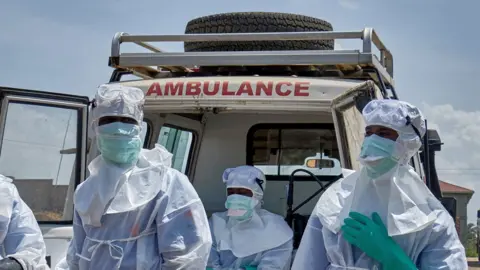
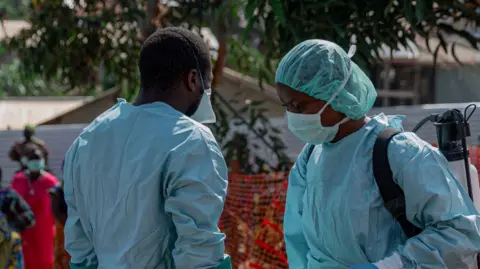
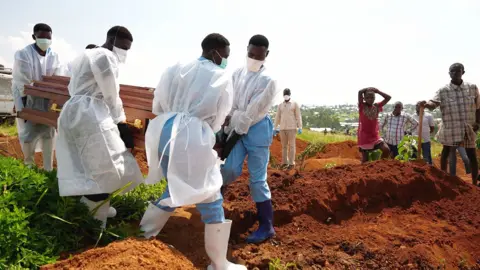
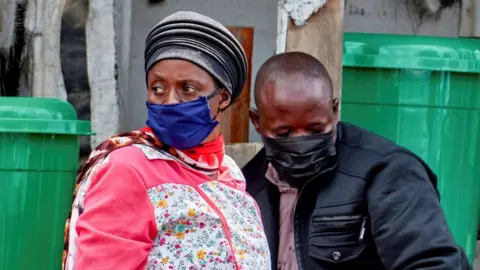
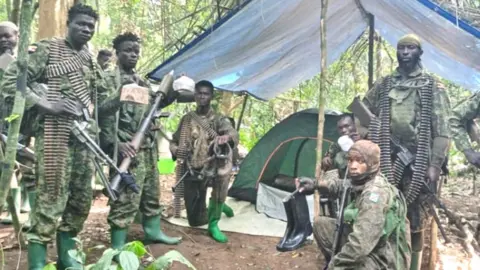
The Congolese government has mobilized health teams to affected areas, supported by WHO and Médecins Sans Frontières (MSF). Public health campaigns are underway to educate communities about hygiene practices, such as avoiding raw meat and safe burial practices. Some rebel groups in the affected regions are also formulating a response, although collaboration with government bodies remains uncertain.
Neighboring countries' response
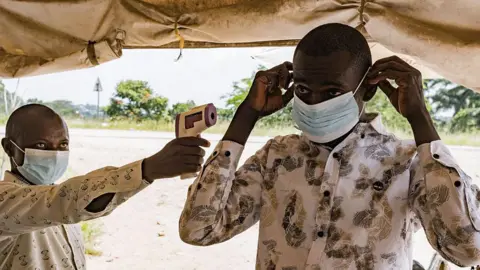
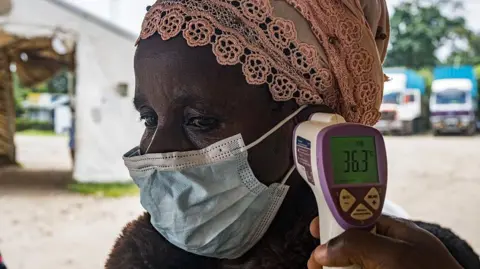
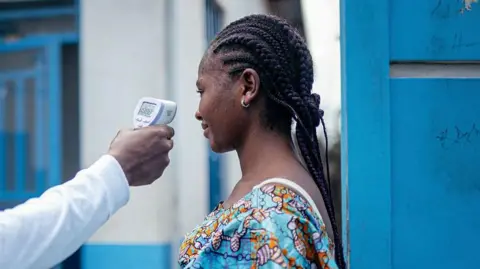
Countries bordering DR Congo are on high alert, deploying measures such as reinforced screening at borders and delaying public gatherings to prevent spread. Cooperating efforts among health officials in Uganda, Rwanda, and South Sudan are being strengthened to manage risks associated with border movements.
In conclusion, while this outbreak has raised significant health concerns, proactive measures and international awareness may help manage and mitigate the spread of Ebola within and beyond the affected regions.