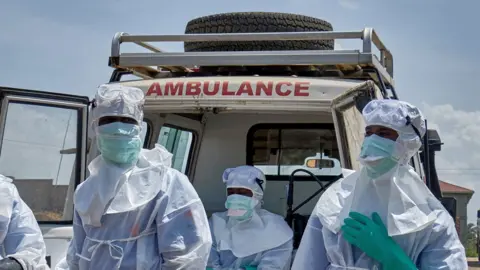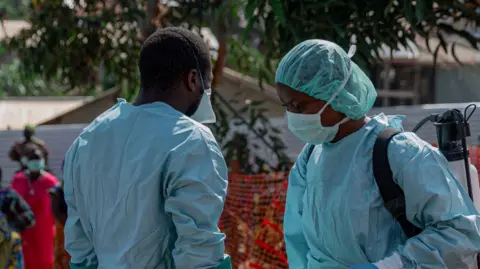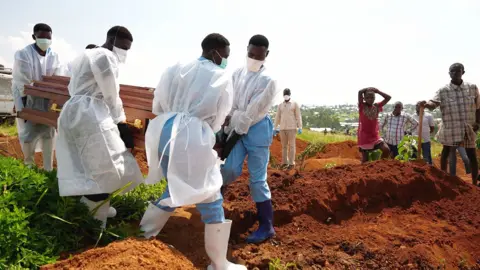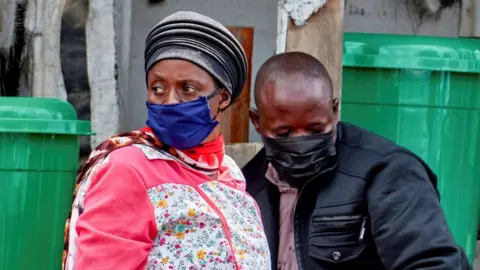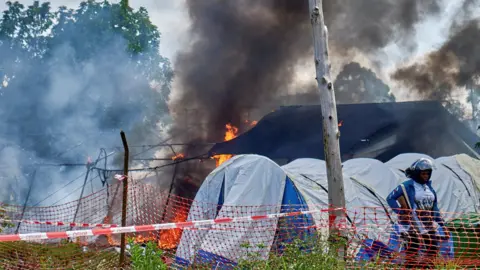
An Ebola outbreak in the Democratic Republic of Congo has been declared a public health emergency of international concern by the World Health Organization (WHO). The challenge this outbreak poses is exacerbated by the rare Bundibugyo strain of the virus, for which no vaccine exists, and ongoing conflict in the region hindering health responses.
Ebola is a deadly disease associated with severe symptoms, including fever, headaches, vomiting, and in some cases, hemorrhaging. The disease spreads through contact with infected bodily fluids. Early symptoms resemble those of the flu, but as the infection progresses, patients can experience severe complications.
This current outbreak began as a nurse became symptomatic on April 24, leading to a spread that went unrecognized for weeks. Such delays in recognition make managing and containing the virus immensely difficult.
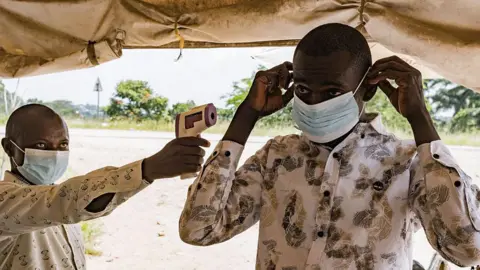
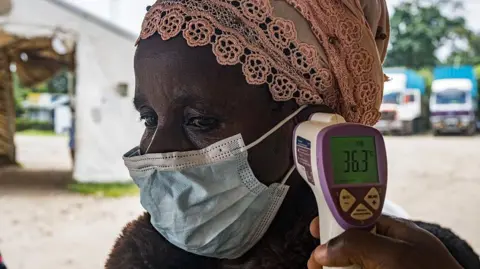
Healthcare responses are underway, with teams deployed, public health campaigns established, and treatment centers being set up. However, compounded challenges remain due to the ongoing turmoil in the region, which has displaced thousands of people.