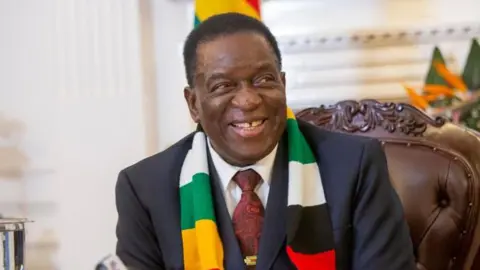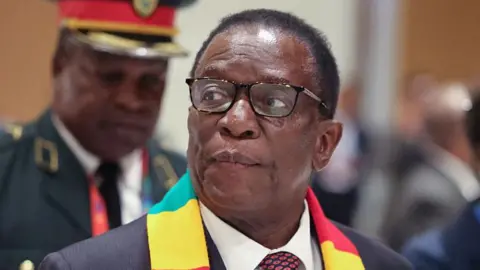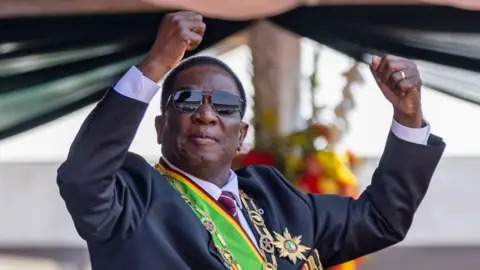
Zimbabwe's Cabinet has approved a draft bill that would enable President Emmerson Mnangagwa, aged 83, to extend his rule until at least 2030. If passed, the legislation will modify how presidents are elected, shifting the responsibility from direct public votes to election by Members of Parliament. The proposed changes also include a new maximum term of two seven-year terms, replacing the current five-year limit.
Justice Minister Ziyambi Ziyambi announced that public consultations will occur before the bill advances to parliamentary debate, where the ruling Zanu-PF party holds a substantial majority.
However, doubts linger as legal experts argue that such amendments may require a national referendum, given that constitutional provisions currently restrict changes that would benefit a sitting president. Mnangagwa's final term is slated to conclude in 2028, after he assumed power in 2017 following a military coup that ousted long-term leader Robert Mugabe. His presidency has been marked by controversy, including disputed election results.
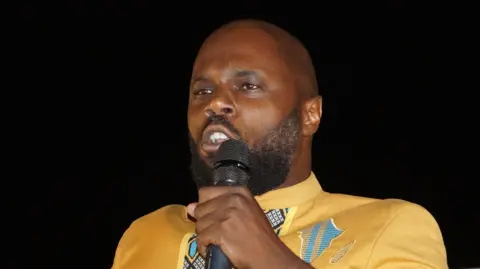
The concept of extending Mnangagwa's rule has been somewhat apparent in recent times. Zanu-PF supporters have been vocal about needing his leadership to complete the Agenda 2030 development vision, despite Mnangagwa publicly rejecting these assertions. Amidst internal party tensions, his vocal critic, Blessed Geza—known as Bombshell—recently passed away, leaving behind a significant following that questioned Mnangagwa's governance.
In light of the proposed changes, the Mnangagwa administration claims that the intention is to bolster governance and ensure political stability in Zimbabwe.