In brief
Bulgaria, the poorest member of the European Union, has become the 21st member of the eurozone, replacing its national currency, the lev, with the euro amid mixed public reactions. While younger, urban populations express hope for economic opportunities, older generations voice concerns about inflation and loss of local identity.
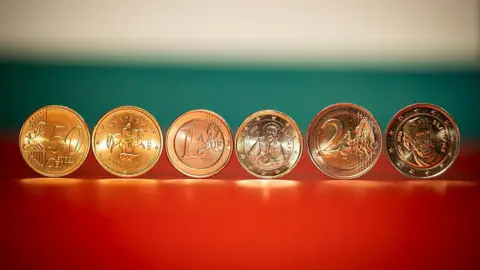
Bulgaria - the poorest country in the European Union - has become the 21st member of the eurozone, leapfrogging more obvious and prosperous candidates like Poland, the Czech Republic, and Hungary.For mostly urban, young, and entrepreneurial Bulgarians, it's an optimistic and potentially lucrative leap - the final move in a game that has brought Bulgaria into the European mainstream - from NATO and EU membership to joining the Schengen zone and now the euro.However, for older, rural, and more conservative segments of the population, this transition raises fears and resentment. The lev, meaning lion, has been Bulgaria's currency since 1881 but has been pegged to other European currencies since 1997, and opinions on the euro remain divided among Bulgaria's 6.5 million population. Political turmoil complicates matters, as Prime Minister Rosen Zhelyazkov recently lost a confidence vote amid mass protests.Todor, a small business owner in Gabrovo, expressed his resistance, stating, I don't want the euro, and I don't like the way it has been imposed on us. He fears that the euro adoption will negatively impact his business, which has suffered from high inflation and reduced sales.Conversely, some, like Ognian Enev, a tea shop owner in Sofia, view the change positively, recognizing that many homes and businesses are already accustomed to euro prices due to the financial ties Bulgarians have maintained across Europe.The transition will allow payments in both lev and euros throughout January, with full euro adoption commencing in February. Despite concerns over potential price hikes, monitoring measures are in place to protect consumers from exploitation.New euro coin designs have incorporated Bulgarian symbols, aiming to preserve national identity amid the transition. While some view euro adoption as a path towards economic reform and growth, others worry that Bulgaria might see stagnation similar to Italy. The path forward remains eagerly anticipated as Bulgaria navigates this new chapter.