In brief
Yoweri Museveni's recent victory in Uganda's presidential election gives him a seventh term, raising questions about political legitimacy and future succession amid allegations of voter intimidation and suppression. Museveni promises economic growth through oil exports, while opposition leader Bobi Wine, facing a diminishing political future, claims the election results are illegitimate. This moment in Uganda's history signals a complex political landscape, influenced by Museveni's age and the rising prominence of his son as a potential successor.
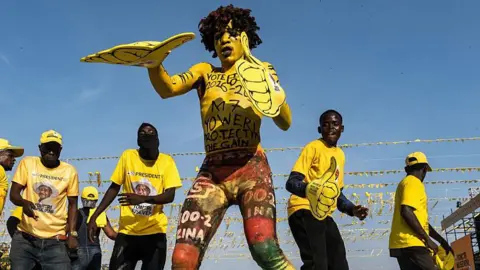
For supporters of Uganda's President Yoweri Museveni, his resounding victory in the just-concluded election is a vindication of his 40-year-long rule.
He won with 72% of the vote, close to his highest-ever tally of 74% in Uganda's first direct presidential election in 1996. It reinforces the 81-year-old's claim that he still commands the support of the overwhelming majority of Ugandans, after seizing power as a rebel commander in 1986, ending the rule of the Milton Obote regime.
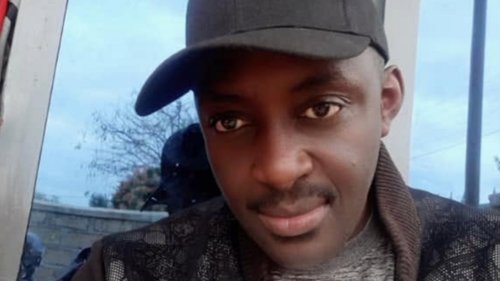
However, Museveni's main election rival - the charismatic former pop star Bobi Wine - dismissed the result as fake and claimed to have gone into hiding after a security forces raid on his home.
Museveni campaigned largely on his track record, arguing he has delivered political and economic stability during an era of global uncertainty. He pledged to steer Uganda towards achieving middle-income status by 2030, viewing the nascent oil industry as a central pillar for this goal.
Museveni assured voters that with impending oil exports, the economy could grow at double-digit rates, setting an October target for the first crude oil shipments via a 1,443 km pipeline to Tanzania.
Despite his age, Museveni sought to project vitality, asserting he had visited all of Uganda's more than 140 electoral constituencies. Nonetheless, his campaign was marred by health concerns; several events were canceled, prompting speculation about his fitness for office.
For Bobi Wine, the election was a substantial setback, with his share of the vote dropping from 35% in 2021 to 25%. He maintains the process was neither credible nor fair, citing security force actions that disrupted his rallies and intimidation tactics against supporters.
The future of Uganda's political landscape now hinges on the question of succession. As Museveni's presidency continues, the authority has increasingly shifted towards his son, Gen Muhoozi Kainerugaba, suggesting a possible dynastic transition in the country.
This election reflects deeper, slower shifts within the ruling National Resistance Movement (NRM) and suggests that the future is being shaped primarily by Museveni's son, even in the absence of an official title.