In brief
Brent crude has climbed past the $100 a barrel mark, marking the first time since May, as rising tensions between the United States and Iran concentrate worldwide attention on oil markets. The surge follows U.S. military strikes and attacks by Houthi militants on Red Sea shipping lanes, heightening fears of supply disruptions. The spike has already pushed gasoline and diesel prices higher, with UK petrol nearing £1.56 per litre and US fuel above $4 per gallon. The price jump could support inflationary pressures, prompting central banks to keep rates elevated for longer and strain households and businesses alike. Analysts weigh a potential pause in rate cuts while awaiting stabilisation of energy costs.
Brent crude has climbed past the $100 a barrel threshold, the highest level since May, after a 6% rally driven by escalating US‑Iran confrontation.
The price rebound follows U.S. military strikes on Iranian facilities and the Houthi militia’s attacks on oil tankers in the Red Sea, a key route that Saudi Arabia uses to avoid the Strait of Hormuz. Concerns that the supply chain could be throttled have lifted market sentiment, pushing oil up sharply.
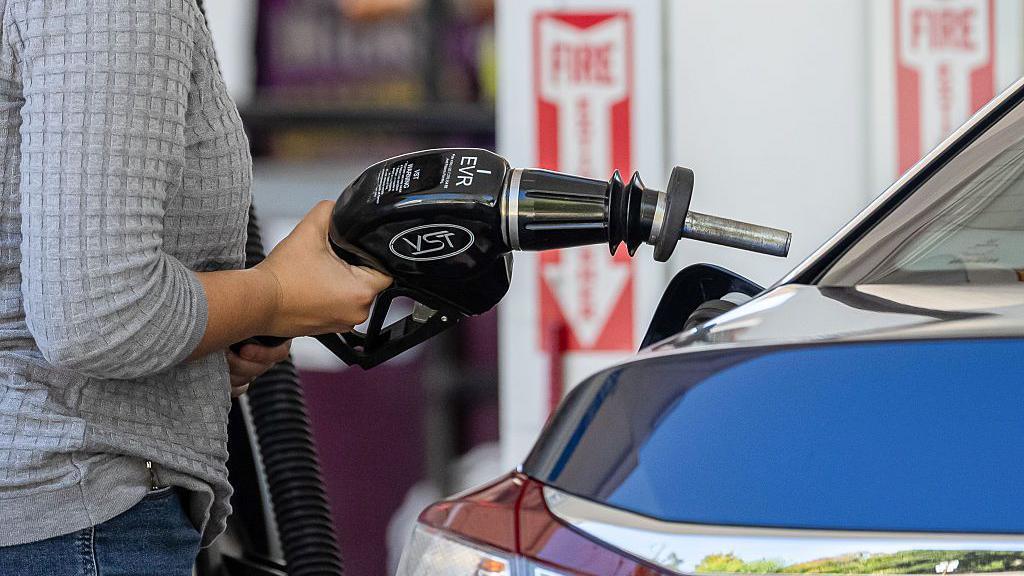
In the United Kingdom, fuel cuts have not stalled: the benchmark gas price sits at roughly 150 pence per therm, up from the late‑June 98p figure. United Kingdom petrol has risen to nearly £1.56 a litre, with diesel at £1.72 on average. U.S. gasoline prices have edged above $4 a gallon again, climbing from $3.92 last month.
Such moves reinforce the link between tightening supply and higher consumer prices. Rising oil yields higher petrol and diesel costs, while businesses pass on additional logistics expenses to shoppers, feeding into the broader inflationary cycle.
UK inflation has slipped to 2.6% in the year to June, aided by flatter diesel and petrol prices, while U.S. inflation sits at 3.5%. Nonetheless, experts question whether the deceleration is durable “with the renewed conflict in the Middle East” spurring continued risk.
Investment manager Jonathan Raymond of Quilter Cheviot notes that “more expensive fuel and energy can ripple through the wider economy, increasing costs for businesses and ultimately feeding into the price of food and other goods.” He adds that this creates a “headache for central banks” who continue to battle inflation, potentially keeping interest rates higher and harming borrowers.
The Bank of England has maintained its base rate at 3.75% across four recent meetings, with analysts suggesting a cut might move only after energy prices ease. Meanwhile, the U.S. Federal Reserve Chair Kevin Warsh has signalled no tolerance for persistently elevated inflation, reinforcing caution over rate cuts.
As oil prices remain volatile, central banks are likely to hold rates firm, placing extra pressure on mortgage holders and consumers facing rising fuel and goods costs.