In brief
Iceland’s referendum on resuming talks with the European Union has reached a shuddering dead‑line, based on 153,197 votes of a 270,000-strong electorate. The first totals show 50.1% rejecting the proposal and 49.9% supporting it, a razor-thin margin. Prime Minister Kristrún Frostadóttir – who had promised the vote before 2027 – has cast her own ballot, insisting the government will pursue its policy regardless of the outcome. The debate has largely centred on fishing rights and national security, with concerns over NATO ties, Ukraine’s war and even Donald Trump’s interest in Greenland adding to the stakes.
Iceland’s EU membership referendum is a razor‑thin battle, with the result still uncertain as counting continues.
So far 153,197 votes – less than a third of the 270,000 eligible voters – have been tallied, leaving 50.1% against the government’s proposal and 49.9% in favour, a difference of only 435 votes.
Prime Minister Kristrún Frostadóttir’s centre‑left government had promised a vote by 2027, but the timetable was brought forward amid heightened international tensions, including U.S. President Donald Trump’s overtures regarding Greenland. While these geopolitical pressures matter, the domestic debate has largely focused on fishing rights, a sector that accounts for nearly 40% of Iceland’s exports.
The referendum question was simple: “Should Iceland resume accession negotiations with the European Union?” A “Yes” vote would not immediately grant EU membership but would signal a move toward accession negotiations, subsequently needing a further referendum. A “No” would leave open the possibility of future talks, too.
Security concerns were not lost in the discussion; Iceland, a founding member of NATO, has no standing army and relies on allies for defence. The country has supported Ukraine amid Russia’s invasion, and officials have expressed alarm at Russia’s increased maritime activity near the island, while Trump’s interest in Greenland has raised additional stakes.
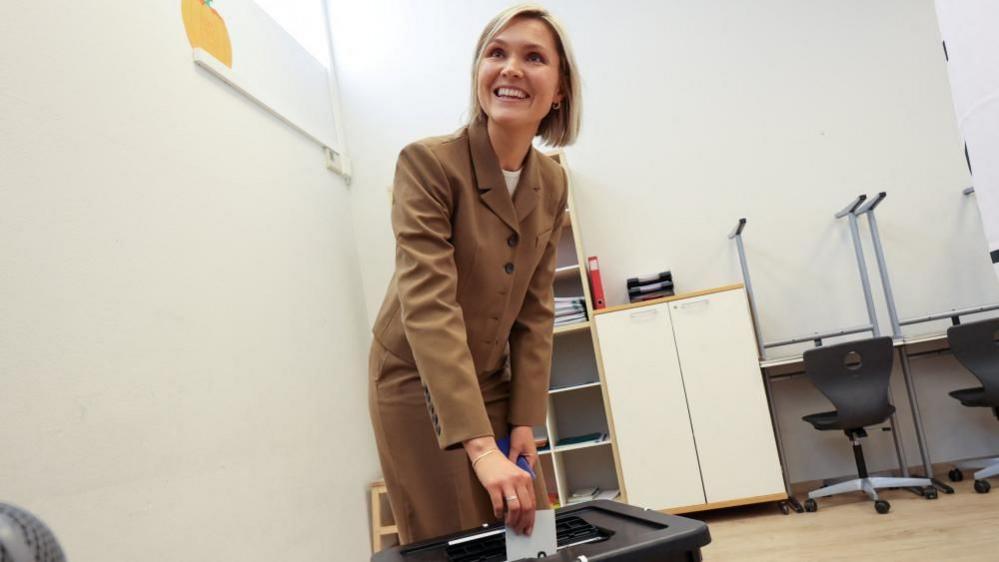
When Frostadóttir marked her ballot in Reykjavik, she said, “This is a great day – we’ve been waiting for this for years to be able to have a vote. Regardless of the outcome, our government will continue its work.”