In brief
US Army Secretary Dan Driscoll has stepped down after a tumultuous 18‑month tenure marked by clashes with Defence Secretary Pete Hegseth. The resignation follows a broader trend of high‑profile military leadership departures, including the Navy Secretary and several top Army generals. Driscoll, once dubbed President Trump’s “drone guy,” had championed emerging battlefield tech and played a key role in Ukraine negotiations. Reports indicate that disagreements over policy and personnel decisions precipitated the move. The shift signals shifting dynamics within Pentagon leadership as senior officers face scrutiny and restructuring.
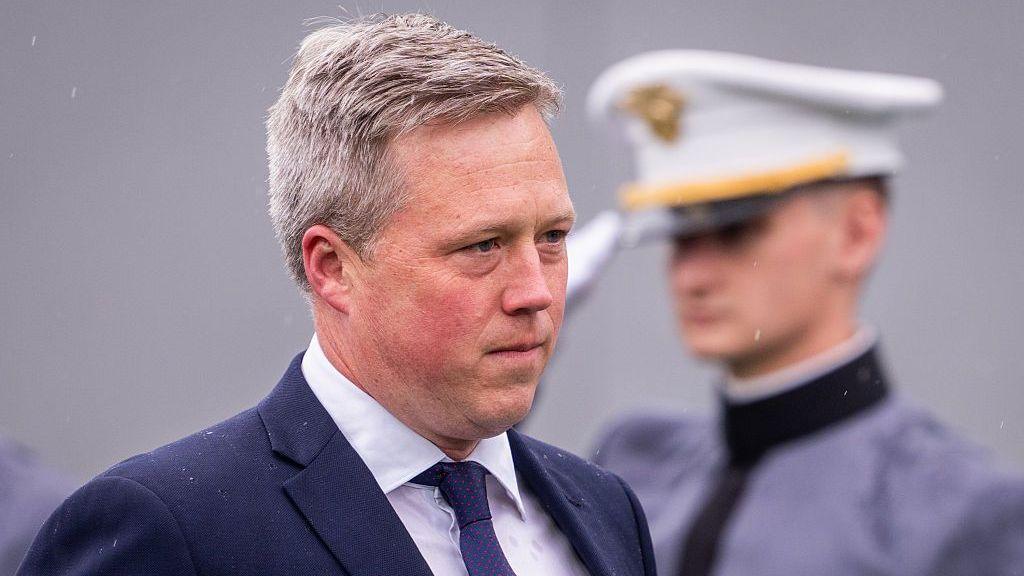
Dan Driscoll, the youngest-ever Army Secretary, has submitted his resignation after a 18‑month tenure that was marred by a prolonged power struggle with Defence Secretary Pete Hegseth. The departure was confirmed by CBS, the BBC’s US media partner, indicating that the split over policy and personnel decisions pushed Driscoll to step down.
For the past four years, Driscoll earned the moniker “drone guy” from President Donald Trump for his push to integrate unmanned aircraft into the Army’s arsenal. He also played a prominent role in the 2025 talks aimed at ending the Russia‑Ukraine war, meeting with President Volodymyr Zelensky and accompanying the Vice‑President at various overseas visits.
The resignation comes amid a wave of senior military exits. Earlier this year, Navy Secretary John Phelan abruptly quit, and other senior officers including Army Chief of Staff Randy George, General David Hodnely, and Major General William Green have also left their posts. Defence Secretary Hegseth has reportedly dismissed more than a dozen senior officers since stepping into his role, including the Navy Chief of Naval Operations and the Air Force’s vice‑chief of staff.
While details of the behind‑the‑scenes friction remain unclear, CBS has reported that Hegseth’s attempts to sideline Driscoll’s ally, retired Army Chief of Staff Randy George, contributed to escalating tensions. Driscoll’s abrupt resignation is expected to trigger a further reshuffle of senior Army leadership as the Pentagon seeks to restore cohesion within the armed forces.
The Army Secretary is the top civilian adviser on matters ranging from active duty forces to the National Guard and reserve soldiers. Driscoll’s career began in 2007 as a cavalry officer, with deployments to Iraq in 2009. His rapid rise and outspoken stance on modern warfare have made him a polarizing figure within Washington’s defense circles.
In the immediate aftermath of the resignation, the Pentagon announced plans to appoint a temporary acting secretary while the search for his successor continues. The new appointee is expected to bring a new perspective to the Army’s strategic direction and address the ongoing personnel disputes highlighted by Hegseth’s leadership style.