In brief
The U.S. and Iran have been locked in a volatile exchange of strikes and economic blockade, with no sign of a peaceful resolution. Three security analysts weigh the chances of a lasting cease‑fire, weighing the strategic use of sanctions and diplomatic pressure against hard‑liners in Tehran. While Washington seeks leverage, Tehran appears to be waiting for concessions that keep the regime intact. The experts suggest that any effective path to peace may hinge on a return to the March 2026 cease‑fire agreement and strategic patience from U.S. allies.
How could US‑Iran conflict end? Three experts give their views
The U.S. and Iran are locked in a continuous cycle of strikes and economic pressure, with the U.S. initiating a sweeping sanctions crackdown on Iran and its trade partners.
A 60‑day cease‑fire agreement signed in June expired, and the conflict has entered its seventh month. Journalists reached out to three experts to gauge how the situation might resolve.
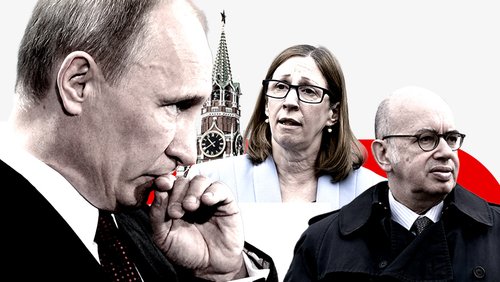
Jason Campbell, Senior Fellow at the Middle East Institute, Washington DC, remarks: "The US appears satisfied with a blockade and periodic strikes, yet the regime’s hardliners won’t back down easily. Economic pressure is aimed at pushing Iran to negotiate from a weaker position, but it remains uncertain whether this will yield a lasting resolution."
Dr. Aniseh Bassiri Tabrizi, Associate Fellow at Chatham House, London, notes: "Tehran is preparing for deeper economic squeeze but does not yet expect a shift in its calculations. They seem to be waiting for US concessions that could force a retreat from hard‑line tactics."
Nicholas Hopton, Distinguished Fellow at the Royal United Services Institute, suggests: "The US should return to the June cease‑fire deal—lifting sanctions could gradually weaken the IRGC and stabilize the regime, though it will take time and strategic patience from allies."
The analysts agree that without a real political solution, the conflict will remain unresolved. Any lasting cease‑fire hinges on diplomatic negotiations rather than military escalation.