In brief
A Saudi‑owned supertanker Sidr was struck by projectiles north of Oman’s Musandam Peninsula during a security incident, killing two Filipino crew members. Bahri confirmed the hit and the loss of life. The incident follows a broader flare‑up in the Strait of Hormuz, where Iranian forces have targeted commercial vessels and U.S. positions. Iran has not replied to the allegation and denies involvement, citing prior attacks it claims were in response to vessels using “unauthorized” routes. The strike underscores the peril of shipping lanes that carry a fifth of world oil through a chokepoint under persistent threat.
Incident Overview
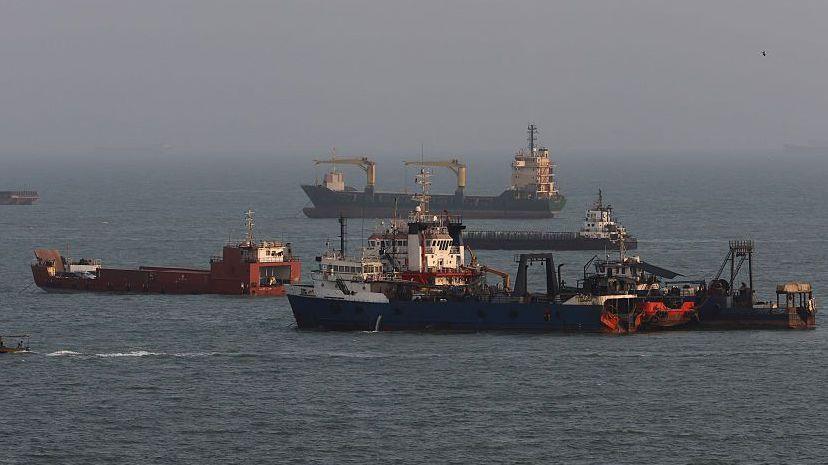
Saudi national shipping company Bahri confirmed that its supertanker Sidr was struck by unknown projectiles north of Oman's Musandam Peninsula while transiting the Strait of Hormuz. The incident occurred around 23:40 local time (19:40 GMT) on Monday night and resulted in the deaths of two Filipino crew members.
The attack on Sidr followed a concurrent incident on the South‑Korean‑owned supertanker Senegal Prosperity, which was hit by three projectiles east of Musandam. Both incidents were flagged by maritime intelligence firms Marisks and Kpler, and reported by the UK Maritime Trade Operations agency.
Background and Context
Iran has not responded to the Saudi allegation. Earlier this week, the Islamic Revolutionary Guard Corps (IRGC) said two tankers had struck mines after following an unauthorized route through the strait and were now on fire. The region is still hot‑wired by U.S. air strikes on Iranian forces and Iranian missile and drone attacks on commercial ships and U.S. bases, marking the fiercest exchange of fire since late July.
Saudi Arabia condemned the attack and urged an end to escalation, emphasizing the need to respect international law and the safety of global energy supplies. Meanwhile, the Strait of Hormuz remains critically important, carrying about a fifth of world oil traffic. The strait has effectively been blocked since the start of the U.S.‑Israel war with Iran in February, with periodic attempts at reopening hampered by further attacks and blockades.
Implications
The loss of Filipino sailors in this incident underscores the human cost of the conflict for civilian maritime crews. The clash also highlights the fragility of international shipping lanes in the region, which face continuous threats from both state and non‑state actors. Continued instability could have far‑reaching economic repercussions, affecting oil markets and global trade routes.