In brief
NASA's Artemis II mission is set to launch soon, marking the first crewed voyage to the moon since the Apollo program. The upcoming mission will see astronauts test their life-support systems and gather valuable data while orbiting the moon safely. Unlike its predecessor, Artemis II will have a diverse crew, reflecting a more inclusive approach as they aim for lasting exploration efforts on the lunar surface. The mission symbolizes a significant evolution in NASA's effort to establish a human presence on the moon and prepare for further interplanetary travel.
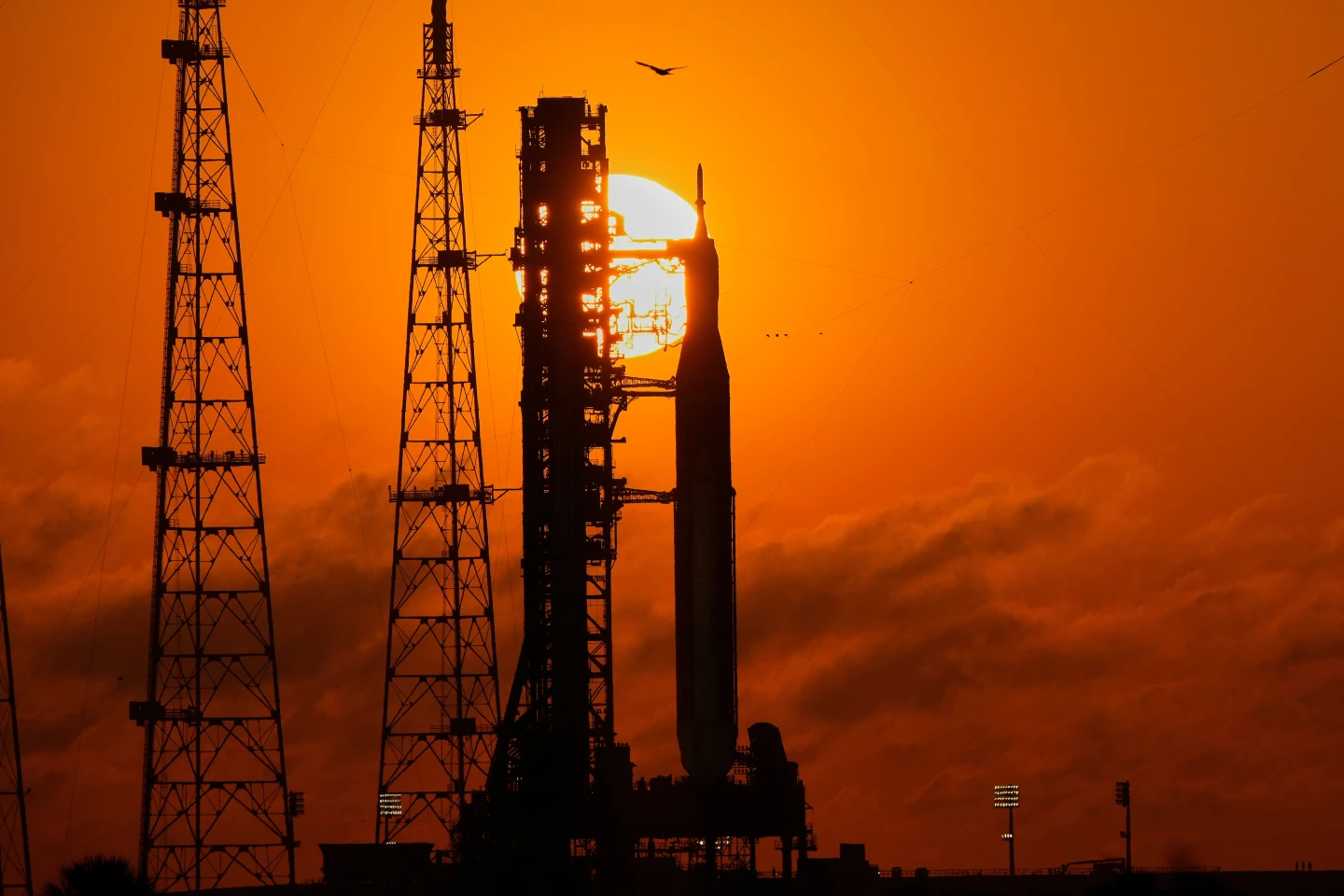
CAPE CANAVERAL, Fla. — NASA is gearing up for its historic Artemis II mission, which will see four astronauts embark on mankind's first journey to the moon in over 50 years. As they prepare to launch, comparisons with the legendary Apollo program are unavoidable, highlighting both the similarities and transformations in lunar exploration.
The Artemis II crew, consisting of diverse members, prepares for a mission that is as much about safety as it is about pioneering new ground. Their primary goal is to conduct a flyby of the moon, testing the Orion spacecraft's life-support systems. Unlike Apollo’s direct lunar landings, this mission aims to build upon foundational knowledge and skills.
Nasa’s Artemis continues to transcend boundaries set by its predecessors. As Julie Kostick, one of the Artemis II astronauts, stated, the crew's diversity encapsulates a broader societal representation, highlighting how far exploration has come since the Apollo era.
The Path Forward
The upcoming mission marks a shift in NASA's approach to space exploration, reflecting lessons learned from decades of progress and challenges. While the Apollo program achieved remarkable feats in rapid succession, Artemis has encountered delays but remains committed to thoughtfully preparing for sustainable lunar operations.
This year, the crew's mobilization and testing are set against a backdrop of emerging technological advancements. Partnering with private companies such as SpaceX and Blue Origin illustrates a collaborative future in space exploration.
A New Competitive Landscape
The race for lunar exploration has taken on new dimensions; China’s advances, such as landing on the moon's far side, have prompted renewed urgency at NASA. The agency aims to secure a foothold in the lunar south pole region, where ice reserves may yield critical resources for future missions to Mars and beyond.
As the Artemis II mission approaches its launch window, anticipated for early April, it symbolizes both a continuation of humanity's space odyssey and the promise of new frontiers waiting to be explored.