Elon Musk Makes History, Becomes First Trillionaire as SpaceX Debuts
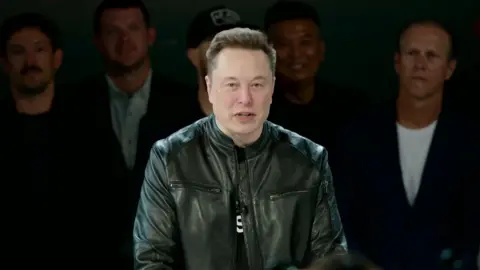
Elon Musk entered the $1 trillion club on Friday after SpaceX’s unprecedented public listing saw its shares soar on the Nasdaq, turning Musk’s net worth to $1.11 trillion according to Bloomberg.
The SpaceX IPO raised $75 billion in capital and nominally priced shares at $135 each, but trading opened at $150 and at one point briefly hit $176.50, a result of intense demand for Musk’s space and technology empire.
Musk’s 42 % ownership stake in SpaceX now gives him unilateral control over the company’s direction, with his shares in the firm worth $767 million at market close and additional options worth $53.8 billion. His holdings also include $168 billion in Tesla stock and $116.4 billion in Tesla options.
The trillionaire milestone has sparked a global debate on wealth inequality, as Musk’s fortune now approximates the collective economic output of entire countries such as Poland or Switzerland. Politicians and economists have called for targeted wealth taxes, while critics point to Musk’s influence over policy and public spending, noting his interventions in U.S. and UK governance.
SpaceX’s valuation is largely speculative, hinging on future earnings from reusable rockets, Starlink satellite services, and an emerging AI business acquired in 2024. Despite losing more than $9 billion in 2025‑26, the company’s founders and employees are expected to become millionaires through stock options granted as part of compensation.
Investors remain bullish on SpaceX’s vision—“he’s reaching for the stars” according to Wealth Club’s Susannah Streeter—yet caution that price dynamics may be driven more by hype than fundamentals. Pension funds and savings accounts that hold index‑linked shares could face volatility as the company’s stock swings with market sentiment and regulatory scrutiny.
With SpaceX aiming to build a “lunar economy” and even speculating on orbit‑based data centers, the company’s long‑term feasibility remains uncertain. Company spokespersons warn that many initiatives involve complex, unproven technologies, and that commercial viability is not guaranteed.
The IPO’s success has also placed SpaceX among the most powerful tech firms, drawing protests and political headlines, as well as heightened public interest in the space era. The debate continues whether Musk’s trillion-dollar throne is a symbol of technological advancement or a marker of mounting inequality in the global economy.