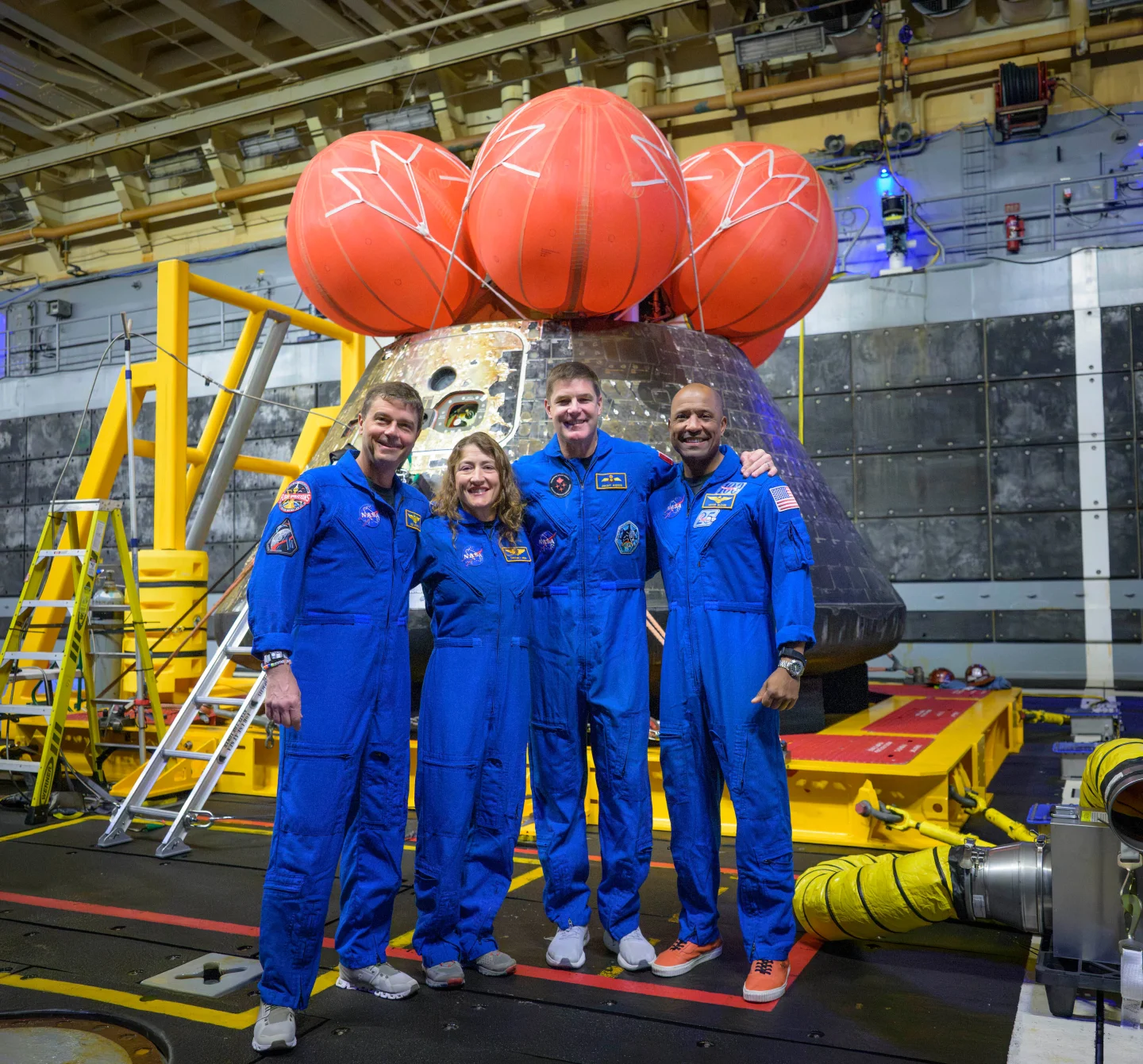
Nasa's Artemis II mission has successfully sent four astronauts sweeping around the far side of the Moon and landed them safely back home.
The Orion spacecraft performed admirably, and the images the astronauts captured have delighted a whole new generation about the possibilities of space travel.
But does this mean that the children enthralled by the mission will be able to live and work on the Moon in their lifetimes? Perhaps even go to Mars, as the Artemis programme promises?
It seems churlish to say, but looping the Moon was relatively easy. The really hard part lies ahead, so the answer is 'maybe, maybe not.'
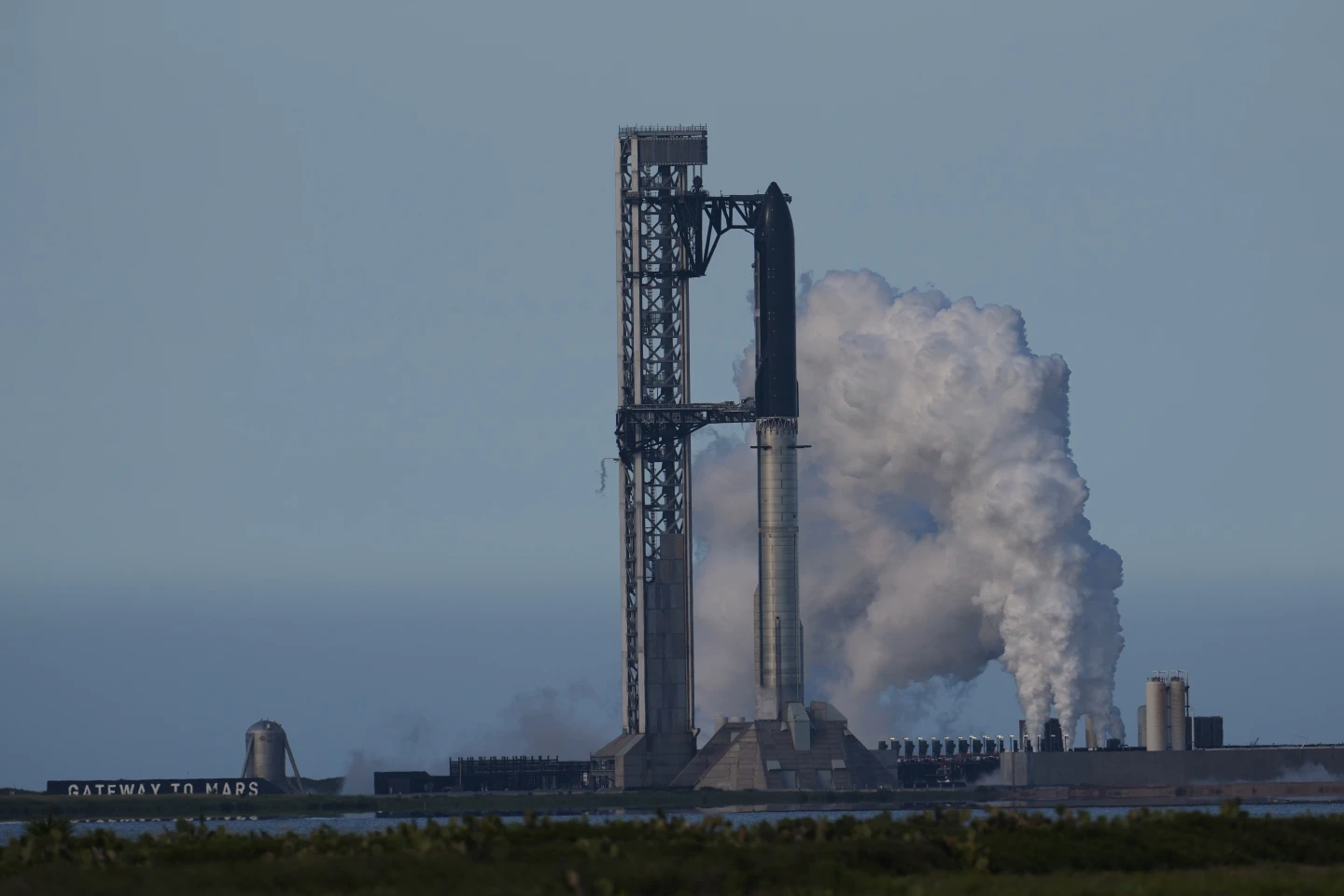
To get boots on the lunar surface, Nasa needs a lander. The US space agency has contracted two private companies to build them: Elon Musk's SpaceX and Jeff Bezos's Blue Origin, both of which are behind schedule.
Nasa's own Office of Inspector General laid out the picture starkly in a report published on 10 March. SpaceX's lunar Starship is at least two years behind its original delivery date, with further delays expected. Both companies face significant hurdles, making the ambitious timeline for future missions increasingly uncertain.
NASA has maintained a target for a lunar landing in 2028, but experts express doubt over the feasibility. Concurrently, China is poised to enter the lunar arena, further complicating the U.S. objectives.
As the next Artemis mission prepares for mid-2027, challenges remain daunting. The journey to Mars brings even larger obstacles, as experts forecast human exploration of the Red Planet could still be decades away. As interest grows in space exploration, the landscape is evolving rapidly, showcasing private sector contributions and international partnerships.
Nasa has rekindled excitement around lunar exploration with Artemis II, but ultimately, the agency must overcome significant engineering challenges to make a sustained human presence beyond Earth a reality.