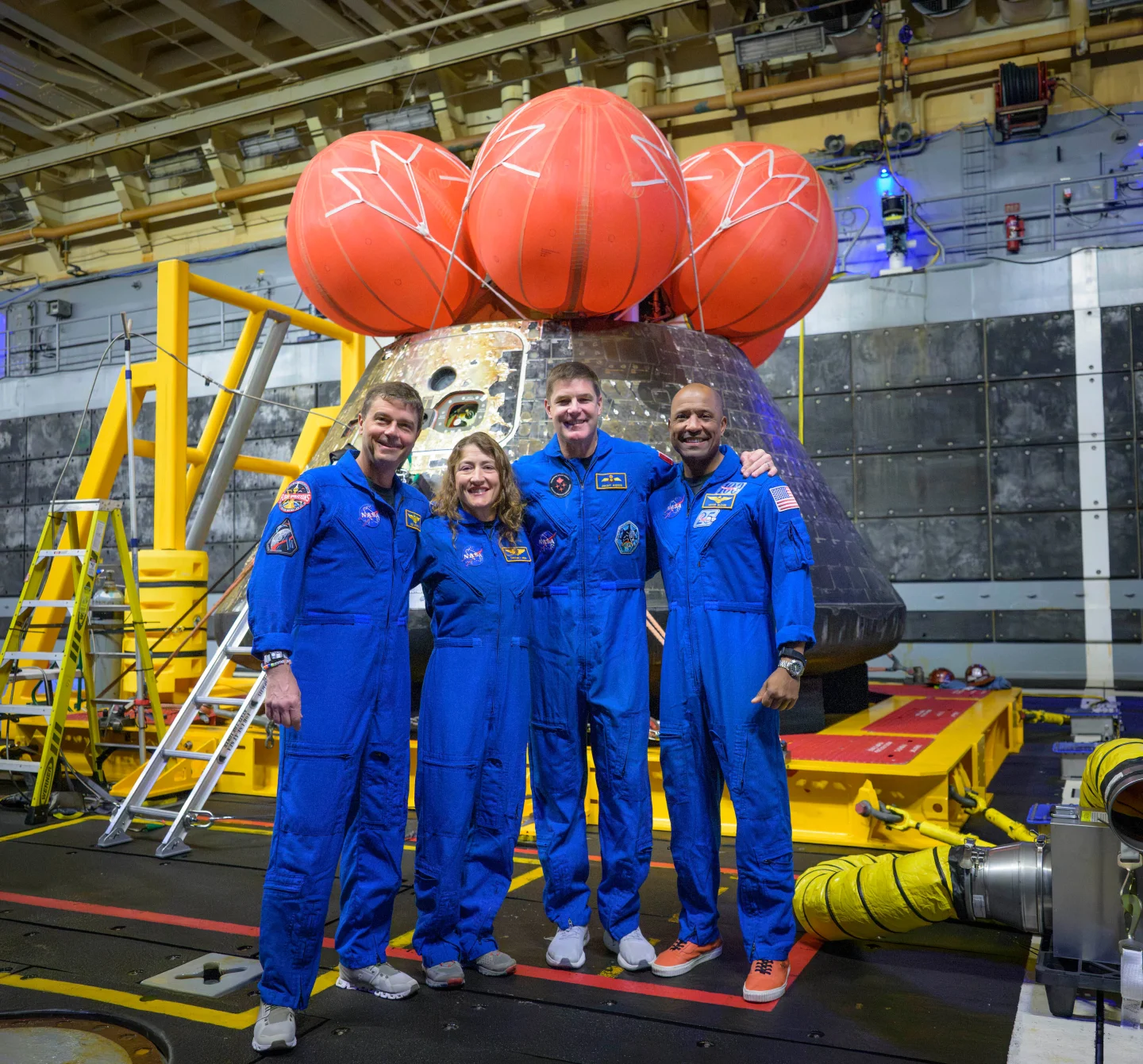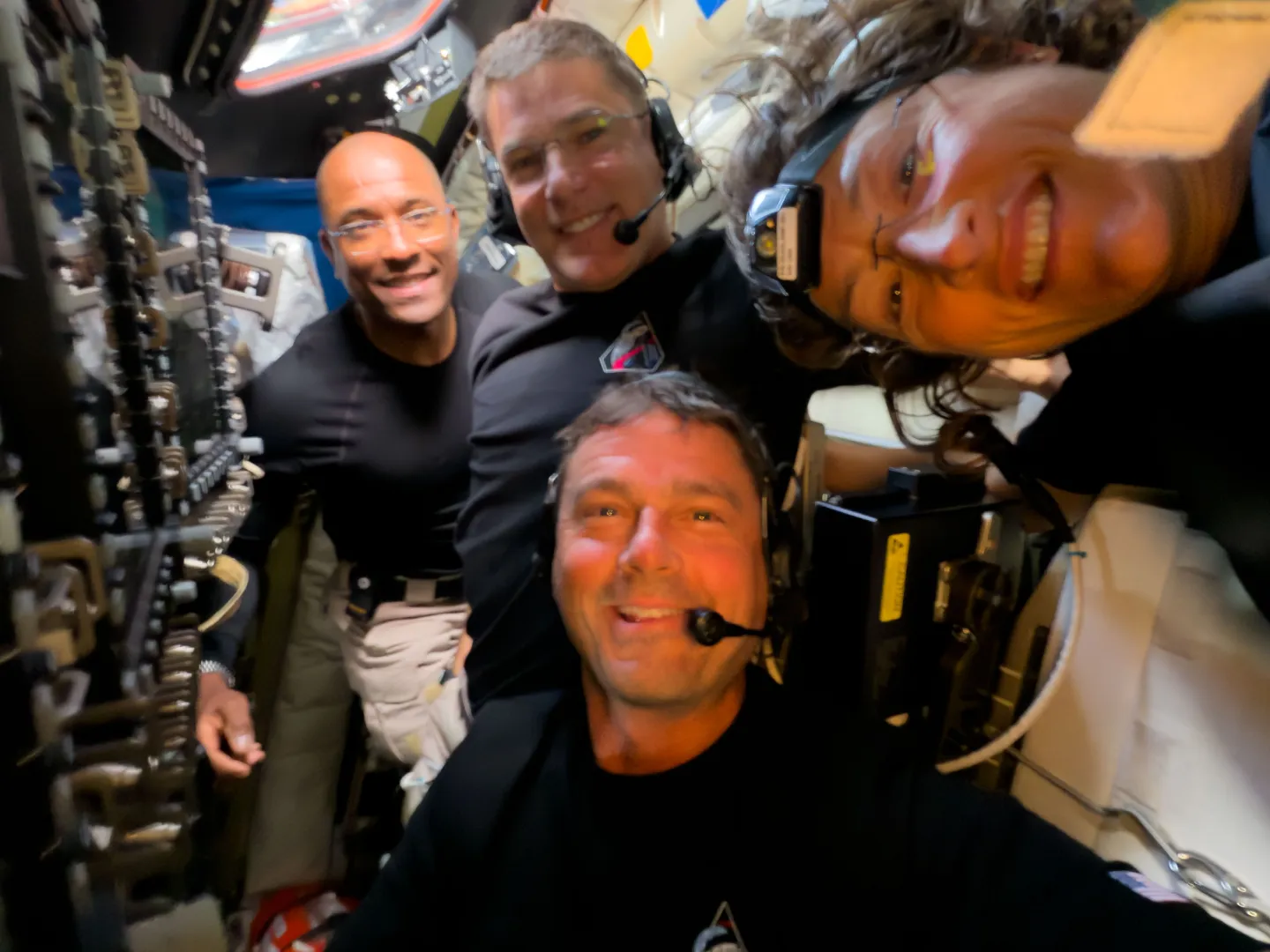
HOUSTON (AP) — As they draw closer to Earth, the Artemis II astronauts have been preparing their lunar cruiser for the upcoming reentry while reflecting on their groundbreaking journey around the moon, calling it both surreal and profound.
With just under 150,000 miles (240,000 kilometers) remaining to their home planet as they enter the penultimate stage of their flight, the crew—comprising pilot Victor Glover, commander Reid Wiseman, Christina Koch, and Canada’s Jeremy Hansen—expressed enthusiasm for the data and experiences they will bring back. We have to get back. There’s so much data that you’ve seen already, but all the good stuff is coming back with us, said Glover.
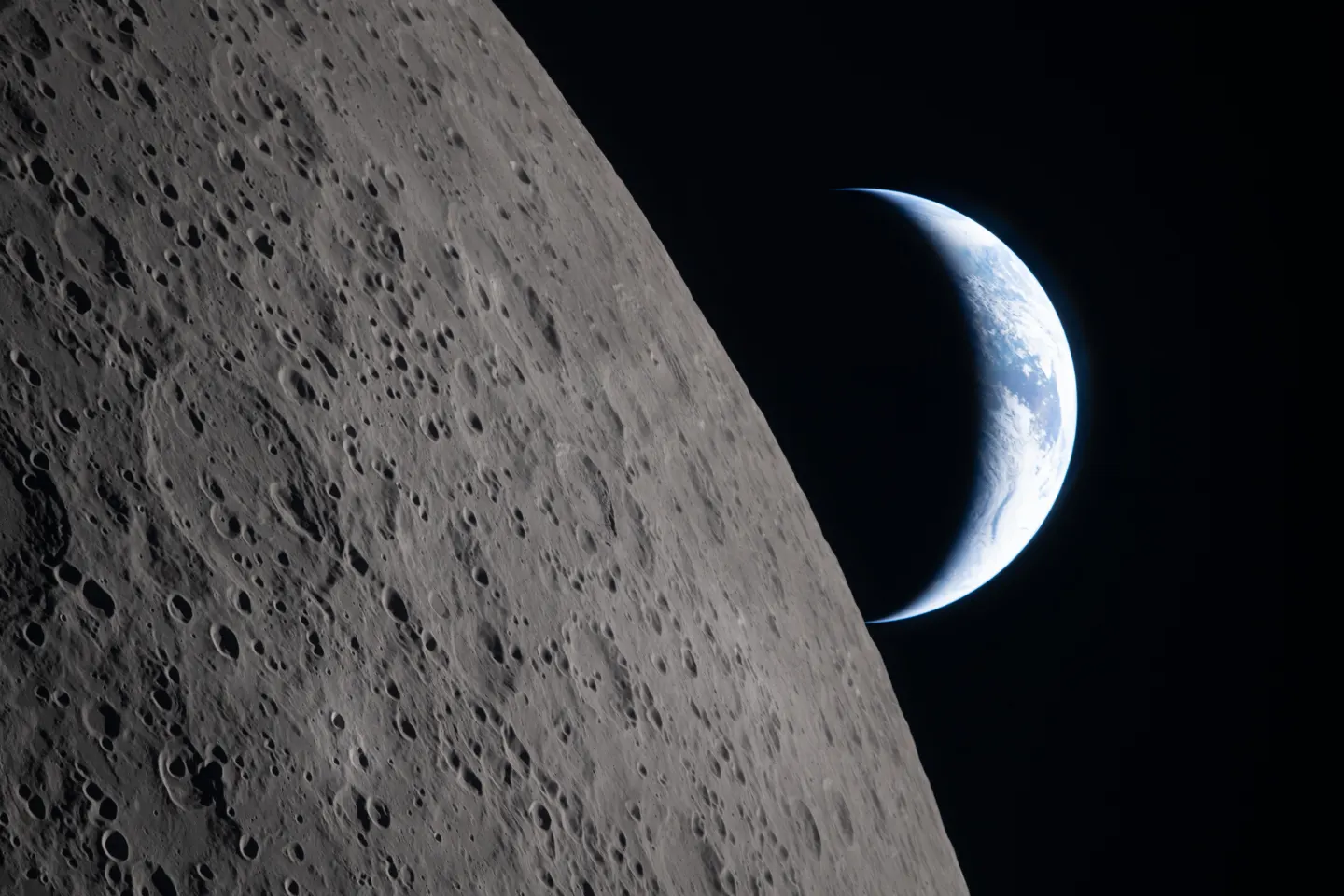
Wiseman shared insights on the unique experience they had being out of contact with Earth while moving behind the moon, describing it as a true gift. During this phase, they made history by reaching a record distance of 252,756 miles (406,771 kilometers) from Earth.
The mission has culminated in awe-inspiring moments, including witnessing a total solar eclipse as they emerged from behind the moon. Glover noted that while launching from Florida reduced visibility on the lunar far side, the eclipse was a remarkable consolation prize, calling it “one of the greatest gifts.”
As they prepare for Friday’s reentry into Earth’s atmosphere and a splashdown in the Pacific Ocean, a significant military operation is put in place, including the USS John P. Murtha. This mission marks the first collaboration between NASA and the Defense Department for a lunar crew’s reentry since Apollo 17 in 1972.
The Orion capsule will reenter at a staggering 34,965 feet per second (23,840 mph), and Mission Control is keenly monitoring how the heat shield withstands the intense heat of reentry, which reached up to 5,000 degrees Fahrenheit (2,760 degrees Celsius) during its previous uncrewed flight.
As Artemis II concludes its nearly 10-day mission, NASA officials remain focused on the risks associated with reentry, crucial to ensuring the crew's safe return home. We’re down to the wire now, remarked NASA's Lakiesha Hawkins, emphasizing the importance of bringing the crew back safely.
Looking ahead, upcoming missions including Artemis III and IV are set to advance human presence on the lunar surface, hoping to establish a sustainable lunar base by 2028.