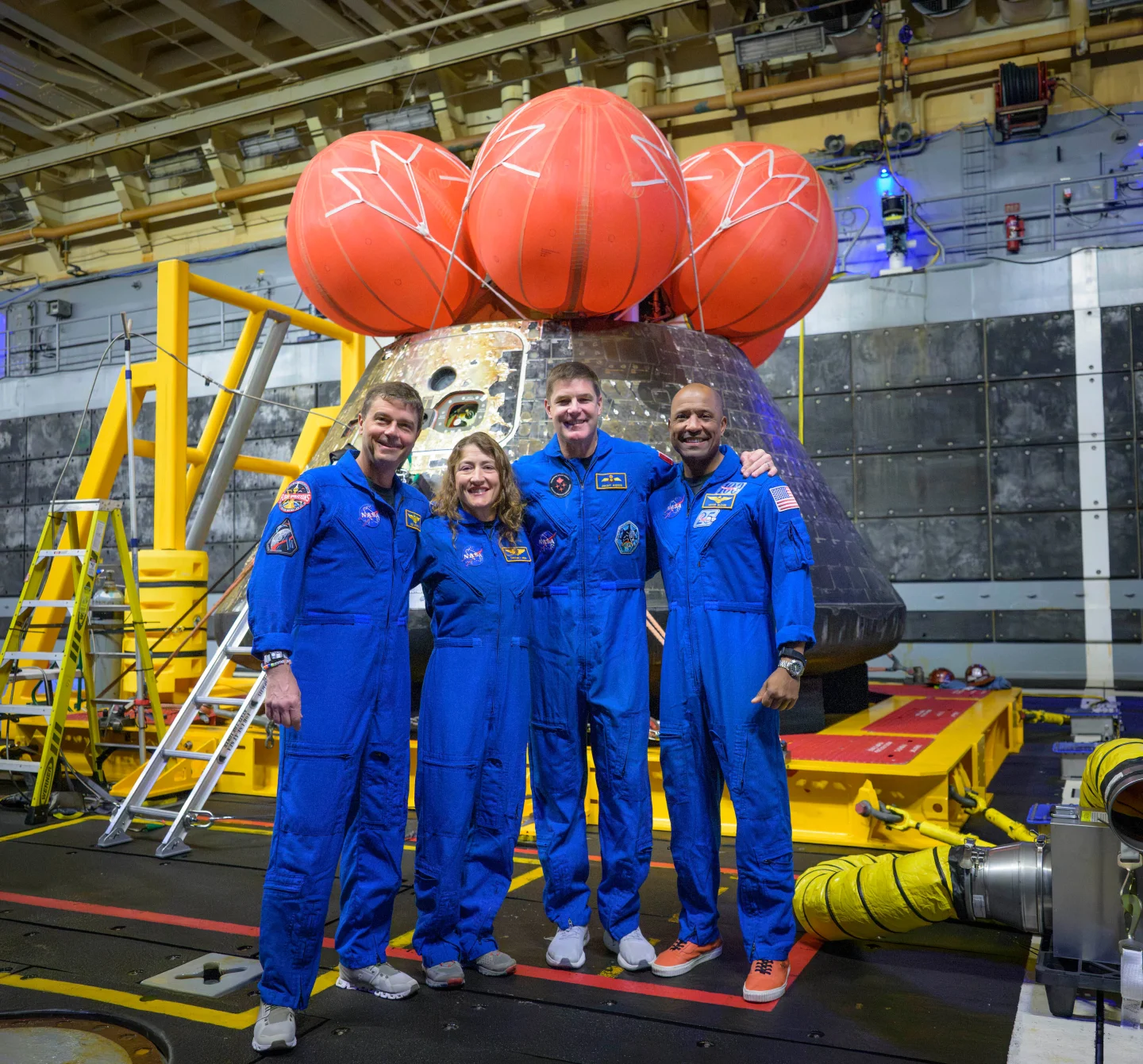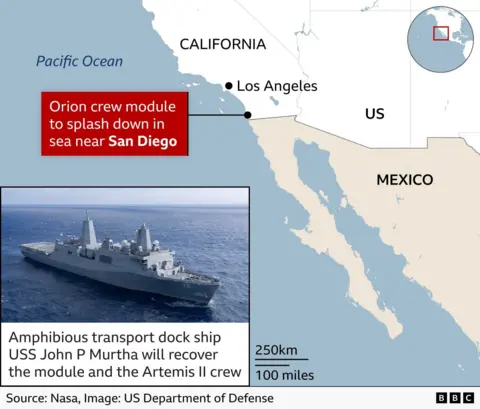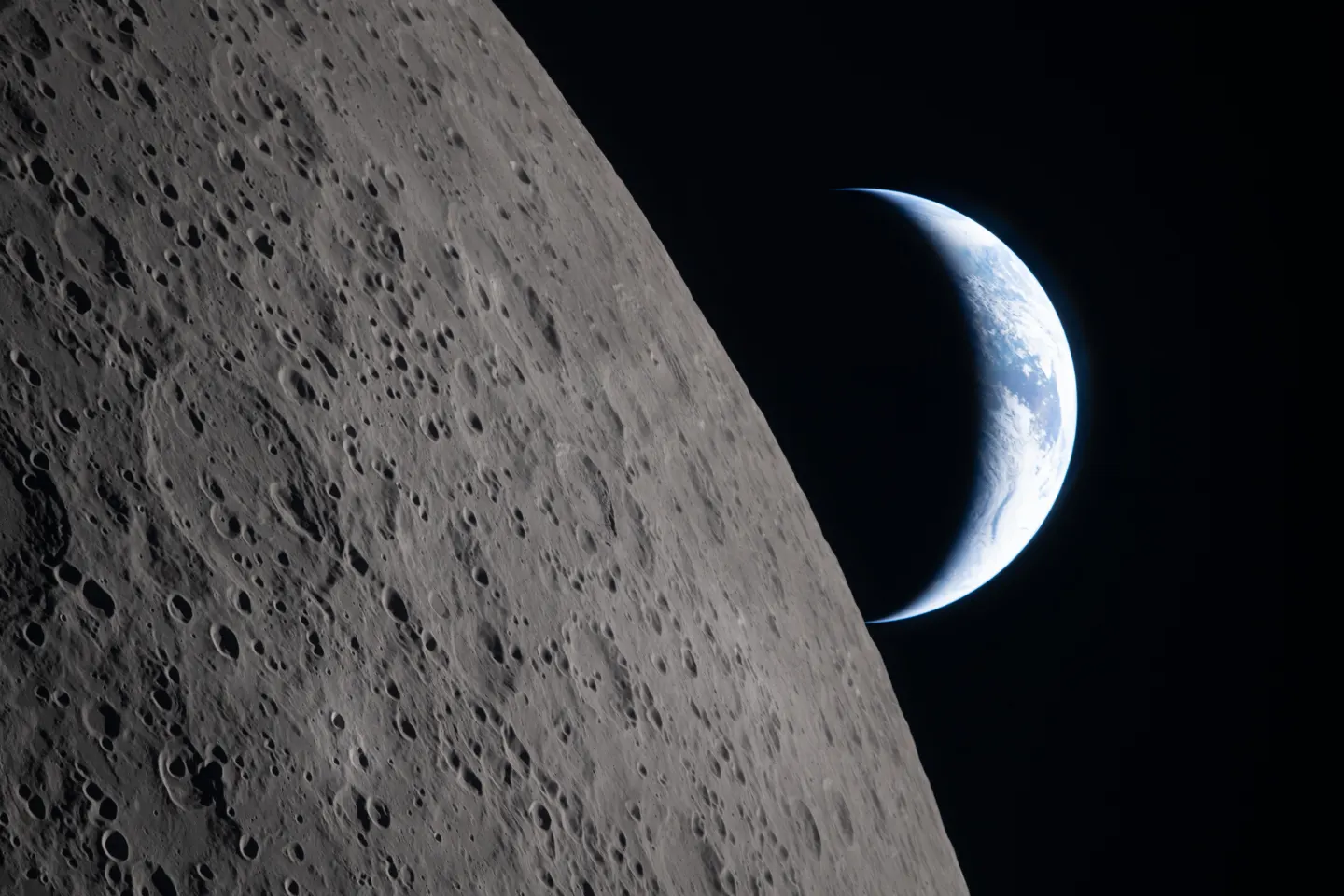
NASA's Artemis II mission has successfully sent four astronauts sweeping around the far side of the Moon and landed them safely back home. The Orion spacecraft performed admirably and the images the astronauts captured have delighted a whole new generation about the possibilities of space travel. But does this mean that the children enthralled by the mission will be able to live and work on the Moon in their lifetimes? Perhaps even go to Mars, as the Artemis programme promises?
It seems churlish to say, but looping the Moon was relatively easy. The really hard part lies ahead, so the answer is 'maybe, maybe not'. NASA's stated ambition is different this time: Administrator Jared Isaacman has plans for one crewed lunar landing per year from 2028, with the fifth Artemis mission marking the start of a Moon base.
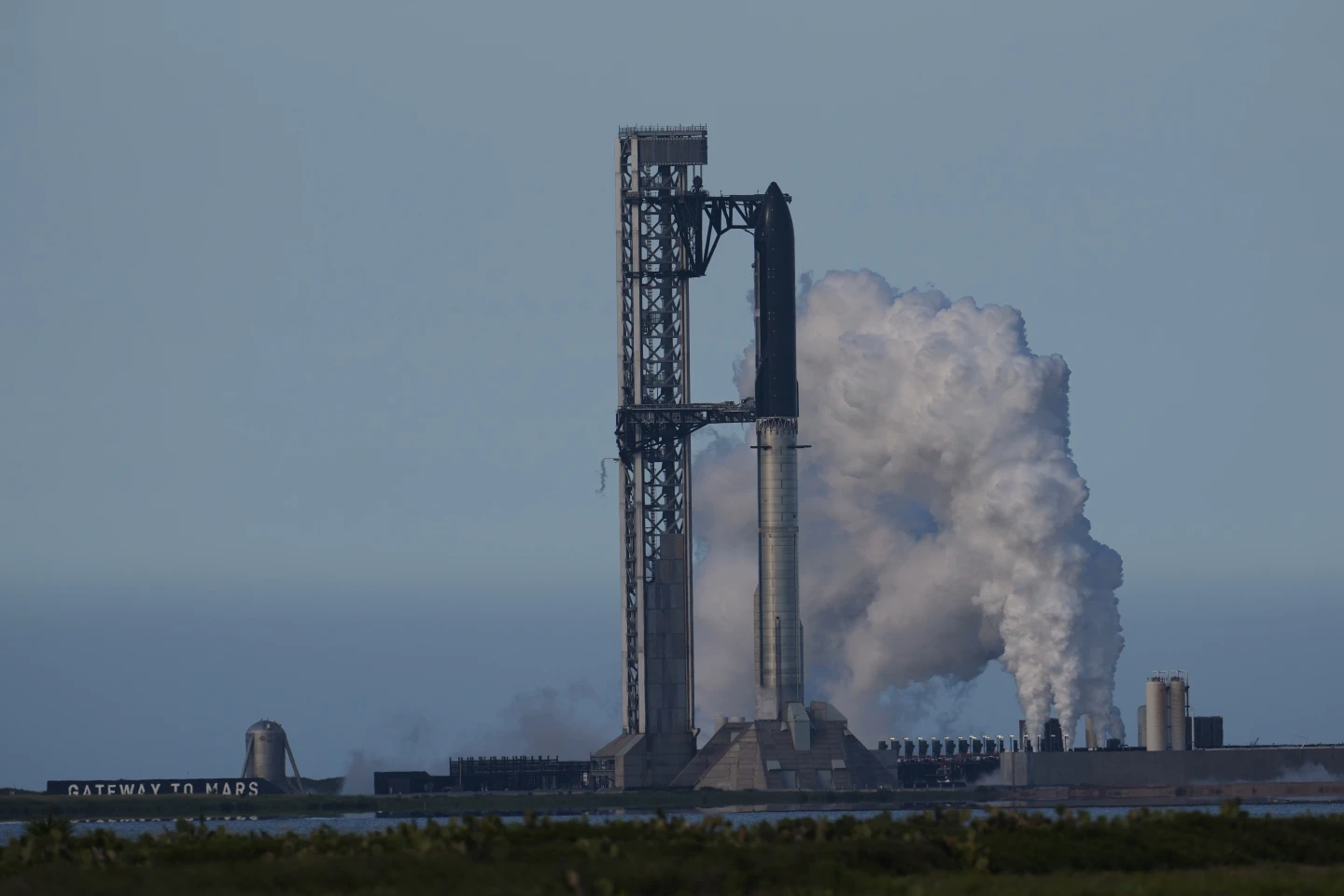
Yet to achieve this, NASA needs reliable landers. Contracts with SpaceX and Blue Origin to develop lunar landers are behind schedule; NASA's Office of Inspector General has highlighted that the lunar Starship is already two years late and Blue Moon is eight months overdue. These ambitious projects require complex logistical support, including a propellant depot in Earth orbit, which will demand meticulous engineering solutions.
Complicated refueling operations in space represent another steep challenge for the Artemis programme, one that experts warn will be extraordinarily difficult. Meanwhile, competition from China could hasten lunar landings if NASA fails to meet its schedule.
As humanity aims for Mars beyond the Moon, the journey holds challenges that dwarf lunar missions, with experts suggesting initial manned missions might be delayed to the 2040s.
Despite the hurdles, the Artemis II has revitalized enthusiasm for human spaceflight. Private companies are pushing forward in rocket and lander development, ushering in a renewed era of international collaboration in space exploration.
It seems churlish to say, but looping the Moon was relatively easy. The really hard part lies ahead, so the answer is 'maybe, maybe not'. NASA's stated ambition is different this time: Administrator Jared Isaacman has plans for one crewed lunar landing per year from 2028, with the fifth Artemis mission marking the start of a Moon base.
Yet to achieve this, NASA needs reliable landers. Contracts with SpaceX and Blue Origin to develop lunar landers are behind schedule; NASA's Office of Inspector General has highlighted that the lunar Starship is already two years late and Blue Moon is eight months overdue. These ambitious projects require complex logistical support, including a propellant depot in Earth orbit, which will demand meticulous engineering solutions.
Complicated refueling operations in space represent another steep challenge for the Artemis programme, one that experts warn will be extraordinarily difficult. Meanwhile, competition from China could hasten lunar landings if NASA fails to meet its schedule.
As humanity aims for Mars beyond the Moon, the journey holds challenges that dwarf lunar missions, with experts suggesting initial manned missions might be delayed to the 2040s.
Despite the hurdles, the Artemis II has revitalized enthusiasm for human spaceflight. Private companies are pushing forward in rocket and lander development, ushering in a renewed era of international collaboration in space exploration.