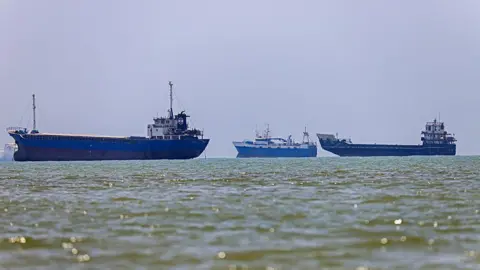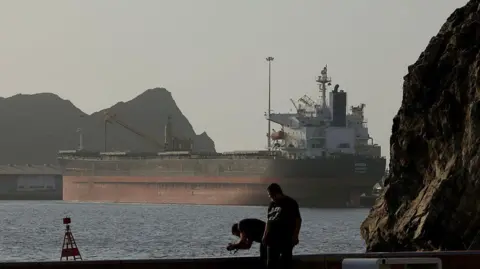
Global oil prices rose in Monday morning trade in Asia after President Donald Trump said the US has intercepted and seized an Iran-flagged cargo ship. This statement follows Iran's announcement on Saturday regarding the closure of the Strait of Hormuz waterway to commercial vessels, warning that any approaching ships would be targeted.
As a result of these developments, Brent crude futures have surged by 4.74% reaching $94.66 per barrel, whereas West Texas Intermediate has climbed 5.6% to $88.55.
Energy markets have exhibited substantial volatility since the US and Israel attacked Iran on February 28, provoking Iran’s threats towards shipping in the strategic strait that accommodates about 20% of global oil and liquefied natural gas transportation.
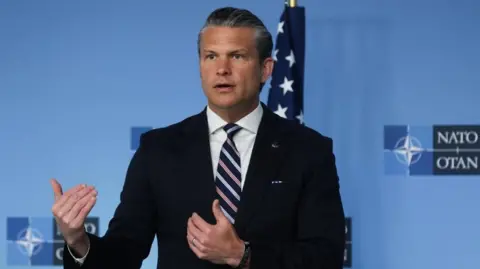
Earlier, Trump indicated that US representatives would be negotiating in Pakistan the same day, with Vice-President JD Vance heading the delegation. However, Iranian state media reported Tehran's lack of plans to engage in these talks, leaving their position unclear.
Analyst Saul Kavonic from MST Marquee remarked that oil markets have been responding to tweets and communications from both the US and Iran rather than tangible on-ground realities, complicating swift oil flow resumption.
The Strait of Hormuz was still closed as of Sunday following an announcement from Iran's Islamic Revolution Guard Corps. They had earlier resumed operations only to close it again, citing the US blockade as a violation of their ceasefire agreement. Trump affirmed the continuation of the naval blockade until a mutually beneficial deal is established between the two nations.
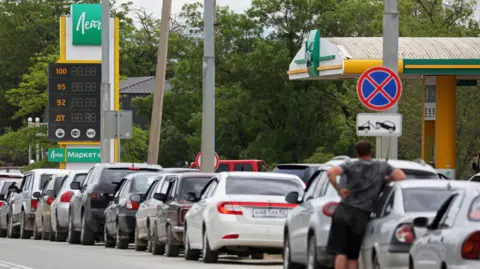
This ongoing conflict has incited a global energy crisis, driving prices up drastically and resulting in fuel shortages across various countries. In particular, Asian nations, which typically depend on imports passing through the Strait of Hormuz, have been significantly affected, with some governments taking drastic measures such as reducing working weeks and introducing national holidays to conserve energy supplies.
As a result of these developments, Brent crude futures have surged by 4.74% reaching $94.66 per barrel, whereas West Texas Intermediate has climbed 5.6% to $88.55.
Energy markets have exhibited substantial volatility since the US and Israel attacked Iran on February 28, provoking Iran’s threats towards shipping in the strategic strait that accommodates about 20% of global oil and liquefied natural gas transportation.
Earlier, Trump indicated that US representatives would be negotiating in Pakistan the same day, with Vice-President JD Vance heading the delegation. However, Iranian state media reported Tehran's lack of plans to engage in these talks, leaving their position unclear.
Analyst Saul Kavonic from MST Marquee remarked that oil markets have been responding to tweets and communications from both the US and Iran rather than tangible on-ground realities, complicating swift oil flow resumption.
The Strait of Hormuz was still closed as of Sunday following an announcement from Iran's Islamic Revolution Guard Corps. They had earlier resumed operations only to close it again, citing the US blockade as a violation of their ceasefire agreement. Trump affirmed the continuation of the naval blockade until a mutually beneficial deal is established between the two nations.
This ongoing conflict has incited a global energy crisis, driving prices up drastically and resulting in fuel shortages across various countries. In particular, Asian nations, which typically depend on imports passing through the Strait of Hormuz, have been significantly affected, with some governments taking drastic measures such as reducing working weeks and introducing national holidays to conserve energy supplies.