For months Hamas has been a vaulted foe of Israel, but a fresh U.S.‑backed plan is turning that perception on its head. The proposal, which investors say is a “rare glimmer,” would require Hamas to give up its weapons while Israel‑forces pull back roughly 70 % of their Gaza presence in return.
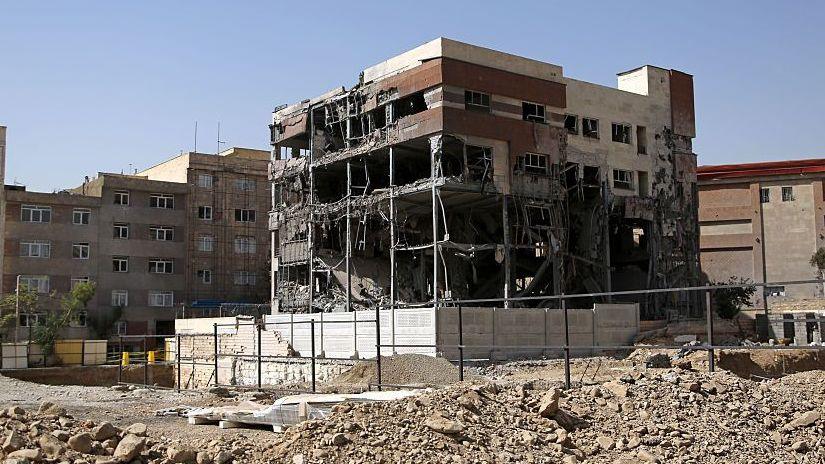
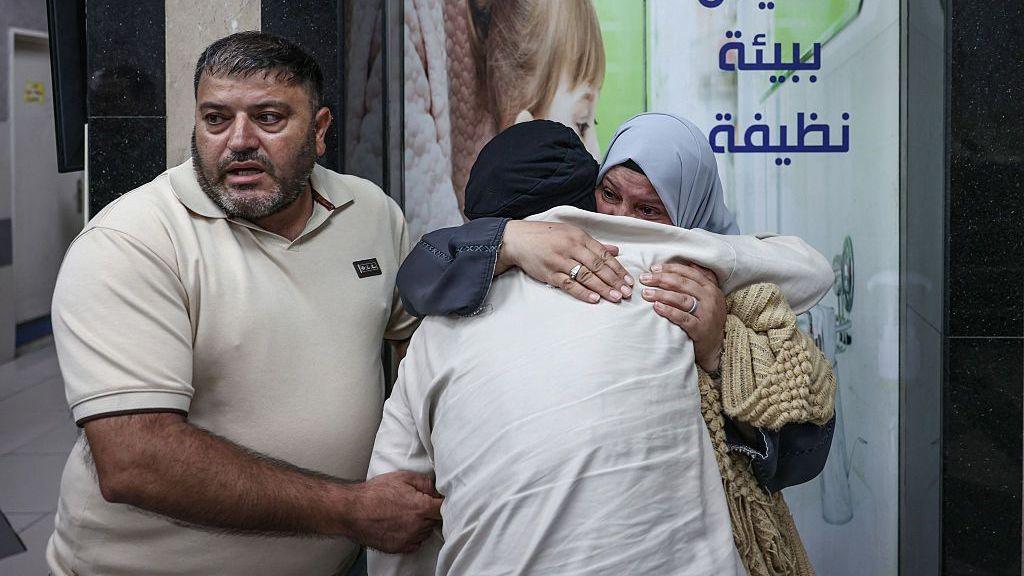
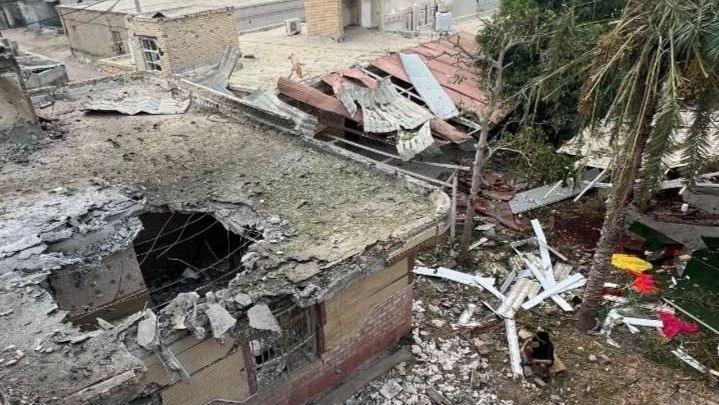
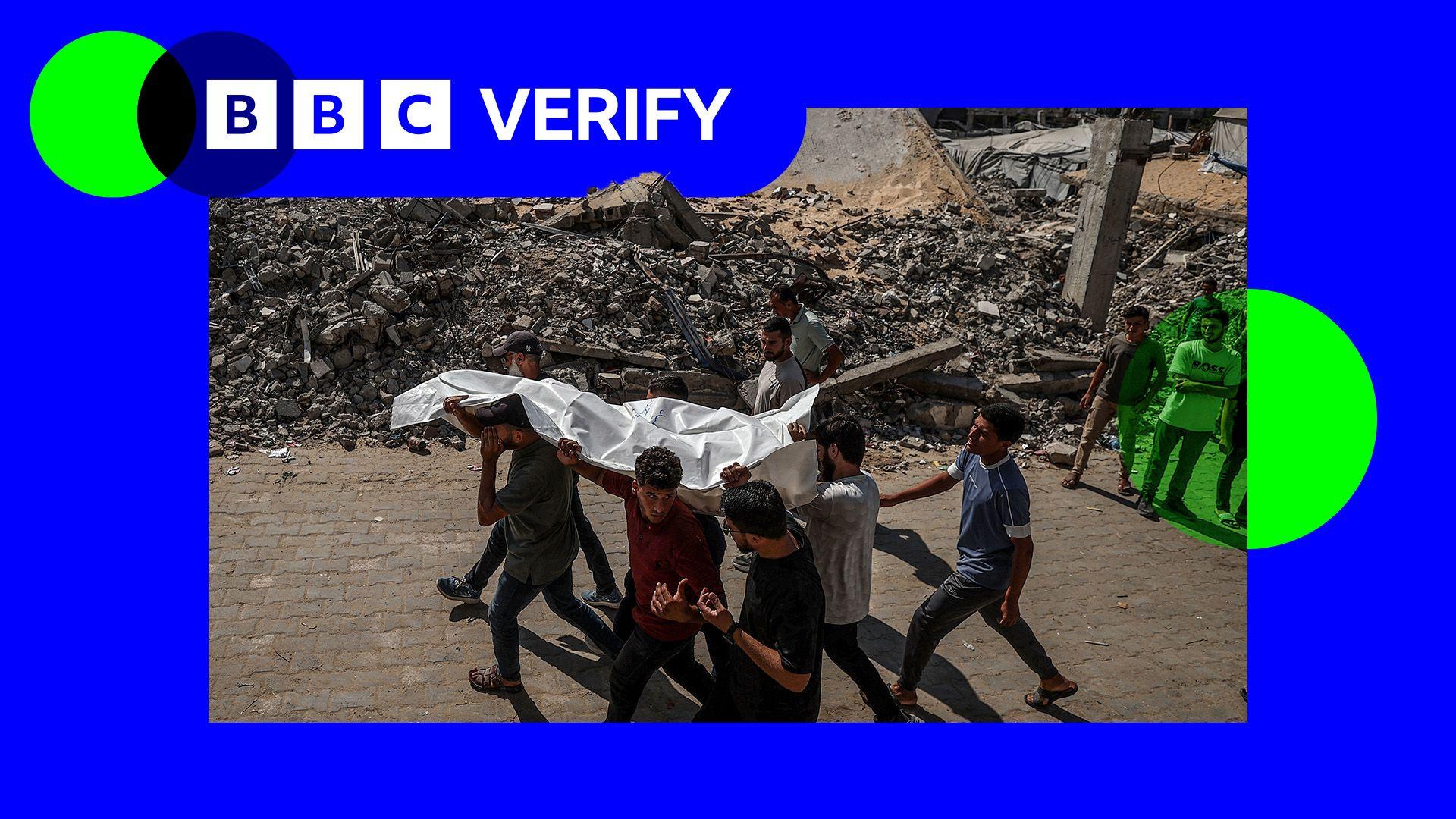
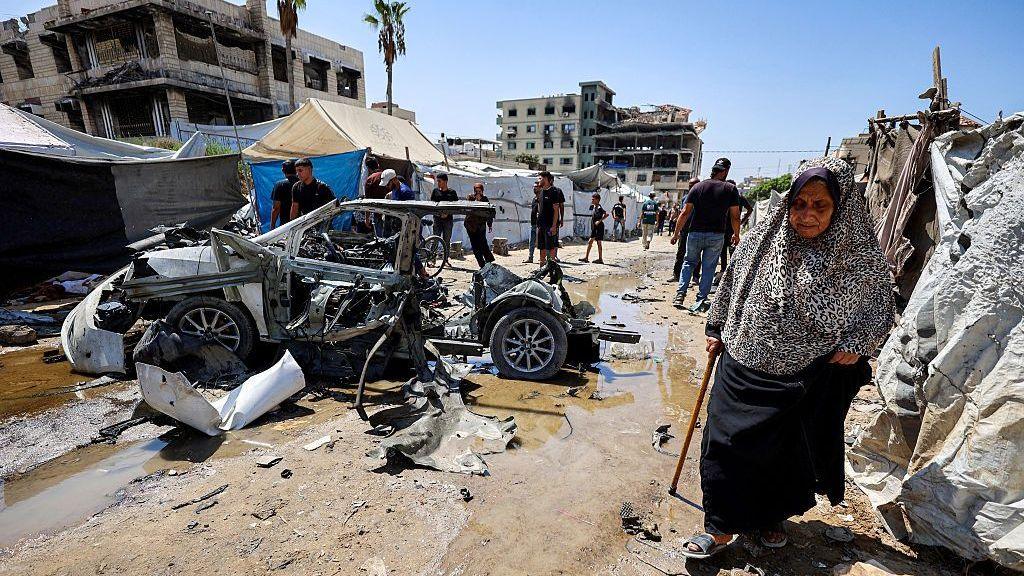
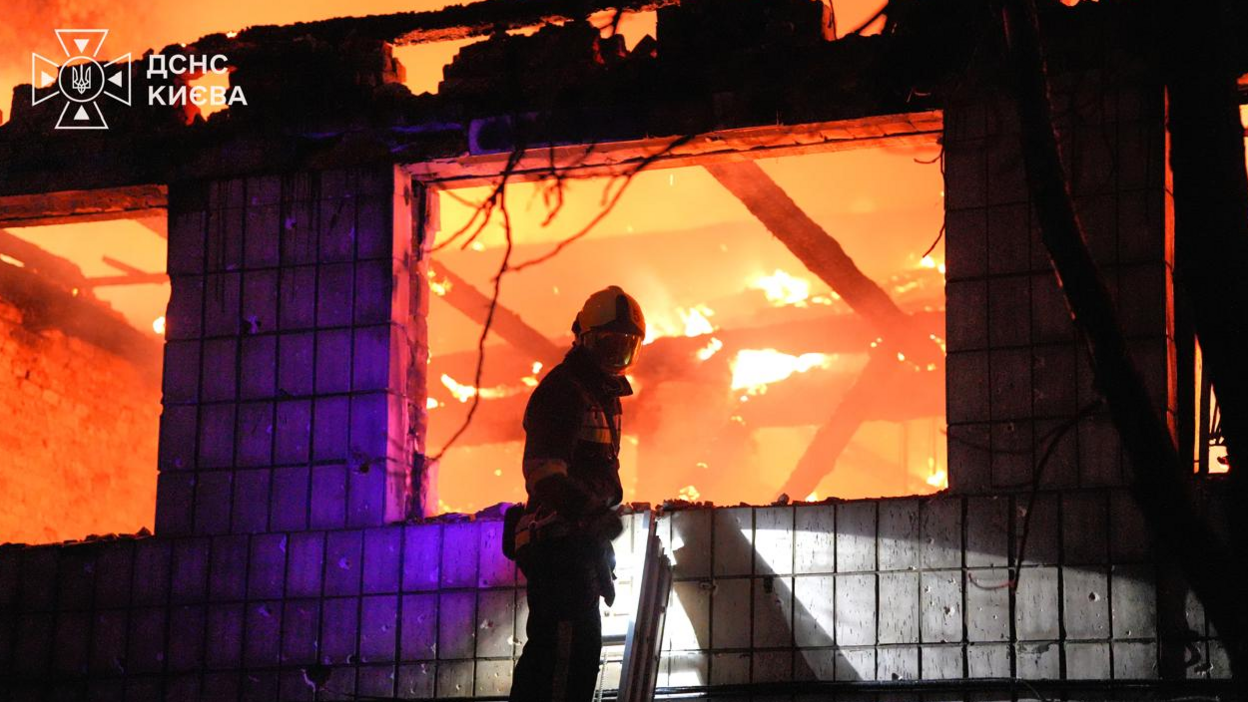
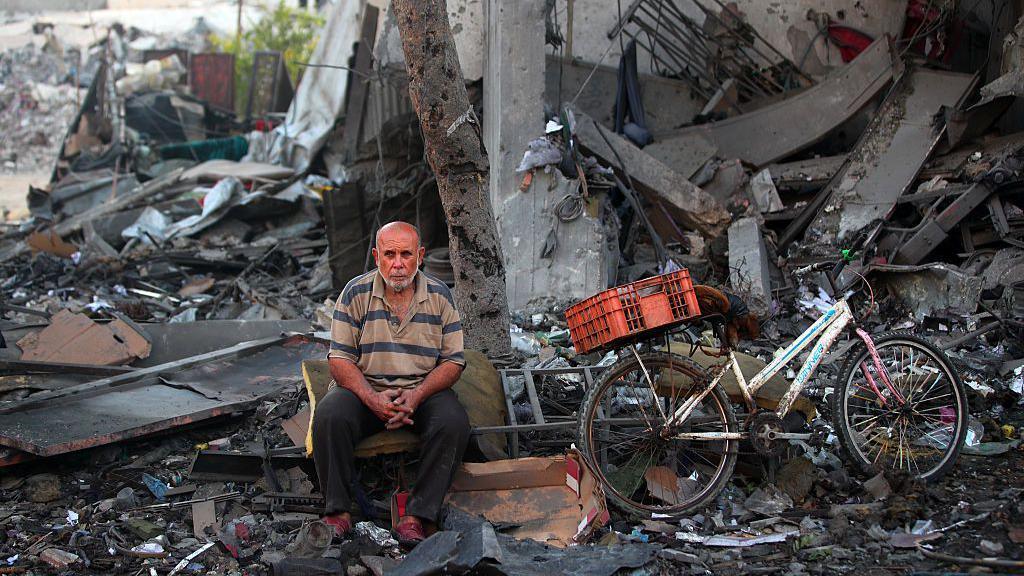
The idea looks simple on paper but the realities of war, decades of entrenched mistrust, and catastrophic casualty figures make it a formidable hurdle. In Gaza, where more than two million civilians struggle under rubble, Israeli forces have reported the loss of over 70 000 Palestinians, an additional 1 000+ deaths beyond a ceasefire and IDF operations that have crushed infrastructure and homes. The United Nations, aided by the Gaza‑run health ministry, records these losses while UN Children’s agency confirms over 20 000 child casualties since the October 2023 assault.
Hamas, meanwhile, has endured significant losses among its leadership and fighters, with the IDF’s strikes and targeted killings cutting deep into its ranks. Senior officials in Jordan and Egypt have questioned whether Israeli strategies aim at an ethnic cleansing that far exceeds the physical destruction already inflicted.
Political obstacles loom on both sides. Israeli Prime Minister Benjamin Netanyahu faces a looming election, a trial for corruption, and domestic pressure to read as tough on Hamas. In contrast, the United States, especially President Donald Trump, sees the outcome in Gaza as a critical metric for a broader victory in the region, while their upcoming mid‑term elections could drastically shift influence.
Bowen explains that the plan’s key to success lies in incremental steps of mutual confidence. Rather than a sudden, all‑in shift, a pilot agreement showing Hamas disarming small sections of its arsenal coupled with initial withdrawal could pave the way.
The broader context is grim. In the West Bank, violence is set to peak, and reports indicate a surge in settler attacks and displacement of Palestinian families. The backlash signals a potential strategy by Netanyahu to focus resources away from Gaza to secure the electoral win on the mainland.
If the plan survives these complexities, it offers a path for a new ceasefire framework that acknowledges Israeli security concerns while removing a big threat in Gaza. But if the fragile equilibrium collapses, the region could remain trapped in a cycle of violence where both sides continue to seek irreversible means.