In brief
The BBC team drove along a deserted Mediterranean coastal road near Naqoura, discovering abandoned crops and ruins of towns that Israel has hit repeatedly. The only signs of Lebanese sovereignty are a small checkpoint and a series of Israeli flag posts that mark the start of occupied territory. Since March, Israel has built nine new bases in the area, calling the foothold a “security zone” to shield northern Israel from Hezbollah rockets. UN peacekeepers have watched Israeli teams demolish houses and lay infrastructure, sparking accusations of war crimes. Lebanon says Israel has violated cease‑fire terms a thousand times, while Hezbollah threatens the occupation to keep civilians from returning.
The drive along the Mediterranean coast in southern Lebanon is both scenic and starkly desolate. Abandoned crops lie broken on the road, while the buildings that once reflected a modest community have been gutted by Israeli air strikes, leaving only ruins.
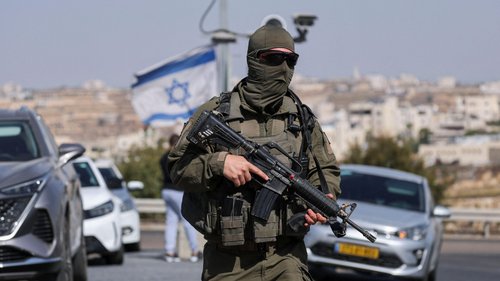
At Naqoura, a Lebanese military checkpoint—white‑and‑red, the colors of the national flag—stands as the last living marker of state authority. Soldiers wait behind fortified walls, yet the highway remains empty. A short distance to the south, a dozen Israeli flags point the way into a territory under occupation, with Israeli forces controlling the area without permission from Lebanese authorities.
This stretch of land is the heartland of Lebanon’s Shia Muslim community, the core support base for the Iranian‑backed militia Hezbollah. Israel has invaded this region three times in the last two decades; the latest war began in March after Hezbollah fired rockets in retaliation for the killing of Iran’s supreme leader. Since the June cease‑fire, UN peacekeepers have watched Israel’s expansion of bases, marking a new “security zone” that the Israeli Defence Minister says will protect northern Israel from Hezbollah rockets and drones.
During a recent BBC excursion, the team joined a UN convoy composed of Finnish troops, the only way to witness the area under occupation. They observed Israeli soldiers fortifying positions, constructing service roads and installing netting over buildings to shield them from Hezbollah’s explosive drones. In the distance, drones buzzed overhead and explosions echoed from villages being demolished.
UN’s Unifil spokesperson Kandice Ardiel confirmed that Israel has established nine new bases in the occupied area, up from five after the 2024 conflict, and has been “consolidating and fortifying positions” with engineering works. The UN warns that Israeli demolition of civilian infrastructure “may constitute a war crime.” Israel, however, maintains that the destroyed buildings were used by Hezbollah for military purposes and that its actions comply with international law, refusing to address other allegations.
In Lebanon, intelligence officials claim that Israel has violated the cease‑fire over 5,000 times with air strikes, drone attacks and daily incursions. Hezbollah remains a formidable military force, and any discussion of disarming the group is blocked by the Lebanese government, which cannot enforce such demands without Hezbollah’s consent.
The Israeli withdrawal is pegged to Hezbollah’s disarmament, while Lebanon’s army would need to monitor the former in “pilot zones.” No progress has been made, and the interim arrangement mirrors the Gaza‑like situation, with Israeli forces entrenching themselves. Analysts suggest that the occupation will persist until political shifts, perhaps following Israel’s election at the end of October.