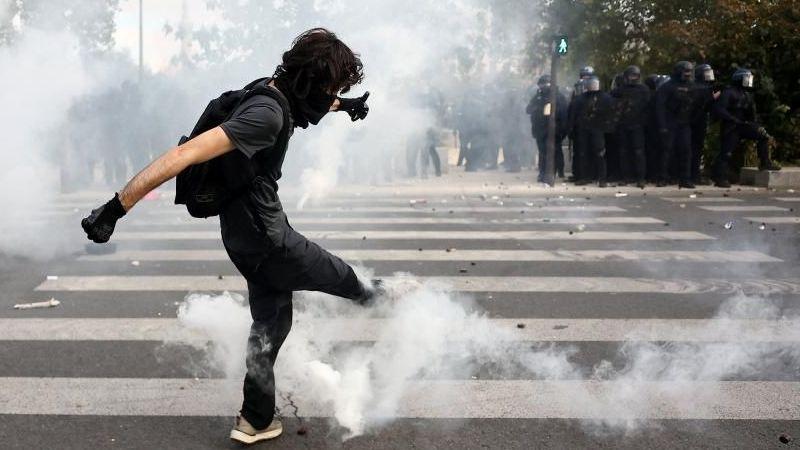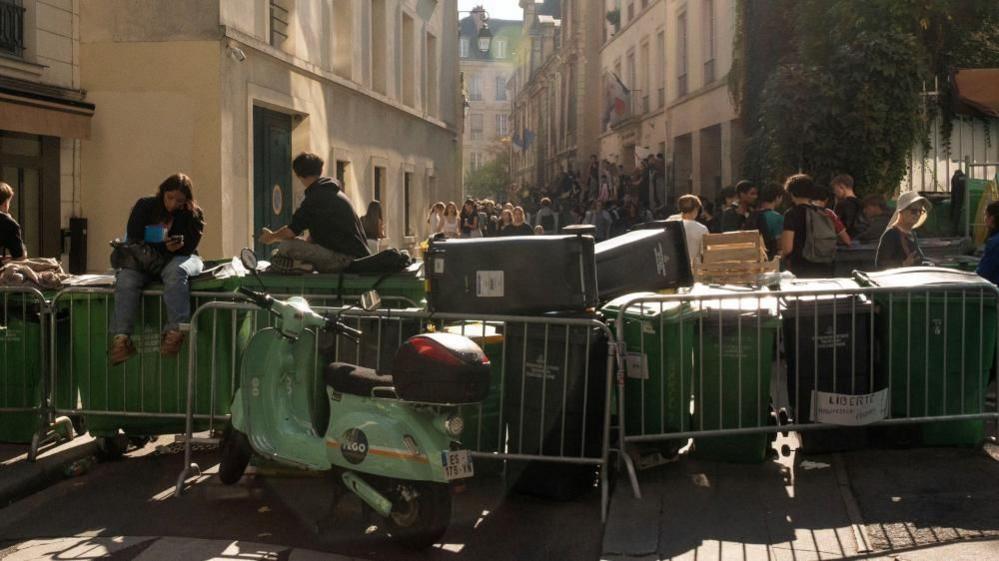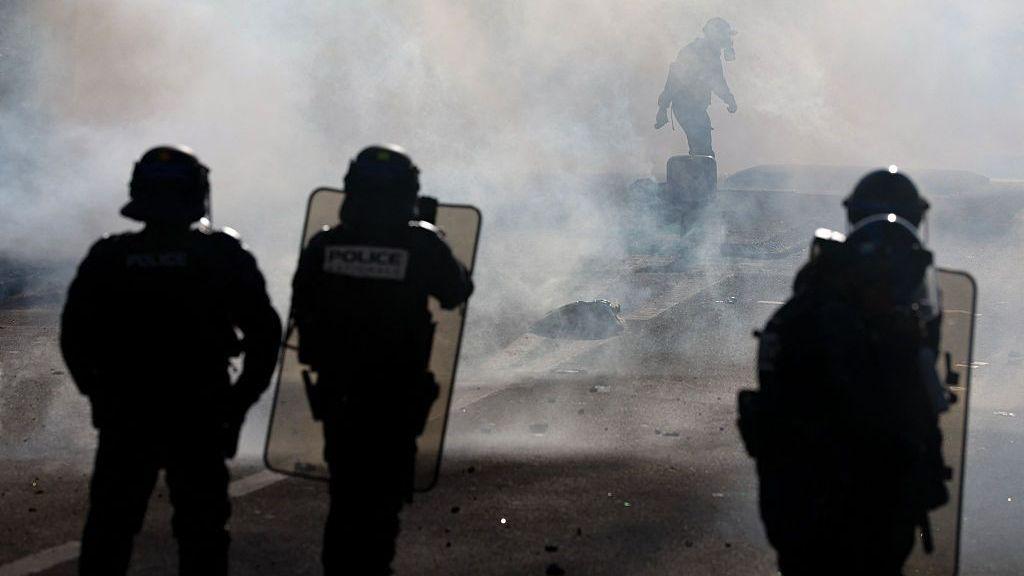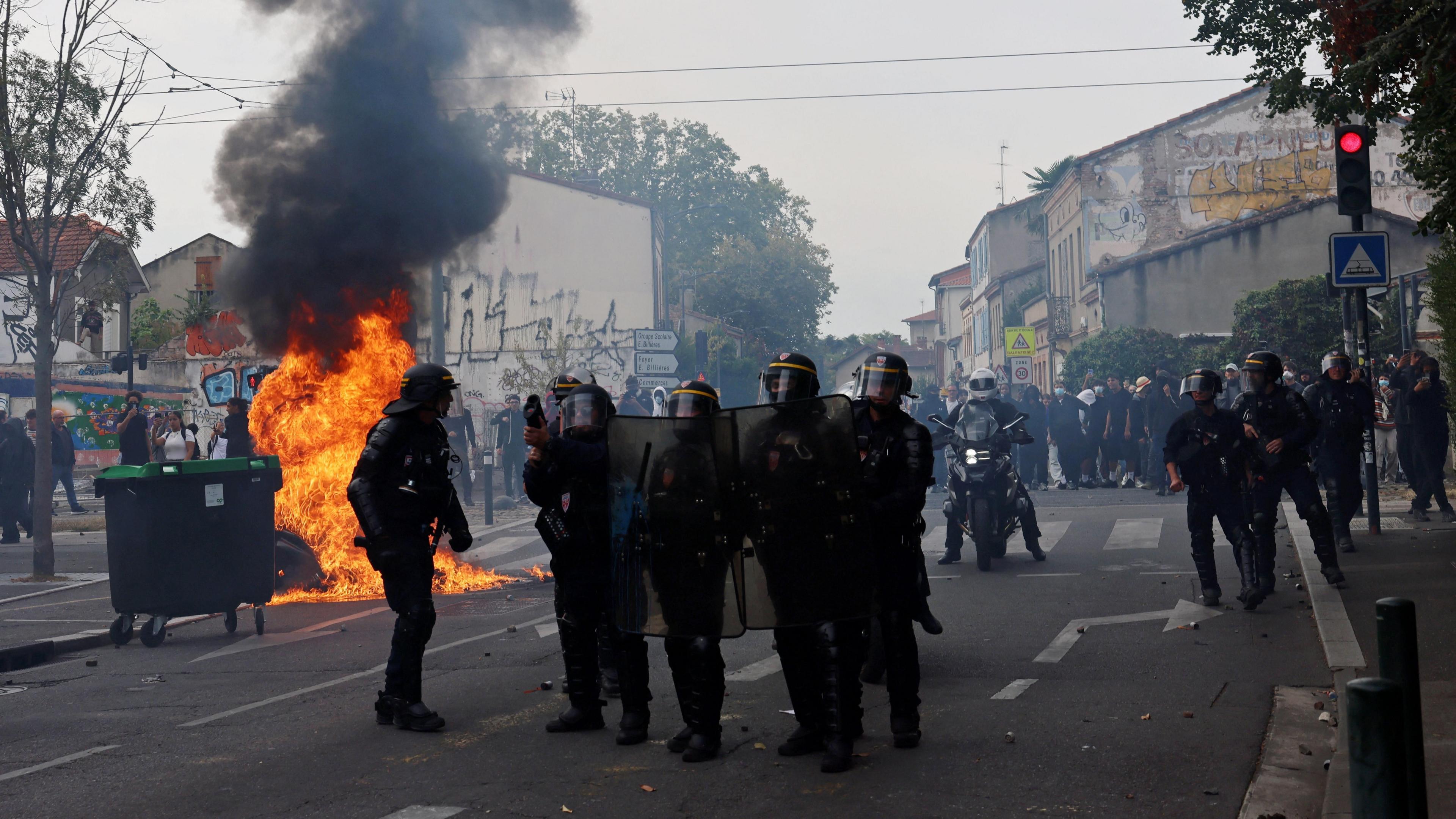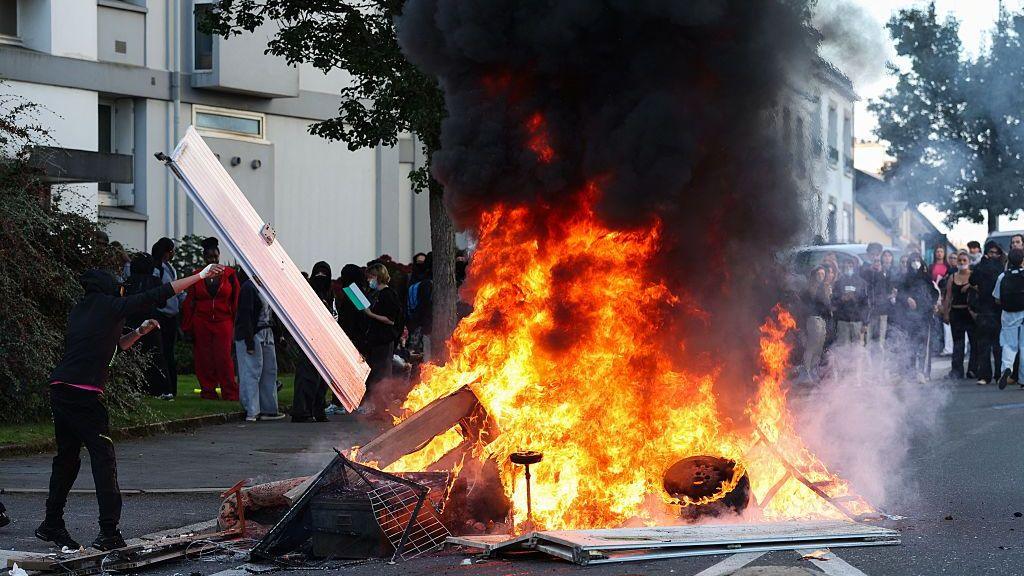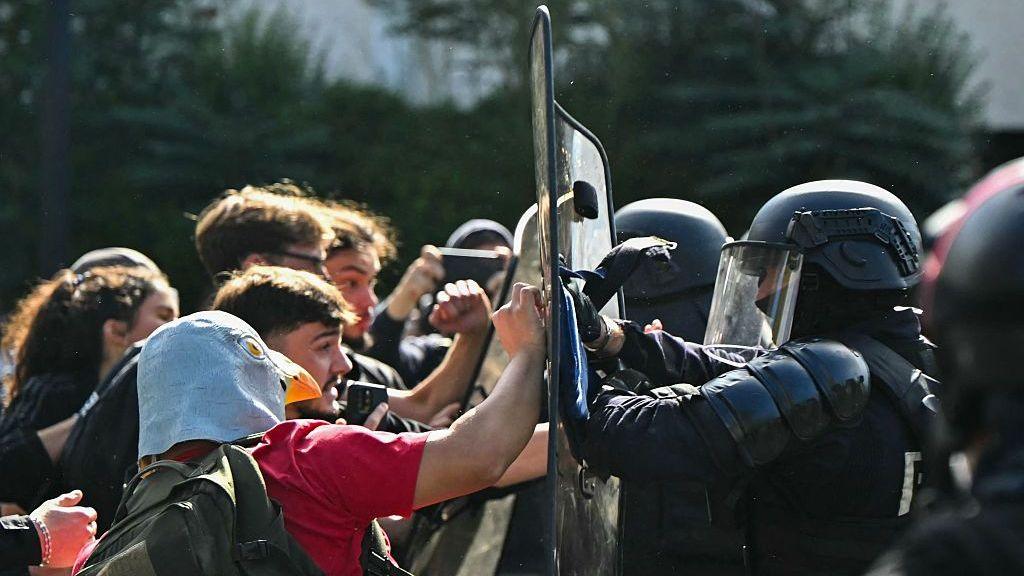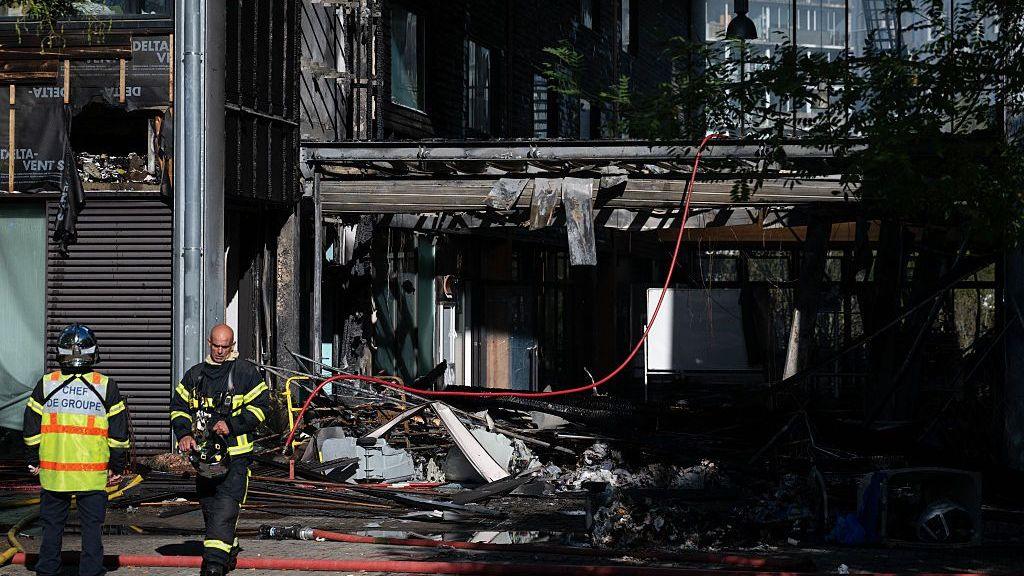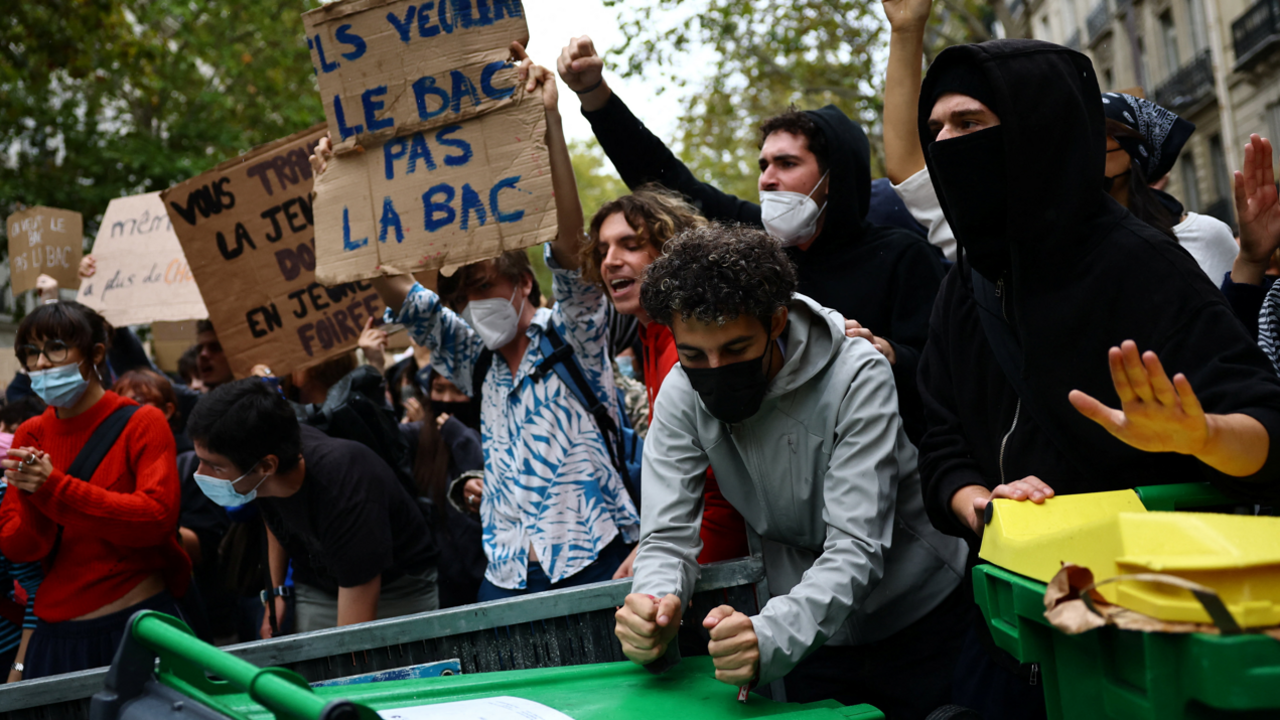
Since late September, students across France have been holding protests that have turned violent, blocking thousands of high‑school gates and parading through streets while clashes with police turn deadly.
The protestors cite a litany of problems: chronic teacher shortages that leave classes without replacements for weeks, poorly maintained buildings that overheated during recent heat waves, and a school day that stretches into the late afternoon due to long lunch breaks and complex curricula. The newly re‑examined Parcoursup admissions system is another hot topic; students feel it is opaque even though the country now sees 80 % of its cohort pass the baccalauréat, creating a tight scramble for desirable university courses.
Despite France spending more per lycée student than the EU average, OECD data shows teacher shortages are actually mild compared to other developed nations. Yet French teachers receive comparatively lower pay and the extended school day remains a systemic gripe that does not fully explain the unprecedented scale and violence of the protests, Interior Minister Laurent Nuñez noted.
The current wave echoes past student movements that have reshaped French policy. In 1990, a sexual‑harassment case at a Paris school triggered mass rallies that led the government to spend over €1.2 bn on lycée upgrades. A 1998 march of half a million students secured nearly €1 bn for renovations and 14,000 additional staff. Earlier, students in 2006 successfully nullified a law loosening hire‑and‑fire rules for the youth, and the 2018‑19 Yellow‑Vest protest pushed the government to roll back fuel taxes.
The political culture that gives street protests legitimacy explains the current unrest’s intensity. A poll shows 72 % of French citizens see the students’ demands as legitimate and 55 % support the movement. With President Macron’s popularity at a nadir and a heavily indebted finance ministry, the Prime Minister’s options appear limited, potentially strengthening the protestors’ bargaining position.
The protests continue to spread, and further demonstrations are scheduled, promising more clashes as the government confronts a generation increasingly willing to challenge the status quo on the streets.