Sanchez Leverages Housing Crisis to Propel Snap Election Bid
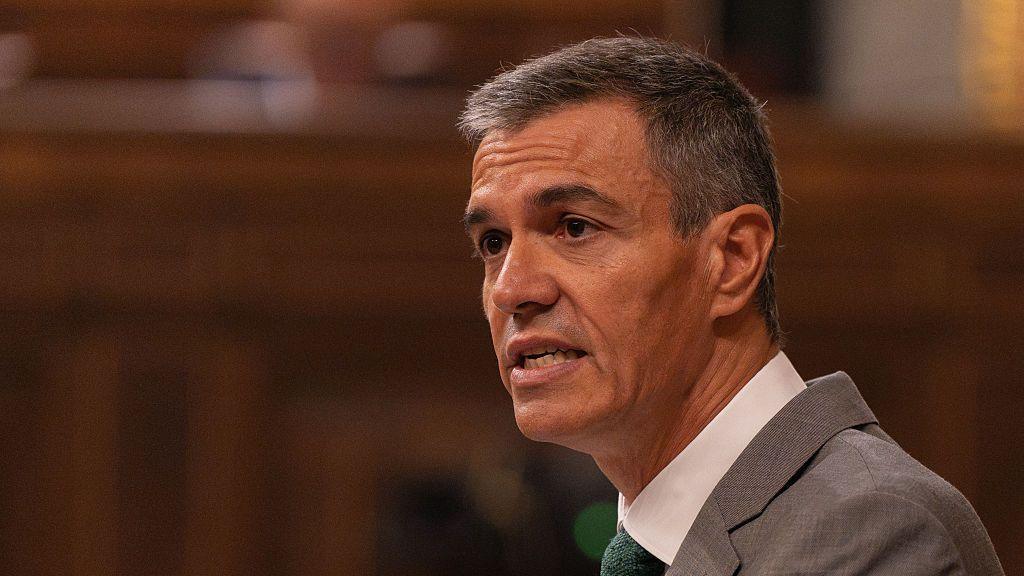
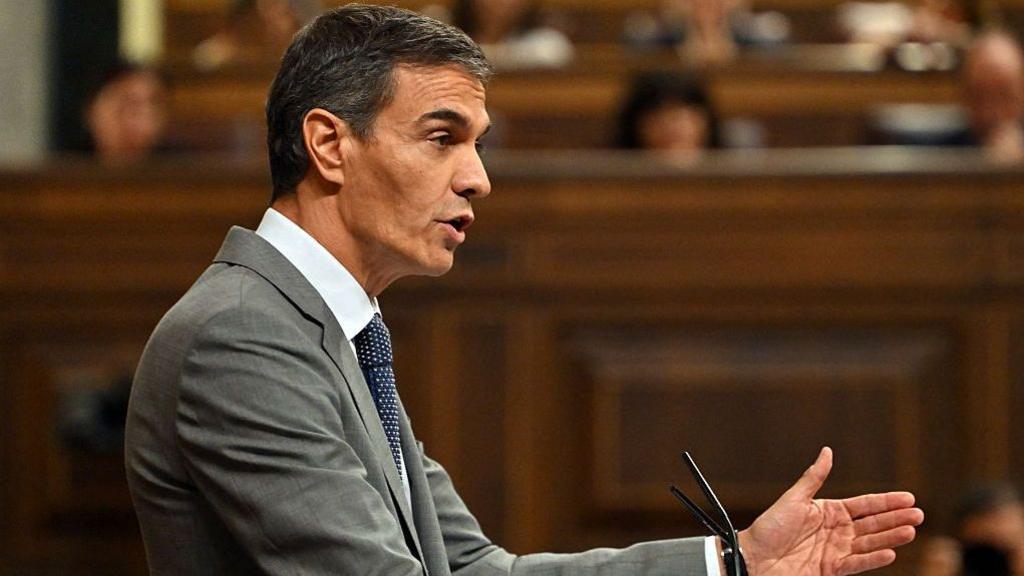
Spanish Prime Minister Pedro Sanchez has called a snap election for 29 November after a narrow parliamentary defeat of his government’s housing reform proposals. The measures, aimed at protecting tenants and reducing speculative rent hikes, were rejected by right‑wing parties, confirming that the PSOE–Moralejo coalition no longer holds a majority in the lower house.
Sanchez’s decision was not a reflexive reaction; it follows months of political strain. Corruption accusations hit his party’s ranks, involving former senior figures and former Prime Minister Zapatero, while his wife faces a trial over alleged financial misconduct. The Celta crisis – a sudden influx of more than 70,000 migrants in July – has further weakened the government’s standing.
By pinning the campaign on housing, Sanchez seeks to channel public anger into electoral gain. He urges voters to mobilise for a “much bigger, progressive majority that can defeat the elites, secure social rights and continue transforming Spain.” The left‑wing narrative contrasts sharply with the right’s opposition to state intervention in the housing market, arguing such measures can backfire.
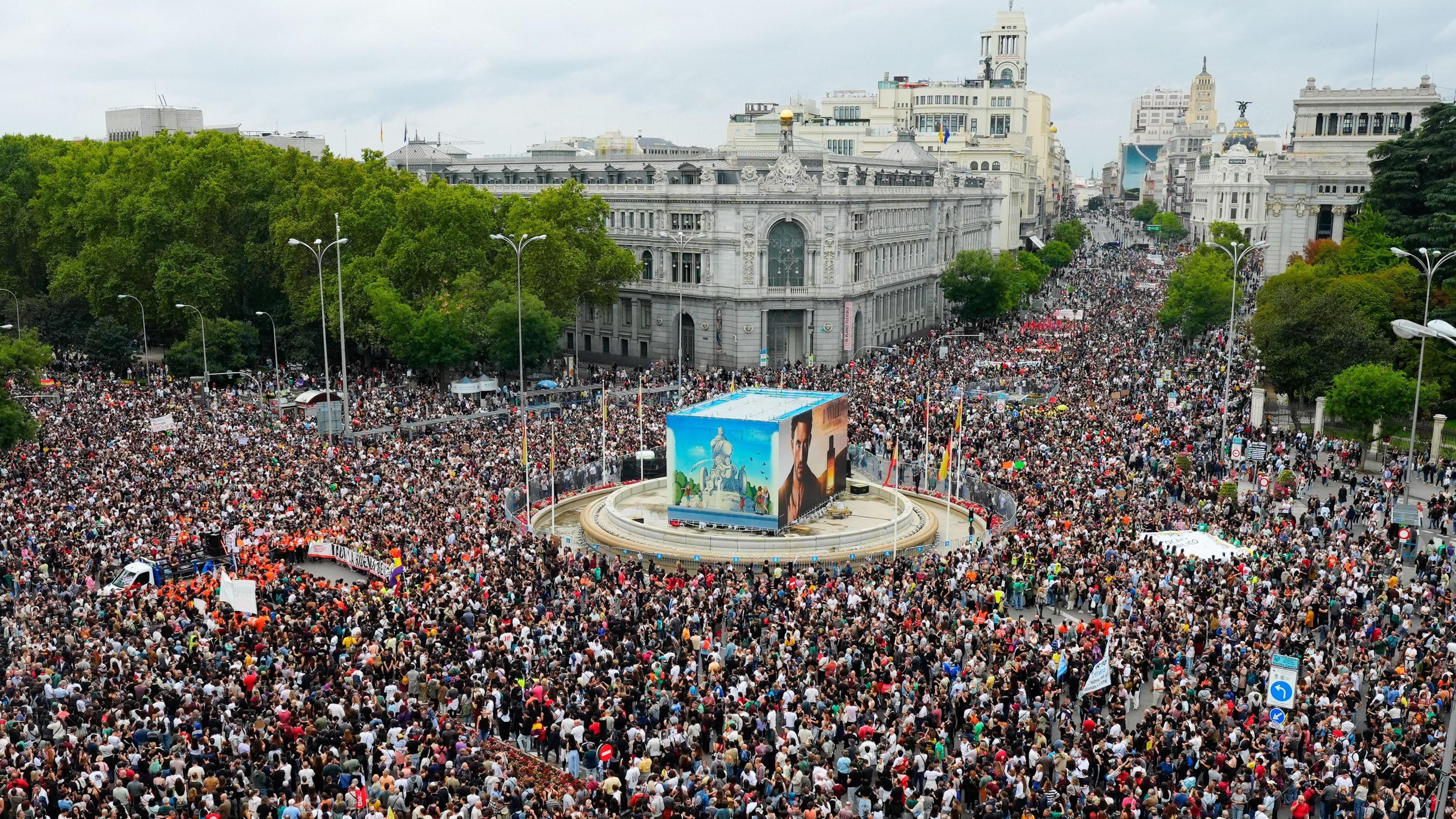
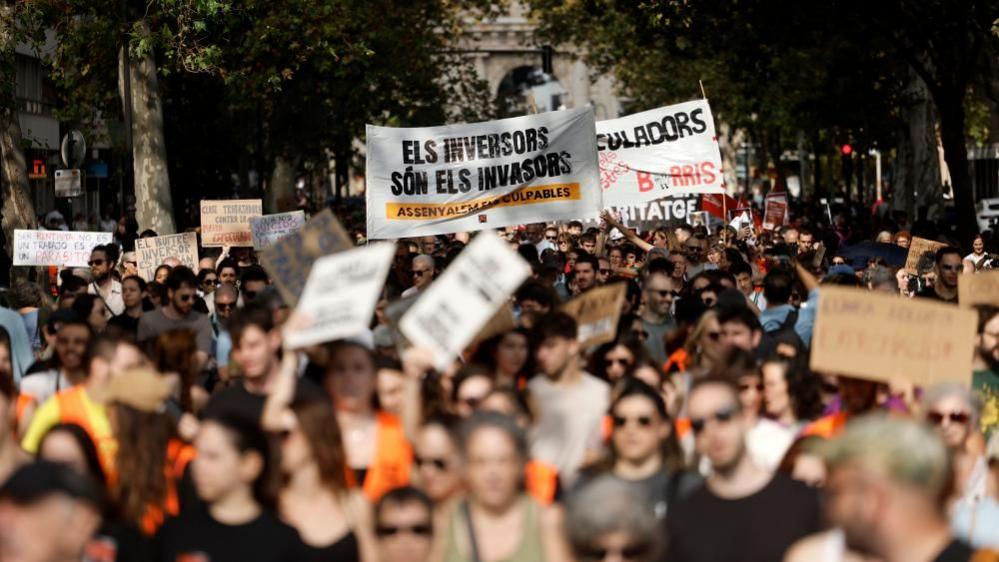
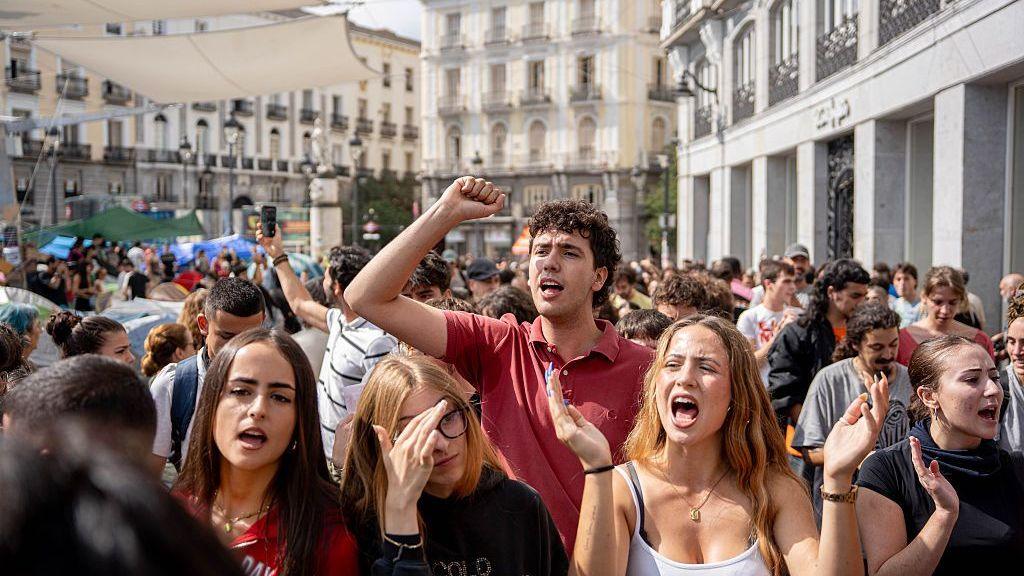
Mass protests spilled onto streets across Madrid, Barcelona and Valencia later this week, with people demanding stronger tenant protections. These demonstrations accompany a broader wave of public discontent about the government’s handling of migration and internal scandals.
While the housing issue could invigorate the Socialist base, polls still show the PSOE trailing the People’s Party. Sanchez faces the dual challenge of uniting his coalition and winning sufficient support to remain in power. The upcoming campaign will test whether he can turn public frustration into a decisive electoral advantage.