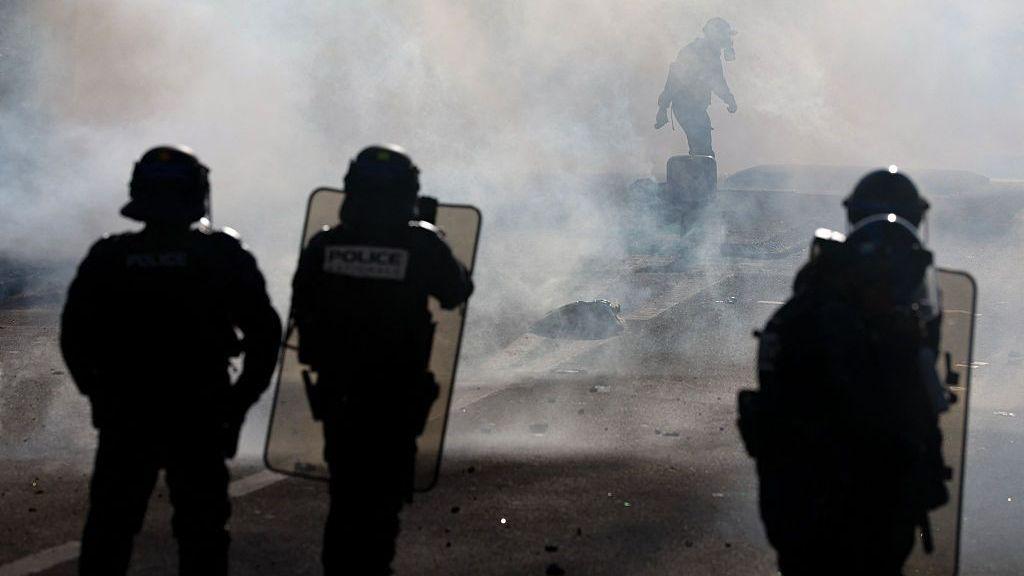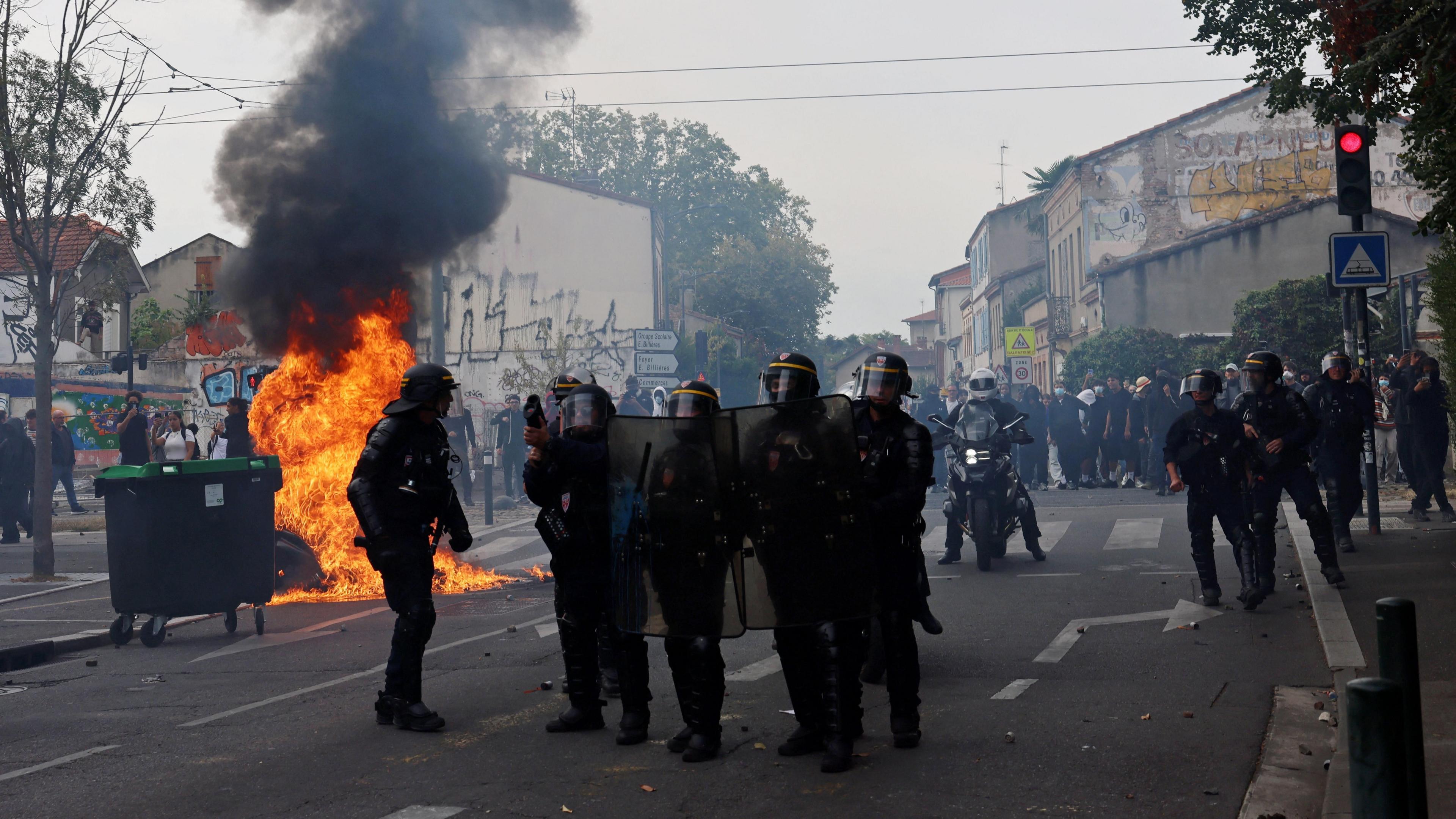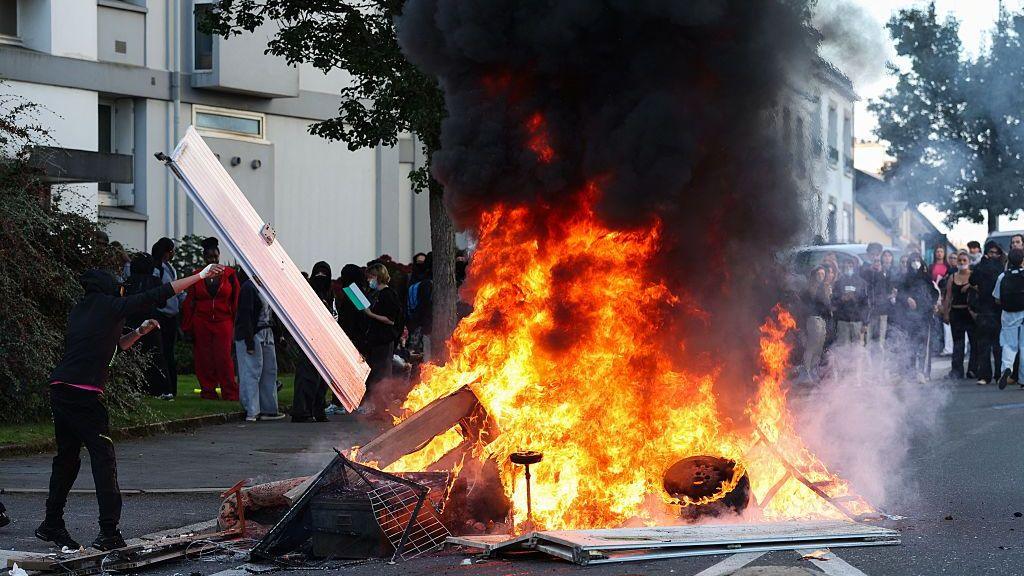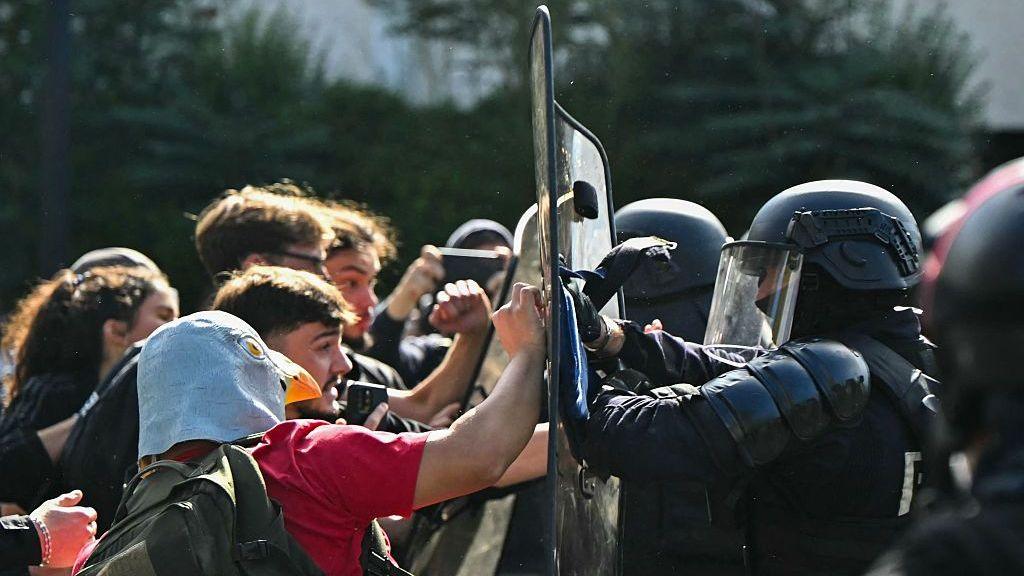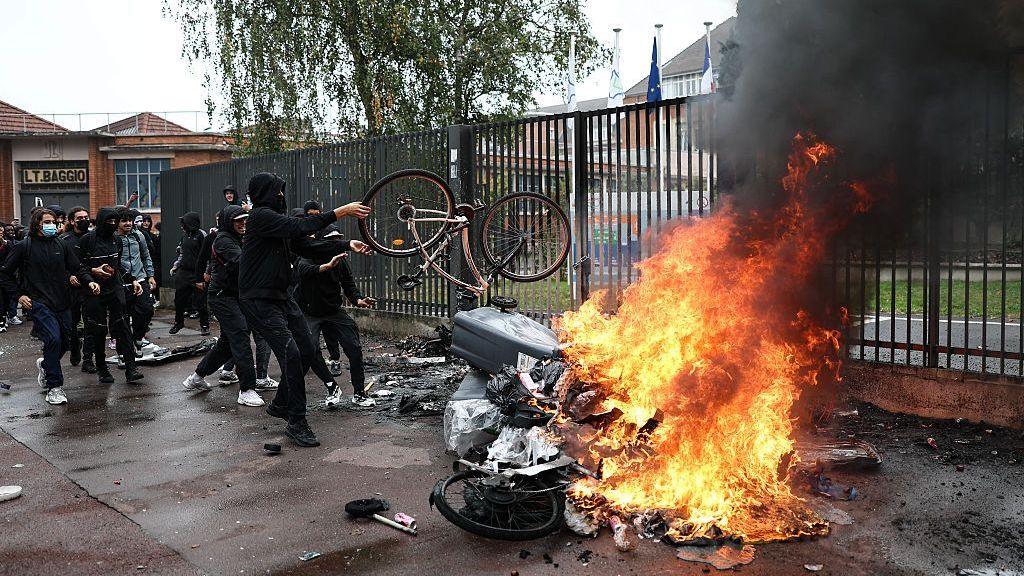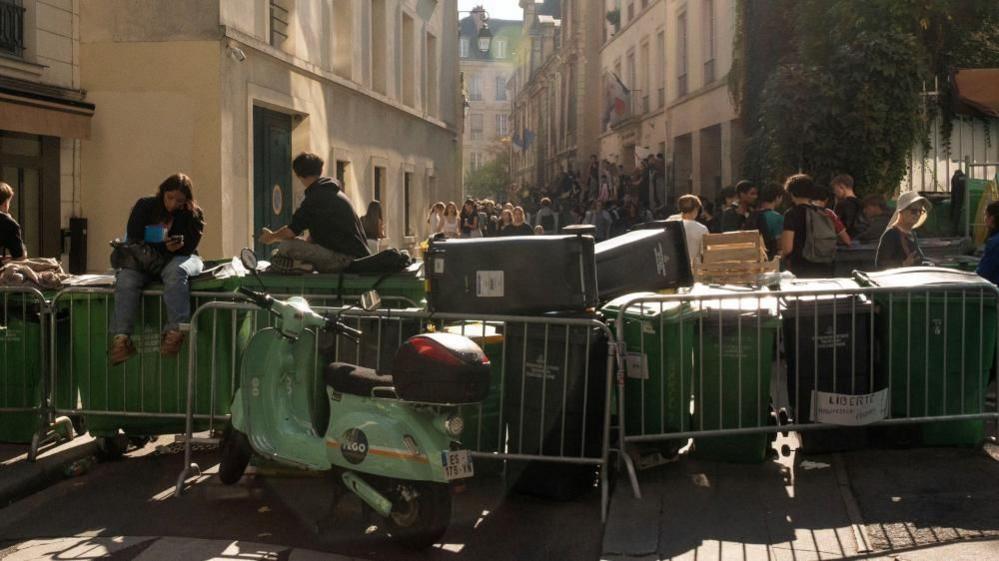

Students from schools across France are preparing for a national day of protest tomorrow, after a month of demonstrations that have turned increasingly violent.
The student‑led movement, launched in late September, has seen hundreds of secondary schools blockaded, dozens of students injured and more than five thousand people taken into custody.
A 15‑year‑old in Lens sustained a severe hand injury after a tear‑gas grenade left him heavily singed, while another teenager in Saint‑Ouen‑l’Aumône suffered a double jaw fracture from a similar blast.
Prime Minister Sébastien Lecornu promised a package of changes to improve school conditions, but opposition groups say the measures are vague and insufficient. The Union Syndicale Lycéenne has demanded ``concrete'' answers and warns that the clash will ``summon professionals'' if the police continue their heavy‑handed tactics.
Political figures across the spectrum have seized on the unrest. The National Rally’s Marine Le Pen demands stricter anti‑riot laws, while LFI’s Jean‑Luc Mélenchon blames police abuses and calls on the public to defend youthful protest.
As the country readies to leave streets lined with barricades and flames, the stakes go beyond education, reflecting a deeper national debate over authority, youth empowerment and public policy.