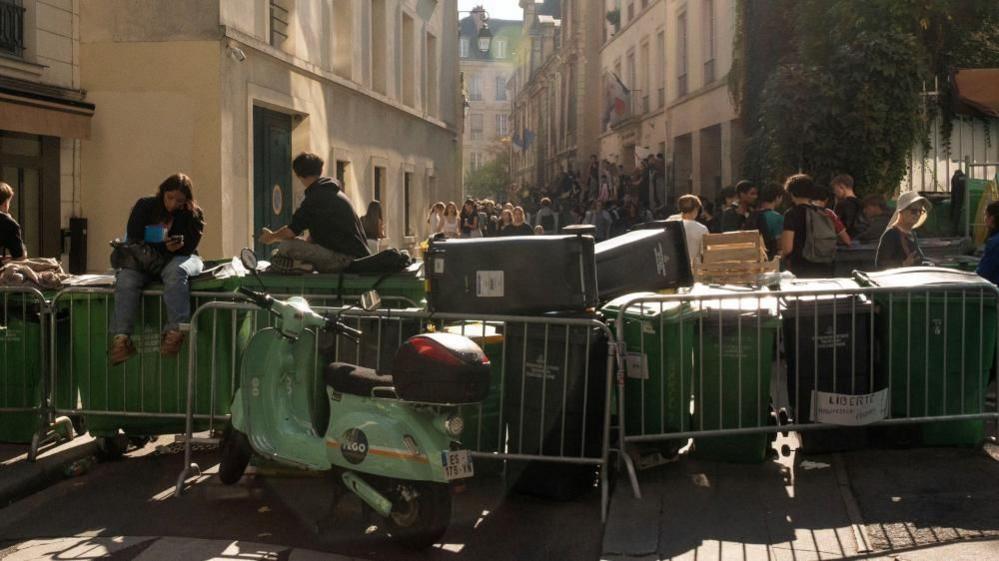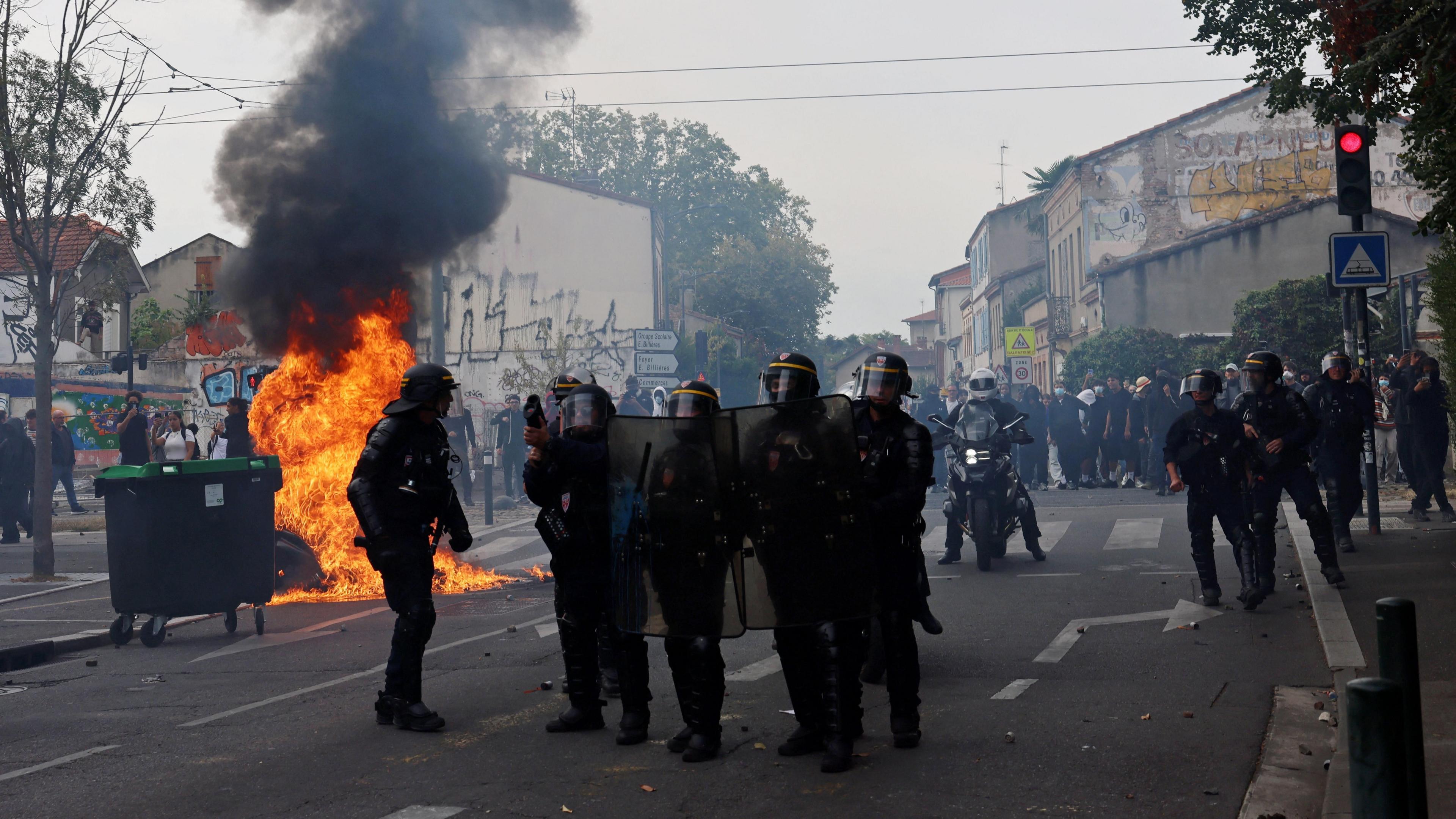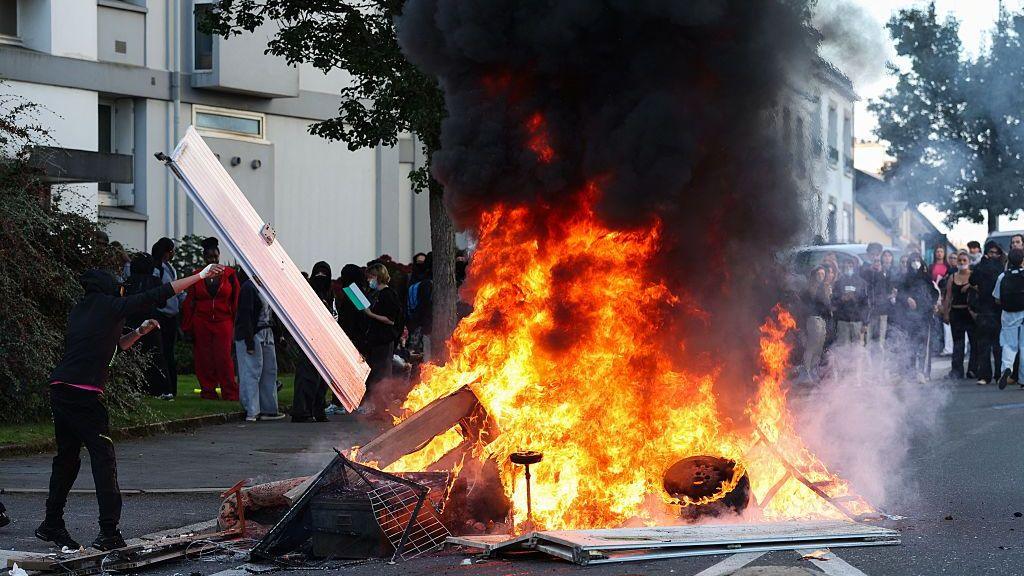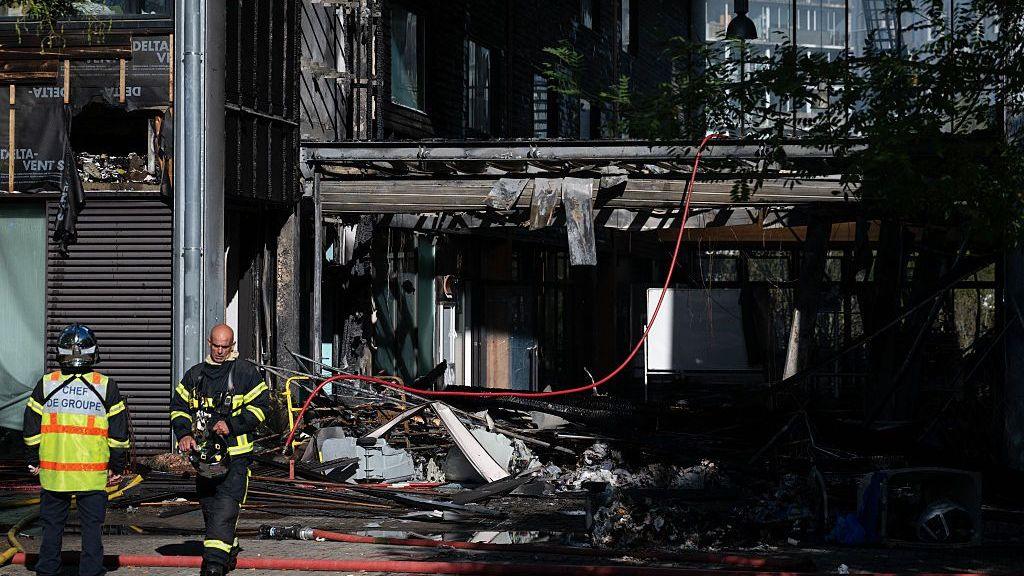
Over a hundred thousand students and their supporters have poured onto the streets of France, sparking a nationwide wave of protests that now include parents, teachers, university students and labour unions.
The demonstrators began in the Paris suburb of Seine‑Saint‑Denis in mid‑September, demanding better funding, more teachers and safer classrooms. They soon marched from Place de la République, voicing anger over overcrowded corridors and the decline of public school buildings.
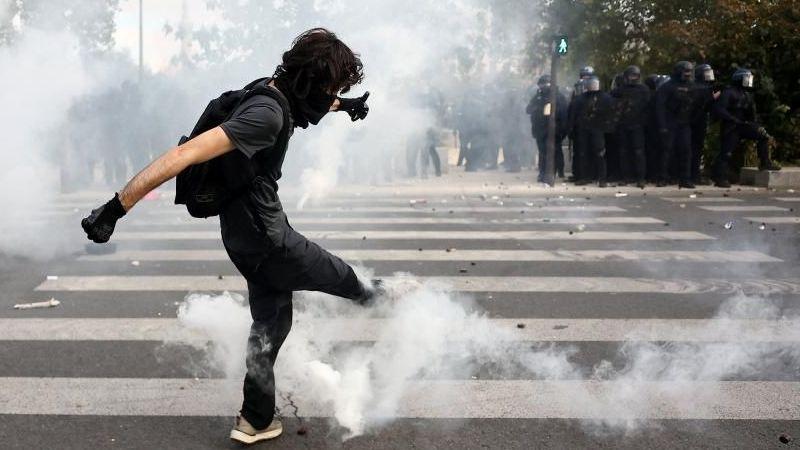
Police response was swift and forceful: tear gas was used in Paris and Marseille, water cannon were deployed in Rennes and arrests were made across eleven cities. While the police described these measures as necessary to maintain order, official figures reported 215 students and 85 teachers injured, along with 715 officers wounded.
Prime Minister Sébastien Lecornu took to the podium to denounce the violence and commended efforts to restore calm. He also released numbers from the Interior Ministry: 891 schools were disrupted on Tuesday, and about 250,000 people took to the streets—though student unions estimated the toll at 450,000 and claimed 1,800 high schools had been blockaded.
Students’ voices were loud and clear. “Most of us aren’t violent,” said Alissa, a teenager from Marseille, “we’ve taken to the streets because our schools are falling apart.” Her friend Sacha added, “The ceilings leak, heat rises, we can’t work eight hours in that environment.”
Despite calls for negotiation, the education minister Édouard Geffray said the situation remains tense, citing “ultra‑violent elements” infiltrating the protests. The CGT union warned of further actions, and political analysts predict that the unrest could influence the upcoming presidential election.
For now, the streets of Paris, Marseille, Lyon, Rennes and beyond stay restless. If the young activists keep their march alive, the government will be forced to confront a crisis that extends beyond the classroom and into the heart of French politics.