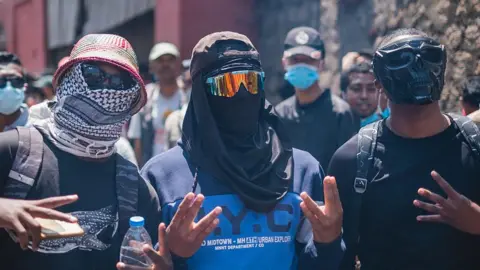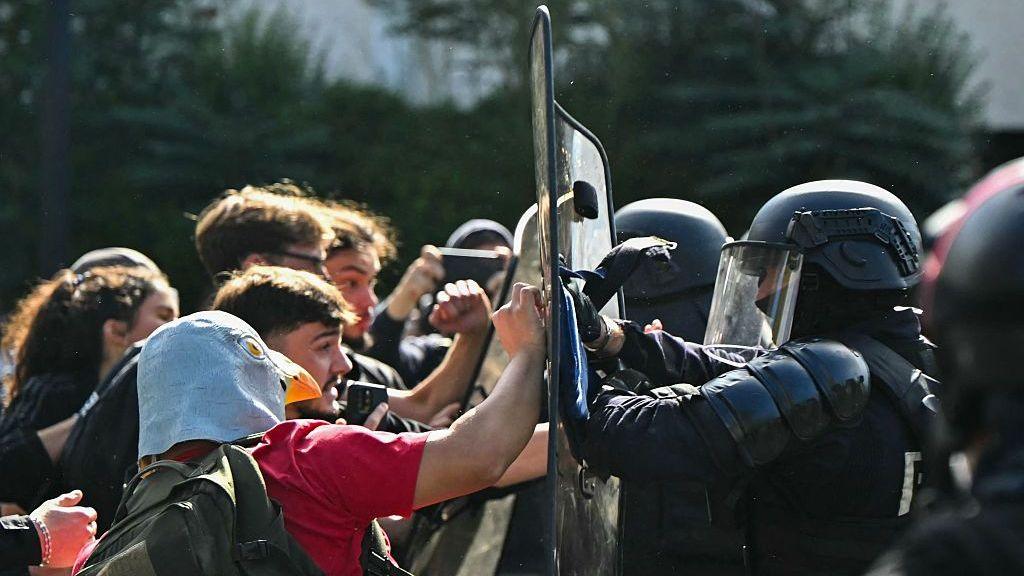
For weeks, students across France have turned their schools into flashpoints of protest. What began in the low‑income suburbs of Paris has now spread to over 400 lycées and a handful of universities, as pupils shut doors, block access and roast entrance gates in a bid for better funding and cooler classrooms.
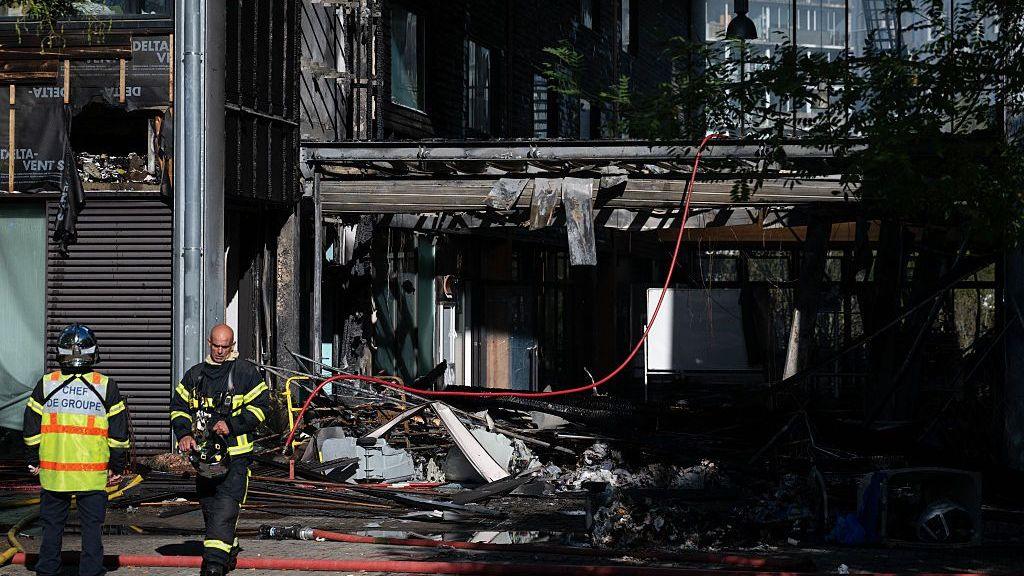
The violence has left a sharp imprint on the country’s political map. On Thursday the main hall of a lycée in Nantes was destroyed by fire, and police reports say 65 teachers and 40 school leaders have sustained injuries. The education minister, Édouard Geffray, said most of the wounded were not even his own pupils, indicating the stakes had gone far beyond the school hallway.
Behind the chaos, politics are turning up the heat. France Unbowed (LFI) and its presidential hopeful Jean‑Luc Mélenchon are accused of warming the protests with rhetoric and support, according to an internal police report leaking to the press. Critics claim that these left‑wing elements have been “encouraging” unrest in the run‑up to the 2027 budget proposal, which sees the cabinet aiming for a €54 bn cut in public spending.
On the ground, police numbers swell to around 300 officers and firefighters. Estimates of police casualties reach 300, and roughly 2,000 defendants—most minors—have been taken into custody. The students’ demands, largely still vague, center on money: more teachers, smaller classes, better‑heated buildings. Nothing appears to align unequivocally with the policy arms of the Macron administration, suggesting a deepening social fissure.
The protests are not just a cultural flare but a potential predictor of a polarized France. The imminent presidential elections amplify the stakes: with the far‑right, embodied by Marine Le Pen, and the far‑left, fronted by Mélenchon, each vying to claim the moral high ground among the country’s youth, any spill‑over of violence could shape the electoral outcome. For the European political elite, the scene in France underscores a growing impatience with France’s public spending model—the very model that has funded the education system and public safety for decades.