France Student Protests Send Shockwaves Through Government
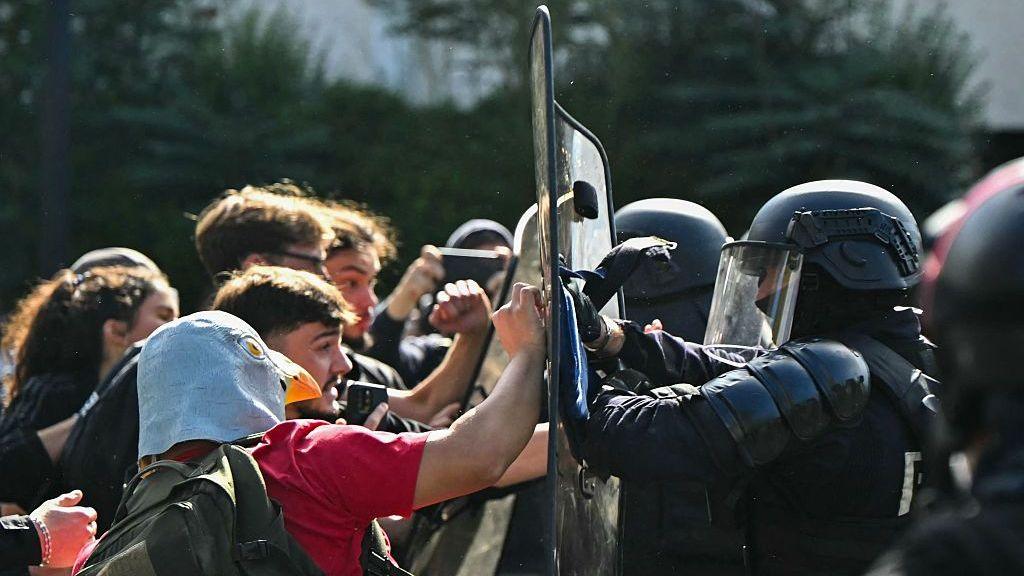
The unprecedented wave of student protests that erupted in the low‑income suburb of Seine‑Saint‑Denis last month has swiftly spread throughout France, shutting down hundreds of secondary schools and inciting violent clashes with police.
Hundreds of lycées across the country have been blocked as students demand larger budgets for schools, more teachers, smaller class sizes and better facilities. The movement’s core grievances also include the rising heat of classrooms during this year’s heatwaves, overcrowded learning spaces and a chronic shortage of staff.
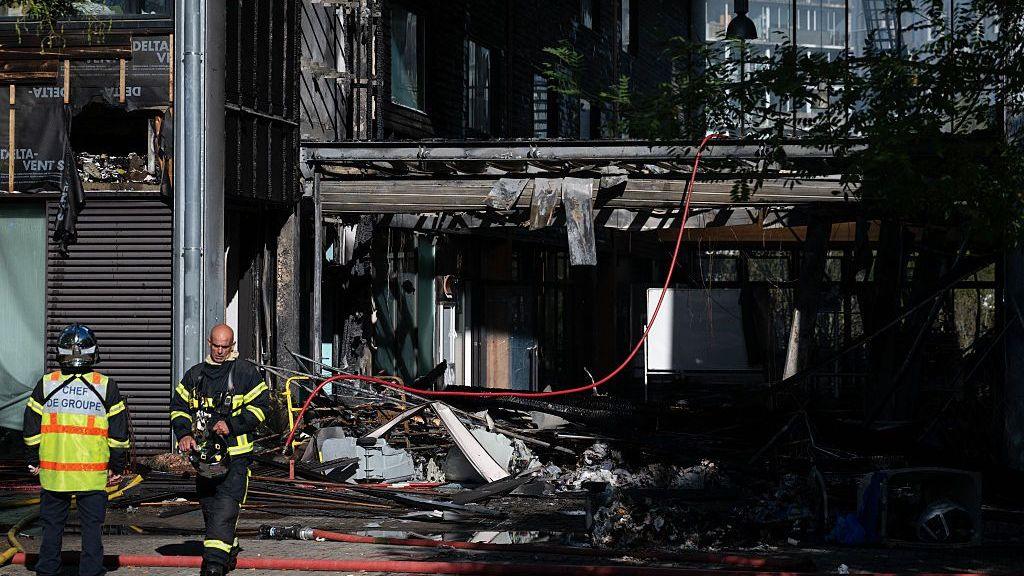
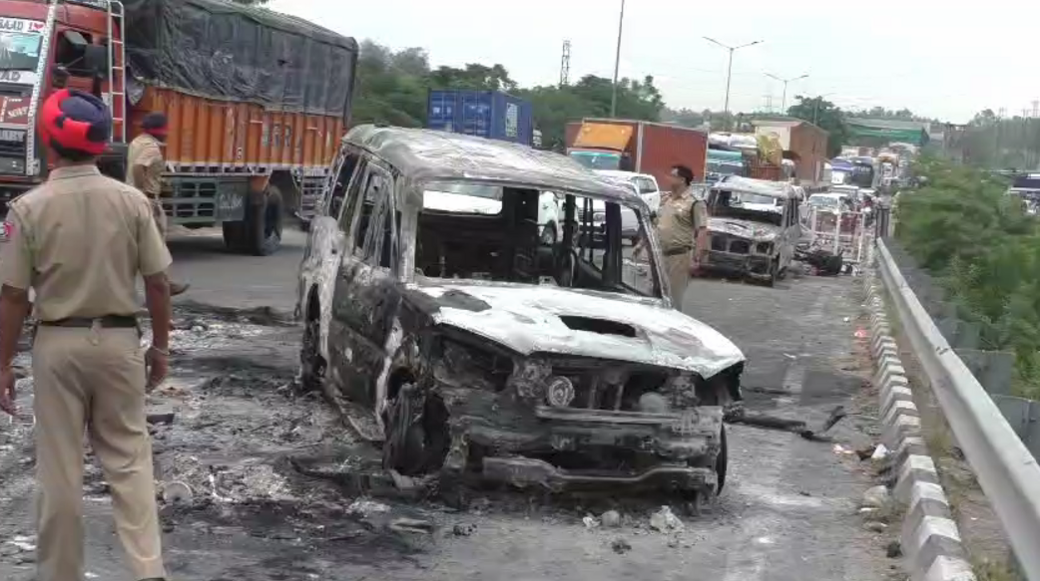
The unrest has already taken a toll: 65 teachers and 40 school heads were wounded in several attacks, while up to two thousand mainly under‑age protesters were detained. Police and firefighters suffered injuries as well, and damage to school property has cost millions of euros.
Political commentators warn that the crisis is being used by far‑left groups, particularly the France Unbowed party (LFI) and its presidential hopeful Jean‑Luc Mélenchon, to galvanise youth support ahead of the 2027 budget announcement and the forthcoming presidential election.
Leaders of the far‑left federation have appeared beside the protesters, and a leaked internal police report alleges that they are encouraging the demonstrations as a “flame‑kindling strategy.” Mélenchon himself has called for restraint but affirms the legitimacy of the youth’s grievances.

With the next national budget due, the French government faces the twin challenge of meeting the legitimate demands of students while curbing the potential political exploitation of the current unrest. The looming elections make the stakes higher than ever, as any mishandling of the crisis could plunge France into deeper social division.