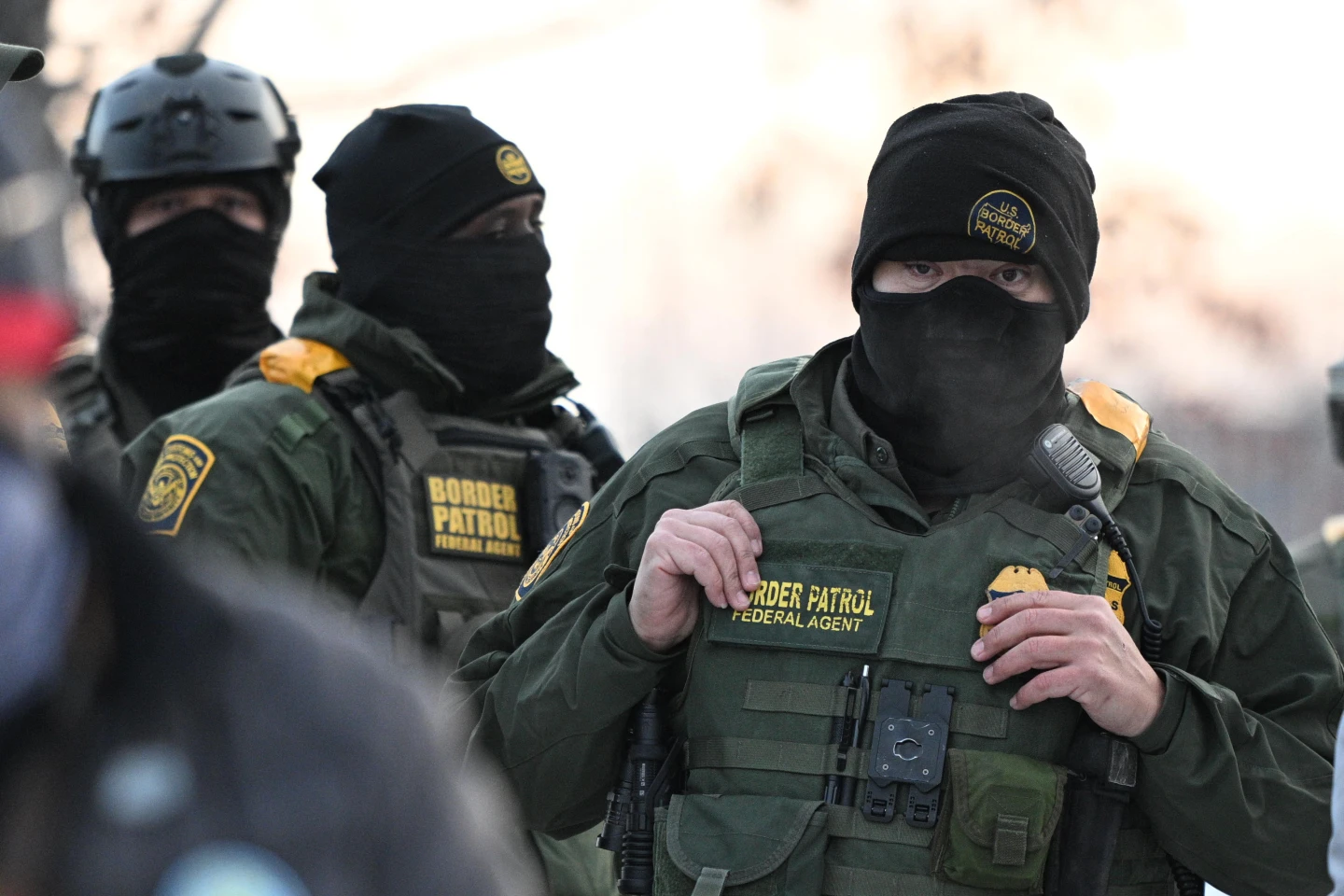
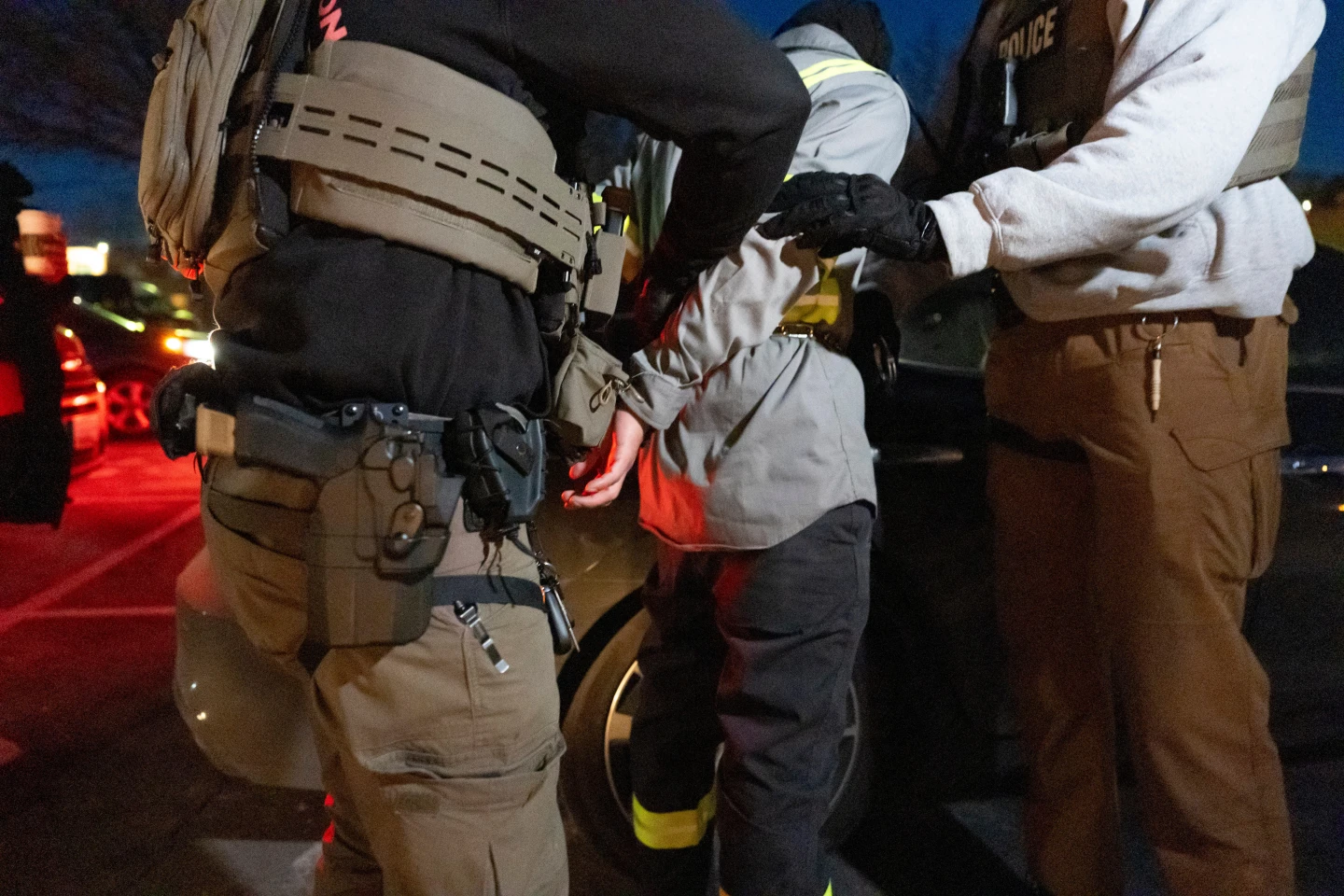
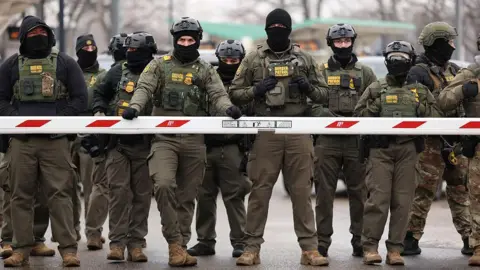
Federal immigration agents deployed in Minneapolis, Minnesota, will soon receive body cameras, the US Department of Homeland Security (DHS) says. The announcement comes as the government faces a backlash over the deaths last month of two U.S. citizens - Alex Pretti and Renee Good - following a surge of federal immigration officers into the Minneapolis area as part of an immigration crackdown. Effective immediately we are deploying body cameras to every officer in the field in Minneapolis, DHS Secretary Kristi Noem wrote on X on Monday. The Hennepin County Medical Examiner has ruled Pretti's 24 January death a homicide. Homicide refers to the killing of a person by another person. It does not necessarily signify that a crime has occurred. Monday's report by the medical examiner said Pretti had suffered multiple gunshot wounds fired by one or more law enforcement officers. It added that he died in the emergency room at the Hennepin County Medical Center in Minneapolis. No further details were noted. According to US Customs and Border Protection, the two agents involved in Pretti's death wore body cameras. They have been placed on leave, the agency said. The US Department of Justice has opened a civil rights investigation into Pretti's death. Noem has stated that once funding is available, the body camera program will be expanded nationwide. The US is currently on day three of a partial government shutdown as Democrats continue to demand immigration reforms, including body cameras, as part of any funding deal to reopen the government. Immigration and Customs Enforcement is currently the highest-funded US law enforcement agency, after Congress authorized $80bn for the agency last year. Asked about Noem's announcement, President Trump said that body cameras generally tend to be good for law enforcement because people can't lie about what's happening. In the wake of Pretti's shooting, the Trump administration removed Gregory Bovino, the US border patrol chief, from Minneapolis and replaced him with border tsar Tom Homan. Last week, Homan met with local leaders, including Governor Tim Walz and Minneapolis Mayor Michael Frey, to discuss calming tensions following the deaths. Walz and Frey have called for a withdrawal of federal agents entirely from the state's capital region. After his arrival, Homan stated that authorities were working on a plan to draw down federal agents in Minneapolis, but that changes in operations would depend on how much state and local officials cooperate with federal authorities. The administration has criticized Minneapolis for having a sanctuary city policy that bars city employees from enforcing immigration laws. Frey told the New York Times that he wants Minneapolis police officers doing the important work of keeping Minneapolis residents safe, while noting the city would work with federal authorities in certain situations. More than 3,000 federal immigration officers have been in the state of Minnesota for weeks as part of a federal immigration surge ordered by Trump.
Federal Immigration Agents in Minneapolis to Receive Body Cameras Amid Backlash
Federal Immigration Agents in Minneapolis to Receive Body Cameras Amid Backlash
In a move prompted by recent tragic events and community demands, federal immigration officers in Minneapolis will be equipped with body cameras effective immediately. This decision comes as part of ongoing scrutiny following the deaths of two citizens during immigration enforcement operations.
The U.S. Department of Homeland Security announced that federal immigration agents in Minneapolis will be outfitted with body cameras starting immediately. This decision responds to public outcry after the shootings of two U.S. citizens amid increased federal immigration enforcement. DHS Secretary Kristi Noem confirmed the rollout on X (formerly Twitter), emphasizing that the body camera program will be expanded nationally once funding permits. In the wake of the incidents, a civil rights investigation has been initiated, and a push for immigration reforms continues amidst a government shutdown.