The top intelligence official in the US stated on Wednesday that the Iranian regime was intact but largely degraded. Director of National Intelligence Tulsi Gabbard, along with other key officials from the Trump administration, testified at a congressional hearing regarding worldwide threats to the US.
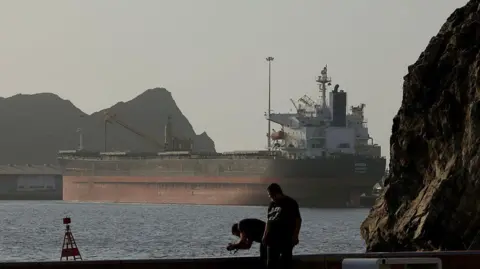
This was the first public briefing on intelligence since the commencement of the war in late February, following a statement from a leading counterterrorism figure about Iran's lack of imminent threat to the US. Gabbard, in her capacity overseeing intelligence operations, noted that the US had anticipated issues in the vital shipping route of the Strait of Hormuz.
The IC [intelligence community] assesses the regime in Iran appears to be intact, but largely degraded due to attacks on its leadership and military capabilities, Gabbard stated.
During her testimony, Gabbard rebuffed inquiries from Senator Jon Ossoff regarding whether she considered Iran an imminent threat, reiterating that such judgments are within the president's purview.
Amid rising questions surrounding the motives behind US military actions against Iran and the potential risks in the Strait of Hormuz highlighted by lawmakers, she confirmed that US airstrikes had severely impacted Iran's military forces.
Gabbard also cited continued Iranian non-compliance in nuclear agreements and noted recovery efforts were ongoing post-strikes in the region.
Earlier this week, Joe Kent, the director of the national counterterrorism center, resigned, emphasizing that Iran posed no imminent threat and criticizing Trump's decisions regarding military engagement.
CIA Director John Ratcliffe disagreed with Kent, asserting that Iran has consistently threatened the US and represented a current immediate threat. Gabbard claimed US and Israeli strikes had largely incapacitated Iran's military capabilities, despite Iran's ongoing efforts to recuperate from the extensive damage suffered during recent conflicts.
The discussion further guided lawmakers into inquiries about the tactical and strategic oversight of intelligence during Trump's escalation of military actions in the region, raising concerns about the accuracy of available threat assessments and the justification for military actions undertaken.
This was the first public briefing on intelligence since the commencement of the war in late February, following a statement from a leading counterterrorism figure about Iran's lack of imminent threat to the US. Gabbard, in her capacity overseeing intelligence operations, noted that the US had anticipated issues in the vital shipping route of the Strait of Hormuz.
The IC [intelligence community] assesses the regime in Iran appears to be intact, but largely degraded due to attacks on its leadership and military capabilities, Gabbard stated.
During her testimony, Gabbard rebuffed inquiries from Senator Jon Ossoff regarding whether she considered Iran an imminent threat, reiterating that such judgments are within the president's purview.
Amid rising questions surrounding the motives behind US military actions against Iran and the potential risks in the Strait of Hormuz highlighted by lawmakers, she confirmed that US airstrikes had severely impacted Iran's military forces.
Gabbard also cited continued Iranian non-compliance in nuclear agreements and noted recovery efforts were ongoing post-strikes in the region.
Earlier this week, Joe Kent, the director of the national counterterrorism center, resigned, emphasizing that Iran posed no imminent threat and criticizing Trump's decisions regarding military engagement.
CIA Director John Ratcliffe disagreed with Kent, asserting that Iran has consistently threatened the US and represented a current immediate threat. Gabbard claimed US and Israeli strikes had largely incapacitated Iran's military capabilities, despite Iran's ongoing efforts to recuperate from the extensive damage suffered during recent conflicts.
The discussion further guided lawmakers into inquiries about the tactical and strategic oversight of intelligence during Trump's escalation of military actions in the region, raising concerns about the accuracy of available threat assessments and the justification for military actions undertaken.